Army Secretary Driscoll resigns after months-long turf war with Hegseth

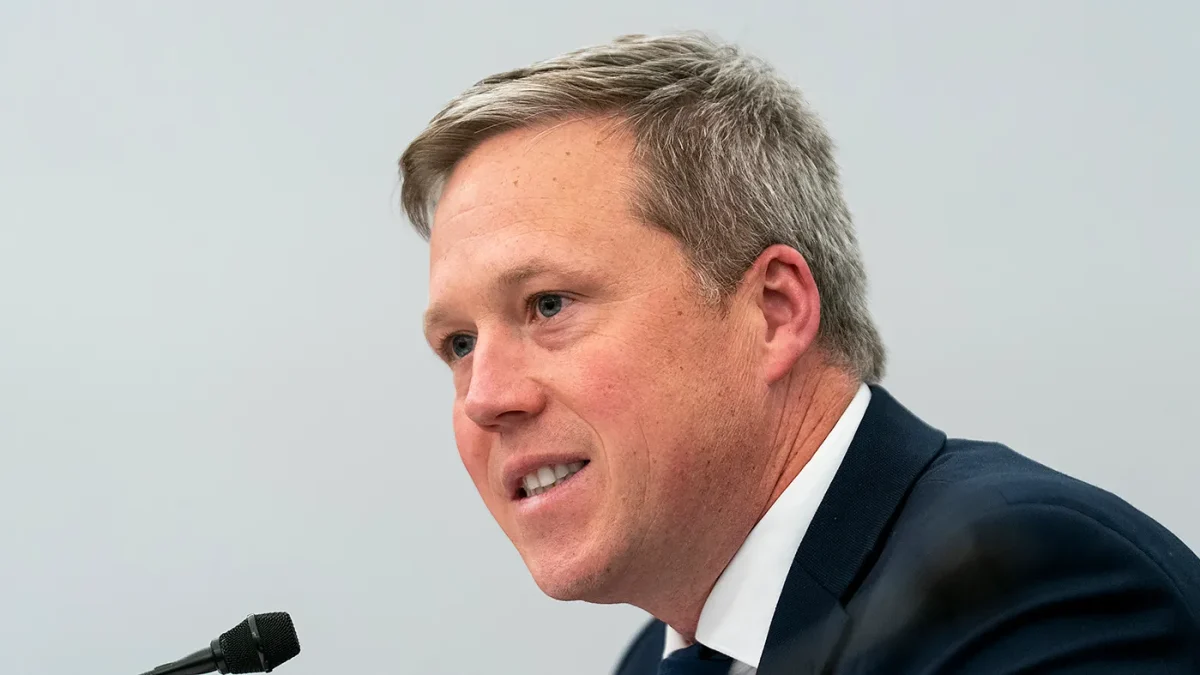
Table of Contents
Pentagon Power Struggle Ends as Army Secretary Driscoll Steps Down
Provpnadvice.com – The months-long internal conflict between the Army’s civilian leader and the Pentagon’s top brass has reached its conclusion. Dan Driscoll, who has served as Secretary of the Army under the Trump administration, will vacate his post within days. Two individuals familiar with internal deliberations confirmed that the split between Driscoll and Defense Secretary Pete Hegseth had become irreparable, forcing a departure that reshapes the command structure of America’s oldest military branch.
The resignation was formalized after Driscoll held a conversation with President Trump regarding what one insider described as the “current state” of the Army. That discussion, held on Monday, marked the final step in a process that had been building since the two men’s competing visions for the department collided over operational priorities, personnel decisions, and the scope of civilian authority within the Pentagon.
White House Praises the Outgoing Secretary
Administration officials moved quickly to frame the departure in positive terms. White House spokesperson Anna Kelly issued a statement lauding Driscoll’s tenure:
“Secretary Driscoll has been highly effective in advancing President Trump’s agenda to Make America Strong Again at the Department of the Army by providing outstanding leadership during historic military operations, restoring an emphasis on readiness and lethality, assisting with negotiations between Russia and Ukraine and more.”
Kelly continued:
“The United States Army is more powerful than ever thanks to his work alongside the Commander-in-Chief and Secretary of War.”
The language of the statement underscores how the White House sought to distance itself from the friction between Driscoll and Hegseth, presenting the resignation as a natural rotation rather than the culmination of a bitter institutional fight.
A Leadership Vacuum in the Army
Driscoll’s exit leaves the Department of the Army without a Senate-confirmed civilian secretary — a situation that raises questions about civilian oversight of a branch with roughly 480,000 active-duty personnel. In the interim, Gen. Christopher LaNeve, who occupies the role of acting chief of staff, becomes the de facto top military voice in the Army. LaNeve has held that position since Hegseth removed Gen. Randy George from the chief-of-staff seat in April, a decision that sent shockwaves through both military and congressional circles.
The leadership instability extends beyond the secretary’s office. Dave Fitzgerald, who serves as deputy under secretary of the Army, is expected to tender his own resignation during the current week, according to one person with knowledge of the matter. If both departures materialize, the Army’s civilian leadership bench will be nearly bare heading into the final stretch of the administration’s term.
Driscoll had maintained a close working relationship with Vice President JD Vance and had cultivated a similarly tight bond with George before the latter’s removal. Earlier discussions suggested Driscoll was willing to depart around the Labor Day holiday, but the White House pressed him to remain at least through the November midterm elections, a period when congressional dynamics could affect defense policy and appropriations.
The Broader Pattern of Hegseth’s Personnel Overhaul
The Driscoll-Hegseth confrontation did not occur in isolation. Since assuming command of the Pentagon, Hegseth has dismissed more than two dozen senior military officers, a sweeping purge that has unsettled the ranks and drawn criticism from members of Congress on both parties. Among those removed were officers with close ties to Driscoll, including Col. David Butler, who served as the Army secretary’s personal adviser and was ordered out in February.
The ouster of Gen. Randy George in early April proved particularly contentious. George had been a long-serving chief of staff, and his abrupt removal unnerved several Republican lawmakers who viewed the move as destabilizing. Adding to the churn, Gen. James Mingus, the Army’s vice chief of staff, retired in October, further thinning the senior leadership bench at a time when the service branch faces modernization challenges and ongoing operational demands.
Driscoll’s own tenure was marked by an aggressive push to modernize the Army’s equipment base, integrate lessons drawn from the Ukrainian military’s use of commercial technology in warfare, and improve quality-of-life conditions for enlisted personnel. Those priorities, however, frequently collided with Hegseth’s own operational and institutional agenda, and the two men’s influence battle flared publicly last year when the president tasked Driscoll with negotiating directly with Ukrainian officials toward ending the Russia-Ukraine conflict — a role that placed the Army secretary in a diplomatic lane Hegseth viewed as his own.
Who Comes Next?
With Driscoll’s departure imminent, Hegseth is reportedly weighing Sean Parnell as his successor. Parnell currently serves as one of the defense secretary’s senior advisers and also functions as the Pentagon’s chief spokesperson. Selecting Parnell would consolidate Hegseth’s inner circle at the head of the Army’s civilian leadership, a move that critics argue deepens the concentration of authority in a single office.
Any successor will face the standard Senate confirmation process, but the acting chief-of-staff question presents a distinct hurdle. LaNeve, should he be nominated for a permanent role, would require unanimous consent from Republican senators to clear the Senate Armed Services Committee. Lawmakers on both sides of the aisle have already voiced objections to his continued tenure in the acting capacity, complicating any rapid elevation.
The net effect of these departures and pending decisions is an Army entering the final months of the administration’s term with an unsettled civilian leadership, a depleted senior officer corps, and unresolved questions about who ultimately controls the branch’s strategic direction. For a service that has historically relied on stable, bipartisan civilian oversight, the turbulence of the past several months represents a departure from long-standing institutional norms — and one whose consequences will extend well beyond the current administration.
Related Reading
Frequently Asked Questions
What is Army Secretary Driscoll resigns after months?
Army Secretary Driscoll resigns after months is the main topic of this guide. The article explains the context, practical details, and next steps readers should understand.
Why does Army Secretary Driscoll resigns after months matter?
Army Secretary Driscoll resigns after months matters because readers are looking for a useful answer, not just a short summary. Good content should match search intent and help them decide what to do next.