Trump claims he will meet with Kim Jong Un, North Korea has 57 nukes

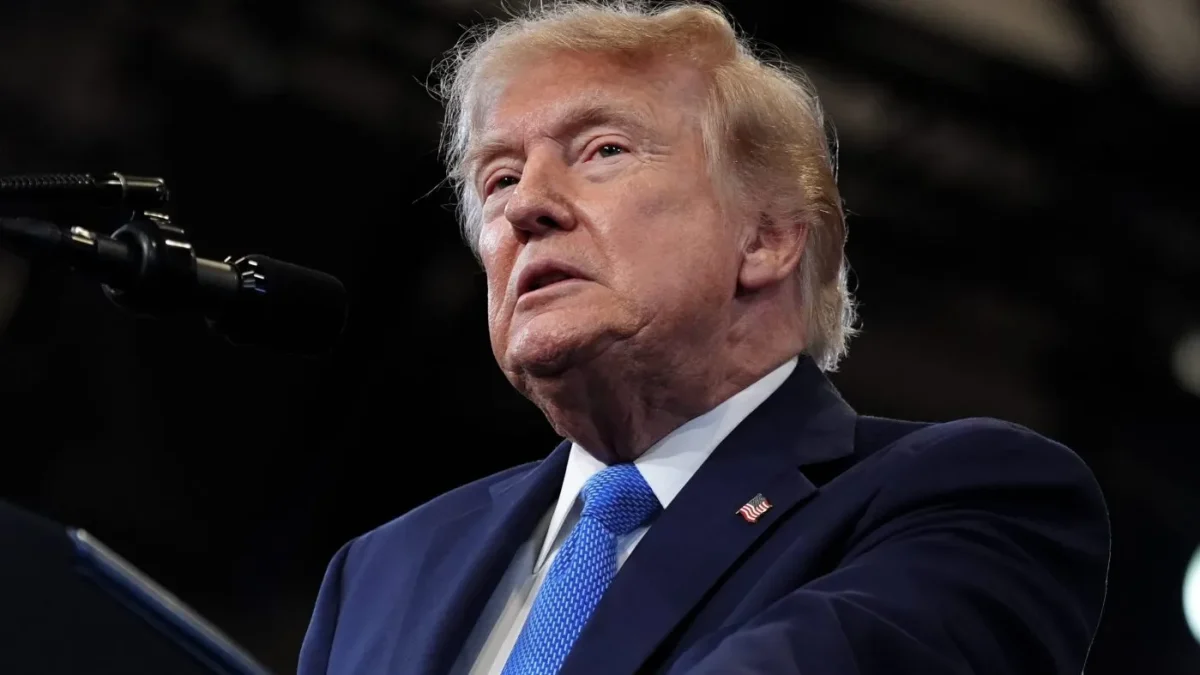
Table of Contents
Trump Announces Intent to Meet Kim Jong Un, Cites North Korea’s 57-Nuclear Arsenal
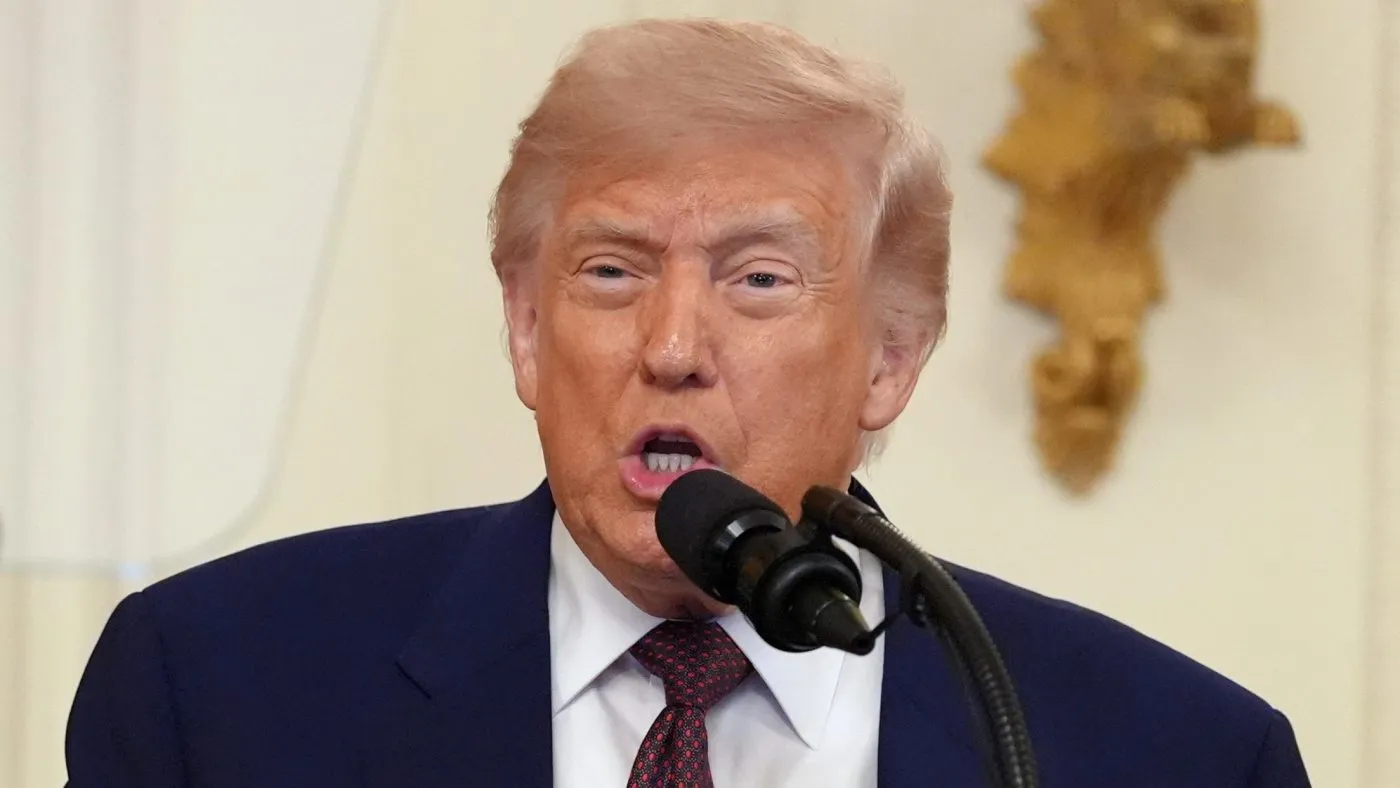
Provpnadvice.com – Speaking at a White House event, President Donald Trump declared his intention to sit down with North Korean leader Kim Jong Un sometime this year, while simultaneously drawing attention to what he described as Pyongyang’s substantial nuclear stockpile. The president’s remarks, delivered without any accompanying schedule, venue, or diplomatic framework, left observers uncertain about whether a concrete plan exists behind the statement.
“The fact that I get along with him, that’s a good thing, not a bad thing. He has 57 very powerful nuclear weapons.”
Trump went further, expressing regret over the buildup itself. In his telling, the accumulation of warheads by the isolated regime represented a failure of earlier leadership that he personally would have prevented.
“Should’ve never allowed it to happen. They should’ve never allowed it, if I were president, I wouldn’t have allowed it. But he’s got them. I get along with him very well.”
Pyongyang’s Unchanged Posture
The president’s overture arrived against a backdrop of diplomatic silence from the North. Kim Yo Jong, the younger sister of Kim Jong Un and a senior figure in the Workers’ Party, stated on Wednesday that North Korea’s fundamental position toward Washington had not shifted. Her comments, carried by The Wall Street Journal, suggested that the regime views the American overture without altering its own strategic calculus.
This disconnect between the White House’s public enthusiasm and Pyongyang’s measured silence echoes patterns from the previous administration cycle, where Trump’s personal rapport with Kim produced headlines but yielded little in the way of verifiable concessions on the peninsula’s nuclear program.
The Exercise Reduction Signal
Days before his White House remarks, Trump took to Truth Social on Sunday to announce that he had instructed Defense Secretary Pete Hegseth to “substantially reduce” the annual joint military drills conducted alongside South Korea. The president framed the decision in two linked arguments: first, that Seoul had declined to assist American military operations in Iran, and second, that he maintained a cordial personal relationship with Kim that made large-scale drills unnecessary.
“These exercises are not only costly, with much of these costs paid for by the United States of America (as usual!), but send a signal that is totally inappropriate and hostile, to a Country that, as long as Donald J. Trump has been President, has been unthreatening and respectful.”
The annual U.S.-South Korea drills, typically conducted across spring and summer months, represent one of the largest combined military exercises in the Asia-Pacific region. They serve to rehearse integrated command structures, test interoperability between the two forces, and project a visible deterrent posture toward regional threats. Scaling them back would represent a tangible shift in alliance posture, one that South Korean officials and regional analysts have long watched for signs of.
What Came Before: The 2018 Summit and Its Aftermath
Trump’s current overture recalls his first-term encounter with Kim in 2018, a meeting that had been preceded by his own rhetoric threatening “fire and fury” should Pyongyang continue provocative ballistic-missile testing. That summit — the first-ever face-to-face meeting between a sitting American president and a North Korean leader — produced a joint statement in which both sides pledged, among other commitments, to work toward the denuclearization of the Korean Peninsula.
In the months that followed, Trump repeatedly invoked his personal friendship with Kim in public appearances. Yet North Korea continued advancing its nuclear and missile programs, and by 2019 the diplomatic architecture built around the summit had collapsed. No further summits took place, and the two governments reverted to a posture of mutual suspicion punctuated by occasional rhetorical exchanges.
Broader Regional Context
The president’s comments land amid a wider web of tensions across the Middle East and Asia-Pacific. In the Gulf, the United Arab Emirates announced on Tuesday that it would sever trade ties with Iran after accusing Tehran of firing two missiles toward Emirati territory. Afra Al Hameli, director of the UAE’s Ministry of Foreign Affairs Strategic Communications Department, stated that “in the light of regional escalations that undermine regional and international peace and security, all trade, commercial exchanges, and financial transactions with Iran” would be suspended.
Meanwhile, a U.S. Air Force C-17 Globemaster aircraft flying from Christchurch, New Zealand, toward Antarctica was forced to turn back less than three hours after departure on Tuesday. The aircraft, operating under call sign ICE28, returned to Christchurch after New Zealand’s Civil Aviation Authority issued a Notice to Airmen warning of “potentially hazardous” space activity in the flight corridor.
On the domestic front, Democratic Senator Elissa Slotkin of Michigan sent letters on Monday to Hegseth and General Dan Caine, chair of the Joint Chiefs of Staff, requesting written confirmation that no federal troops would be deployed to polling places this election cycle and that no election materials would be seized by military personnel.
In military-media circles, Max Lederer, who has served in some capacity at Stars and Stripes since 1992 and held the publisher role since 2007, announced his retirement effective September 30. He cited disagreements over how the Pentagon is directing coverage at the outlet under the current administration. Lederer was only the second full-time civilian to occupy the publisher’s chair in the newspaper’s history.
For now, the question hanging over the North Korean question remains the same one that has persisted since 2018: whether personal chemistry between two leaders can substitute for institutional verification, and whether a stated intention to meet translates into a verifiable step toward reducing the 57 warheads Trump himself counted.
Related Reading
Frequently Asked Questions
What is Trump claims he will meet?
Trump claims he will meet is the main topic of this guide. The article explains the context, practical details, and next steps readers should understand.
Why does Trump claims he will meet matter?
Trump claims he will meet matters because readers are looking for a useful answer, not just a short summary. Good content should match search intent and help them decide what to do next.