Pentagon picks Poland for new missile maintenance facility

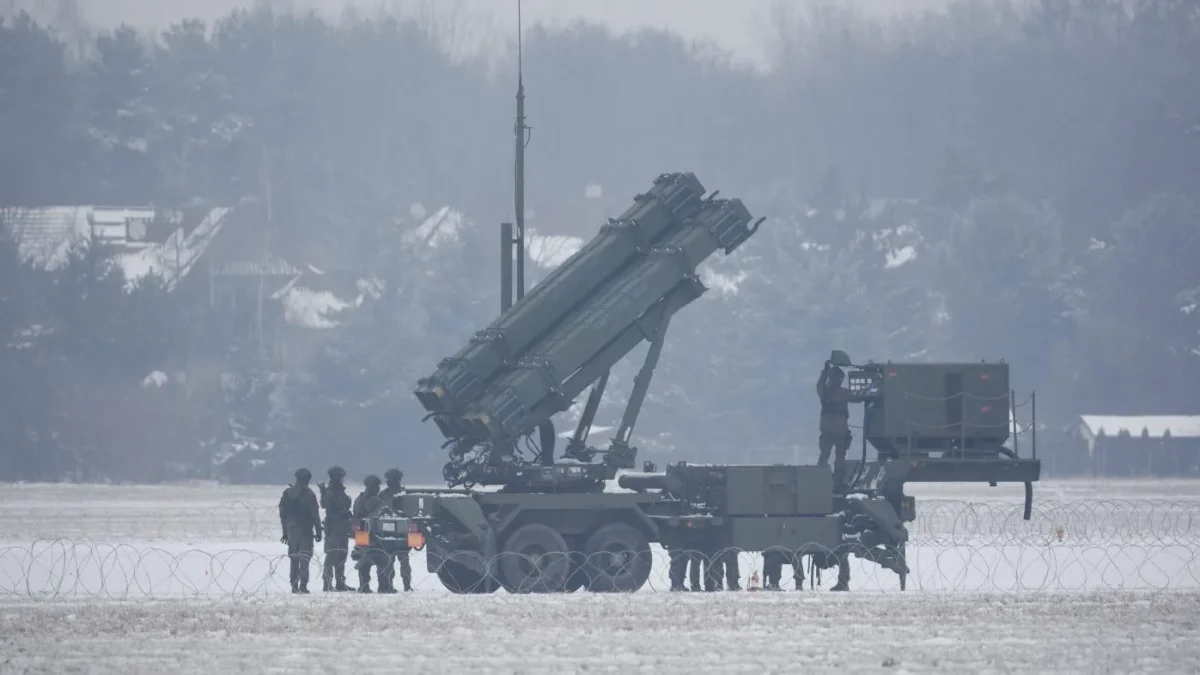
Table of Contents
Poland Chosen for Patriot Missile Maintenance Hub on NATO’s Eastern Flank
Provpnadvice.com – The Pentagon has selected Poland as the location for a new maintenance center serving Lockheed Martin’s Patriot missile interceptors, adding a major sustainment capability closer to NATO’s eastern frontier.
The facility will handle maintenance, repairs and overhauls for PAC-3 missiles, which are used in Patriot air and missile defense systems. By placing those services in Poland, allied forces could gain faster access to technical support for interceptor inventories used to defend against aircraft, cruise missiles and certain ballistic missile threats.
A Sustainment Role for Poland
The decision reflects Poland’s continuing expansion of its defense industrial capacity and its central position in NATO’s security planning. The maintenance missile facility, known as an MMF, is intended to strengthen the readiness of allied air and missile defense forces by ensuring that PAC-3 interceptors can be serviced without relying solely on facilities farther from the alliance’s eastern edge.
Interceptor missiles are not simply stored and fired; they require inspection, repair and long-term upkeep to remain dependable. A regional maintenance site can help reduce the time required to return missiles to service, support supply-chain resilience and improve the availability of systems operated by NATO partners.
U.S. Ambassador to Poland Tom Rose said Poland’s proposal and its defense investments helped secure the opportunity.
“Poland earned this opportunity through its strong proposal, eagerness to expand its defense industrial capabilities and willingness to invest in its own defense,” Rose said Tuesday.
Rose added that the project would increase essential maintenance capacity while reinforcing supply chains viewed as reliable by the United States and its allies.
“The MMF facility will expand critical maintenance capacity and reinforce trusted supply chains.”
Readiness and Deterrence
Defense officials framed the announcement as an investment in collective deterrence. The Patriot system has become one of the best-known elements of Western air defense assistance, and PAC-3 interceptors are a critical component of its capability against incoming missile threats.
Michael P. Duffey, the under secretary of Defense for Acquisition and Sustainment, said the center would demonstrate practical cooperation among NATO members.
“Delivering for warfighters—anytime, anywhere—is how we deter our adversaries and strengthen collective defense,” Duffey said.
He described the Poland-based sustainment effort as a signal of allied unity and readiness.
“Today’s announcement puts partnership into action,” Duffey added. “By investing national resources to establish this critical sustainment capability on NATO’s Eastern Front, Allies are sending a clear message: the Alliance is united, serious about deterrence and ready to back our words with action.”
The location carries strategic importance because Poland borders Ukraine and Belarus and lies near NATO’s northeastern defense zone. A maintenance center there would not alter the defensive mission of Patriot systems, but it would give participating countries a closer industrial base for sustaining equipment that is central to regional air defense.
Pressure on Interceptor Inventories
The project arrives during a period of high demand for missile interceptors. The war between Russia and Ukraine has placed sustained pressure on air defense stocks, while the U.S.-Israel conflict involving Iran has also drawn heavily on interceptor supplies. Those demands have contributed to delays and heightened concern about replenishing inventories.
For military planners, production alone is not the full answer to an interceptor shortage. Missiles already held by allied forces must remain usable, and that requires a durable network of trained personnel, facilities, replacement parts and secure transportation. The Polish center is designed to address that broader maintenance challenge for PAC-3 missiles.
The initiative also illustrates how modern defense partnerships increasingly extend beyond weapons purchases. Countries that acquire advanced systems must build the ability to operate, service and sustain them over many years. Local maintenance capacity can support that goal while deepening cooperation between governments, armed forces and defense companies.
As NATO members adapt to a more demanding security environment, air and missile defense remains a prominent priority. The new Polish facility is expected to contribute to that effort by supporting missile readiness, strengthening logistical links and giving allied forces an additional sustainment resource on the alliance’s eastern flank.
Related Reading
Frequently Asked Questions
What is Pentagon picks Poland for new missile?
Pentagon picks Poland for new missile is the main topic of this guide. The article explains the context, practical details, and next steps readers should understand.
Why does Pentagon picks Poland for new missile matter?
Pentagon picks Poland for new missile matters because readers are looking for a useful answer, not just a short summary. Good content should match search intent and help them decide what to do next.