Washington National Opera sues, says Kennedy Center owes it $17M

Washington National Opera Files Lawsuit Against Kennedy Center Over $17 Million in Donations
Provpnadvice.com – The Washington National Opera (WNO) has initiated legal action, asserting that the Kennedy Center owes the organization over $17 million in unpaid donations. The filing, made on Thursday, centers on the dispute arising after the two entities parted ways earlier this year. According to the lawsuit, the Kennedy Center retained funds that were explicitly intended to support the opera’s operations and initiatives. This financial disagreement has led the WNO to seek judicial intervention to reclaim what it claims is rightfully its own.
Legal Basis and Federal Involvement
In its legal argument, the WNO emphasized the Kennedy Center’s designation as a federally chartered institution and its affiliation with the Smithsonian Institution. These factors, the opera stated, justify its claim that the center should return the monies it has held for years. The lawsuit also lists the federal government as a defendant, suggesting that the dispute has broader implications beyond the immediate partnership. This move may indicate a strategic effort to leverage the center’s institutional status in favor of the opera’s cause.
“The funds currently under the Kennedy Center’s control are the result of sustained generosity from WNO supporters who clearly intended to advance the opera’s mission,” the organization noted in its court documents. The filing underscores the importance of these donations, which were meant to sustain artistic endeavors, public performances, and educational programs that have been central to the WNO’s operations for decades. The trust placed in the Kennedy Center by these donors is a key point in the WNO’s argument.
Termination of Partnership and Financial Context
The WNO’s decision to end its collaboration with the Kennedy Center was announced in January, citing a “financially challenging relationship” as the primary reason. Under their previous agreement, the center managed all contributions made to the opera for the past 15 years. This arrangement allowed the Kennedy Center to oversee the flow of donations, but the WNO now claims it has not fulfilled its obligations. The termination of the partnership marks a significant shift in the relationship between the two organizations.
According to the lawsuit, the WNO has made every effort to resolve the matter amicably. Officials stated that they “diligently sought to resolve” the dispute, but the Kennedy Center refused to engage in mediation. This lack of cooperation has forced the opera to pursue legal action. The filing highlights the frustration of the WNO, which argues that the funds in question are essential for continuing its work and maintaining its artistic integrity.
Response from Kennedy Center
Roma Daravi, the vice president of public relations at the Kennedy Center, dismissed the lawsuit’s claims as “meritless” in a statement to The Hill. She stated that the organization plans to file a countersuit to address the WNO’s allegations. “The exclusive WNO contract financially burdened the Center for over a decade,” Daravi explained. She cited calculations by BDO, a financial firm, which estimated that the WNO had created a $72 million deficit for the center between 2011 and 2026.
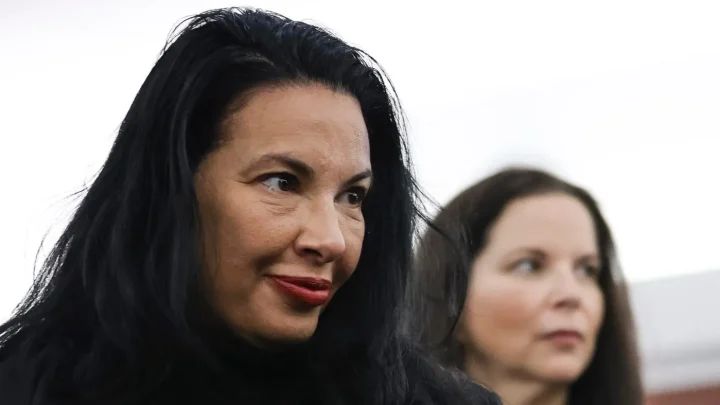
Daravi further accused the WNO of not engaging in “good-faith discussions” and criticized its director, Francesca Zambello, for undermining coordination between the two entities. “The Center has acted transparently and in the best interests of the public throughout this process,” she added, emphasizing the organization’s commitment to accountability. This defense positions the Kennedy Center as the aggrieved party, arguing that the financial burden was mutual and that the WNO’s actions have caused significant harm.
Historical Connection and Trump’s Influence
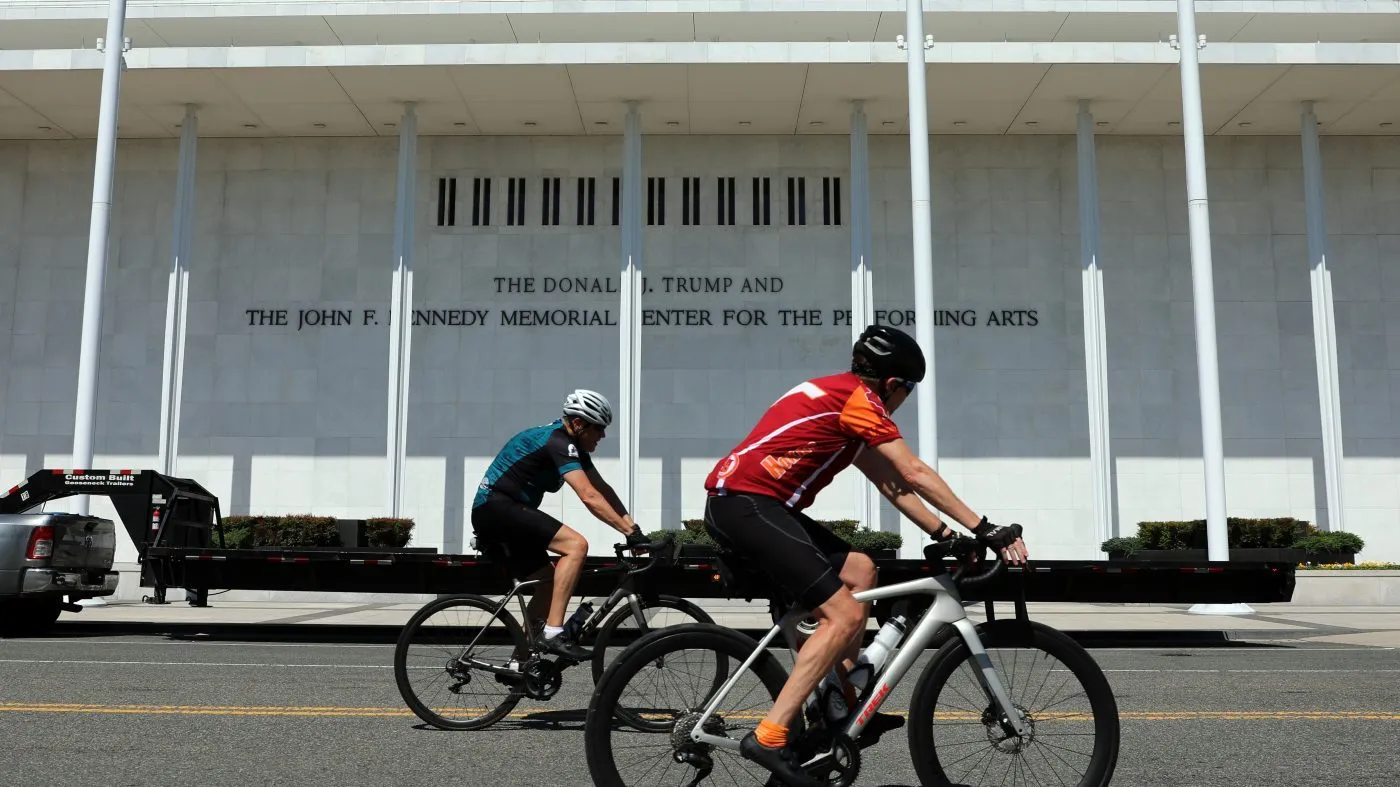
The WNO has been a regular performer at the Kennedy Center for five decades, establishing a long-standing partnership that has shaped the cultural landscape of the nation’s capital. However, the recent termination of the contract occurred amid a broader shift in the venue’s direction under President Trump’s administration. The president’s decision to rename the building in his honor and initiate a major renovation project has sparked controversy, with several artists choosing to withdraw from the venue. This backdrop of political and artistic tension likely influenced the WNO’s decision to sever ties.
Despite the ongoing dispute, the Kennedy Center has continued to implement Trump’s vision for the space. The board recently appealed a decision to remove his name from the building’s exterior, a move that reflects the institution’s alignment with the administration’s policies. While references to Trump have been stripped from the center’s website, YouTube account, and formal event invitations, his name remains prominent on several of the venue’s social media platforms. This symbolic presence underscores the political dimension of the conflict and raises questions about the role of public institutions in reflecting governmental priorities.
Implications for the Future
The lawsuit has intensified the debate over the responsibilities of federally funded organizations and their partnerships with private entities. For the WNO, the case represents a fight to maintain financial stability and continue its cultural contributions. The return of the $17 million is framed as critical to sustaining its operations and fulfilling its mission. Meanwhile, the Kennedy Center’s countersuit suggests it believes the WNO has overextended its financial obligations and failed to uphold its commitments.
As the legal proceedings unfold, both parties will need to present compelling arguments to support their positions. The WNO’s case hinges on the Kennedy Center’s failure to return funds, while the center’s defense relies on its financial records and the opera’s past behavior. The outcome could have far-reaching consequences for how public and private organizations navigate their partnerships and allocate resources. For now, the dispute serves as a reminder of the complex interplay between art, politics, and finance in the cultural sector.