Trump administration asks judge to halt first reparations program for Black people in US


Trump administration seeks to block pioneering reparations initiative for Black residents
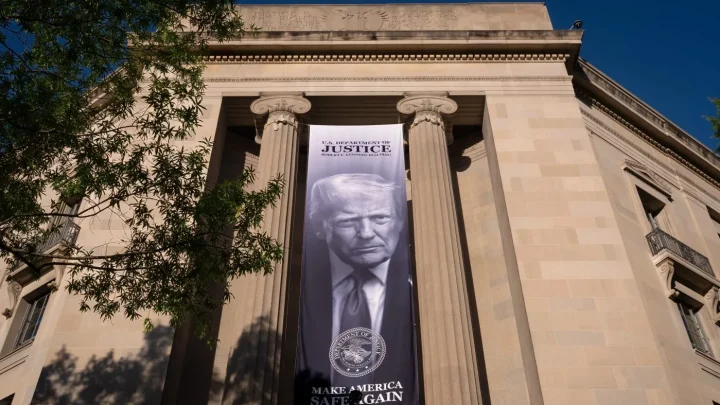
Provpnadvice.com – The U.S. Department of Justice has filed a motion to suspend a groundbreaking reparations program in Evanston, Illinois, which targets historical housing discrimination against Black communities. The initiative, launched by the city in 2021, has become the subject of legal scrutiny as federal officials argue it violates constitutional principles and federal housing laws. This dispute marks a critical moment in the ongoing debate over how to address systemic inequities rooted in the city’s past policies.
A Bold Step in Addressing Racial Injustice
Evanston’s Reparations Housing Program, introduced in 2021, is designed to provide financial support to families affected by discriminatory practices that persisted in the city from 1919 to 1969. The program allocates up to $25,000 in grants to eligible households, which can be used for down payments, home repairs, or offsetting financial burdens associated with property ownership. This effort aims to rectify historical harms by targeting those who can demonstrate a direct link to exclusionary housing policies during that era.
The initiative’s funding comes from a unique source: $10 million in revenue generated from cannabis sales taxes in 2019. City officials argue that this allocation reflects a commitment to reparative justice, leveraging modern financial mechanisms to address the legacies of segregation. By focusing on the specific period of 1919–1969, the program aligns with a broader historical narrative of racial disparities in housing access, which were institutionalized through redlining, discriminatory lending, and restrictive zoning laws.
Legal Arguments Over Race-Based Distribution
The Justice Department has accused Evanston of implementing a program that disproportionately benefits individuals based on race, claiming it infringes on the Equal Protection Clause of the 14th Amendment. According to the department, the program’s reliance on racial categories for distributing public funds makes it unconstitutional, as it fails to meet the criteria of narrowly tailored remedies for past discrimination.
Under the Fair Housing Act, the DOJ asserts that the city’s approach to reparations does not sufficiently address targeted instances of historical injustice. Instead, the department argues the program’s design creates a form of contemporary racial bias by awarding benefits solely based on heritage rather than individual hardship. This stance has drawn sharp criticism from advocates who view the initiative as a vital step toward redressing systemic inequities that have shaped Black communities for decades.
“There are sound ways for a city to remedy past discrimination or direct resources to its most vulnerable citizens and neighborhoods,” said Harmeet K. Dhillon, head of the DOJ’s Civil Rights Division. “But simply handing out money based on race is not the answer. It is race discrimination, pure and simple. And it is illegal.”
The Plaintiffs’ Case and Judicial Response
A group of residents whose ancestors were impacted by Evanston’s discriminatory practices during the 1919–1969 period but do not identify as Black or African American has challenged the program in federal court. They argue that the reparations policy unfairly excludes non-Black descendants from benefits, despite their historical ties to the city’s racial injustices. The lawsuit, filed in 2024, has sparked a legal battle over the scope of reparative justice and the use of race as a criterion in public funding.
In March 2024, a federal judge in Illinois rejected the city’s request to dismiss the case, allowing the dispute to proceed. The judge’s decision highlights the program’s significance as a test case for race-conscious remedies in the context of housing discrimination. Meanwhile, the Justice Department has emphasized its role in the matter, launching an investigation into the program shortly after the lawsuit was filed. Officials allege the city has been uncooperative in providing necessary documentation to support its claims of constitutionality.
Evanston’s Defense and the Path Forward
Evanston Mayor Daniel Biss, a Democrat, has defended the program as a pioneering effort to confront historical racial inequities. In a recent statement to Evanston Now, he noted the city is currently reviewing the DOJ’s legal arguments and remains committed to its reparations initiative. “We stand behind our first-in-the-nation reparations program, are confident in its constitutionality, and look forward to defending it in court,” he said.
Supporters of the program view it as a necessary response to decades of racial exclusion, arguing that race remains a relevant factor in addressing lingering disparities. They contend that the city’s focus on historical harm aligns with the goals of the Fair Housing Act, which seeks to dismantle the structural barriers that persist even after overt discrimination was outlawed. However, opponents maintain that the program sets a dangerous precedent by equating race with eligibility, potentially undermining the principle of equal treatment under the law.
The case has drawn national attention, with legal experts debating the balance between rectifying historical injustices and ensuring fair application of modern laws. While the DOJ’s intervention underscores the federal government’s role in safeguarding civil rights, Evanston’s program represents a local government’s attempt to take direct action in closing the gap created by centuries of systemic racism. The outcome of this legal challenge could have far-reaching implications for similar initiatives across the country.
As the debate intensifies, the program serves as a microcosm of the broader conversation about reparations. It raises questions about how to measure and address the long-term effects of discrimination, as well as the role of race in shaping policy outcomes. For Evanston, the stakes are high: the success of this initiative could redefine the city’s approach to equity and justice, while its failure might signal a setback for reparative efforts in the United States.
With the federal government’s involvement and the city’s resolve to defend its program, the case promises to be a defining moment in the legal and social discourse surrounding reparations. As courts weigh the arguments, the question remains: can race-conscious policies be both just and legally sound in the pursuit of racial equity? The answer may shape the future of reparations for generations to come.