Louisiana high court issues stay in case against Attorney General Liz Murrill

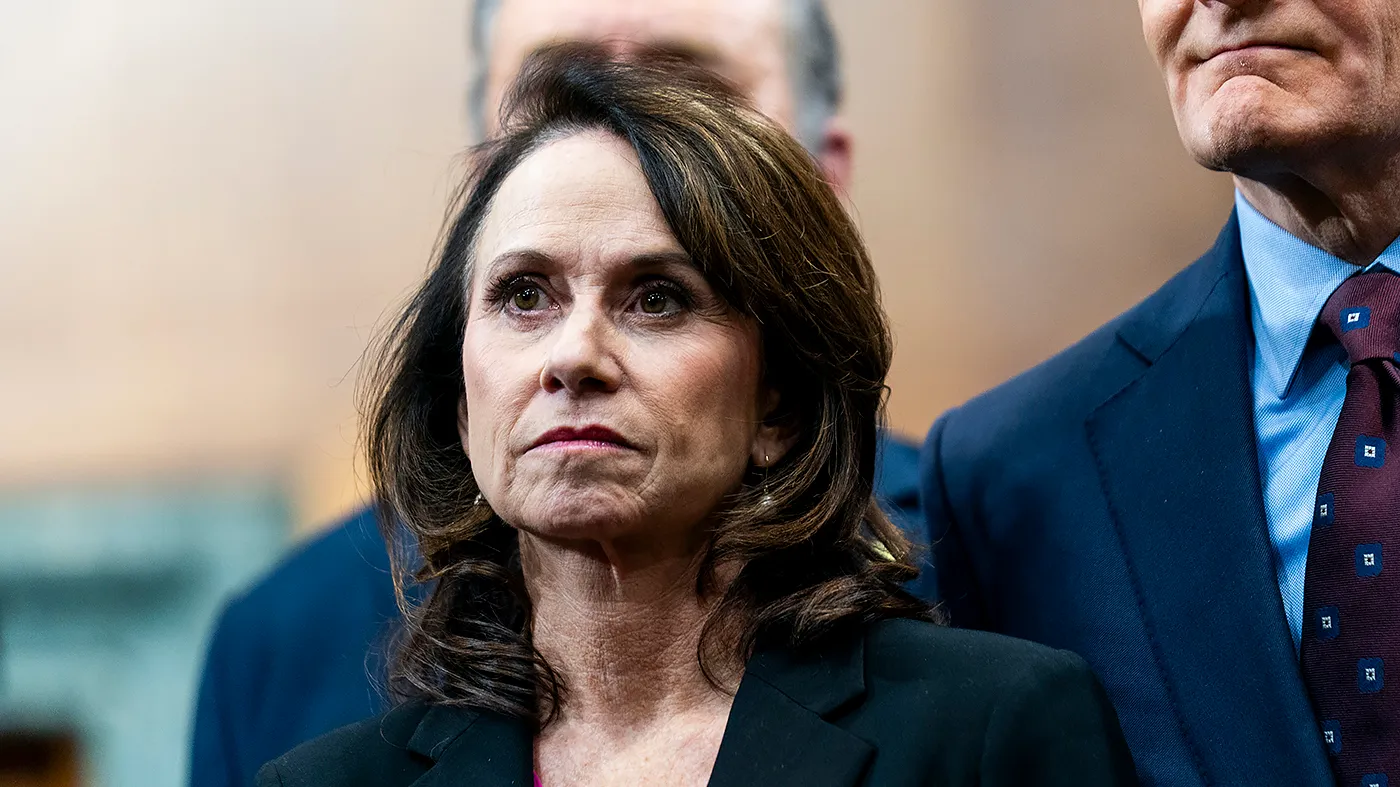
Louisiana High Court Halts Criminal Proceedings Against Attorney General Liz Murrill
Provpnadvice.com – On Friday morning, the Louisiana Supreme Court granted a temporary halt to the indictment against state Attorney General Liz Murrill (R), following a request from her legal team. This decision came just hours after a New Orleans grand jury had returned the charges, setting the stage for a legal showdown. The court’s action, known as a stay, paused the criminal process, allowing Murrill to challenge the validity of the allegations before they proceed further.
The indictment accuses Murrill of 16 counts of malfeasance in office and intimidation. These charges stem from letters she allegedly sent to New Orleans officials in May, in which she warned them that their positions were threatened if they opposed a new legislative initiative. The law in question, introduced by Louisiana Governor Jeff Landry (R), aimed to merge the city’s criminal and district clerks of court, effectively eliminating the role of the Orleans Parish Criminal District Clerk of Court. This position, which would have been held by newly elected Calvin Duncan (D), was central to the dispute.
The legal battle intensified when a warrant for Murrill’s arrest was issued on Thursday. Her bond was subsequently set at $400,000, marking a significant step in the prosecution’s case. However, the Louisiana Supreme Court intervened, citing concerns over the integrity of the proceedings. The court considered several arguments, including the potential for conflicts of interest involving Laurie White, the special prosecutor leading the case. White had previously represented Duncan, raising questions about her impartiality in the current investigation.
In its ruling, the state Supreme Court highlighted the procedural irregularities that had emerged during the grand jury process. The court noted that journalists had been “handcuffed and removed” from the proceedings, which state law mandates to take place “in open court.” This action, the court argued, undermined the transparency and fairness of the legal process, potentially biasing the outcome. The decision to issue the stay emphasized the need for further examination of these issues before the case could move forward.
“While the record before this Court is undeveloped, there is considerable support for the view that the Attorney General is likely to succeed on the merits of a motion to quash this indictment on either a legal basis or due to apparent procedural irregularities,” the state Supreme Court stated in its ruling.
The court also acknowledged the “disturbing defects” in the grand jury proceedings, as well as the handling of those proceedings by the trial court. According to the ruling, the indictment appears to “turn the law on its head,” with its foundation seemingly rooted in “extraordinary procedural defects and improprieties.” This characterization suggests that the legal team for Murrill may have uncovered significant flaws in the way the charges were presented and processed.
Murrill expressed her appreciation for the court’s decision, calling it a swift and necessary response to what she described as a “political witch hunt.” In a statement, she said, “I hope this political witch hunt is not a harbinger of things to come, but I fear that it is.” Murrill argued that the charges were being used as a tool to target her, with the laws of malfeasance and public intimidation serving as political weapons rather than just legal instruments.
“Neither the grand jury investigation law nor the public intimidation law was intended to be used as a political weapon by a rogue, biased, vindictive special prosecutor, judge, and grand jury. I hope the legislature in the future will ensure this cannot happen again,” she added.
The case has drawn attention to the broader implications of how legal processes are managed in high-profile political cases. Murrill’s legal team plans to file motions to dismiss the charges, seeking to demonstrate that the indictment lacks solid legal grounds. This move could lead to a reevaluation of the evidence and the procedural steps taken to build the case against her.
Support for Murrill has come from unexpected quarters, including Governor Jeff Landry. Landry publicly criticized the indictments, stating that they were politically motivated and ordered state police to investigate any alleged misconduct by the grand jury and the prosecutors involved. The governor also hinted at his willingness to pardon Murrill if she were found guilty, underscoring the political stakes of the case.
As the legal battle unfolds, the Louisiana Supreme Court’s decision to issue the stay has provided Murrill with a critical window to defend herself. The ruling raises important questions about the balance between political accountability and judicial fairness, as well as the role of special prosecutors in shaping the outcome of such cases. With the proceedings on hold, the focus shifts to whether the charges can withstand scrutiny and whether the procedural lapses cited by the court will lead to a broader reform of the legal process.