Judge blocks Democrats’ redistricting push in Maryland

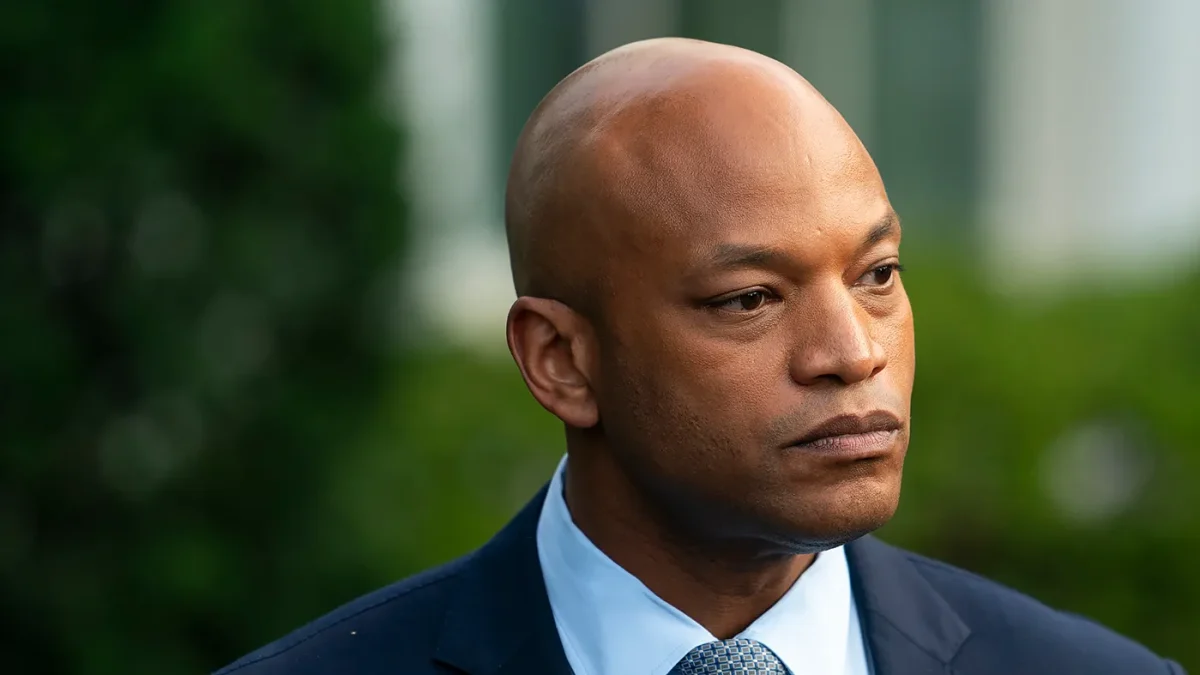
Table of Contents
Maryland Court Halts Democratic Redistricting Amendment Before It Reaches Voters
Provpnadvice.com – A state judge in Maryland has thrown a major obstacle into the path of a Democratic-backed effort to reshape the state’s congressional map, ruling that the language of a proposed constitutional amendment was so flawed it could not appear on the ballot. The decision, handed down Wednesday, represents the latest chapter in a years-long legal battle over how Maryland’s eight congressional districts are drawn — and it lands at a moment when both parties are scrambling to lock in advantages ahead of the 2026 midterms.
The Ruling and Its Immediate Effect
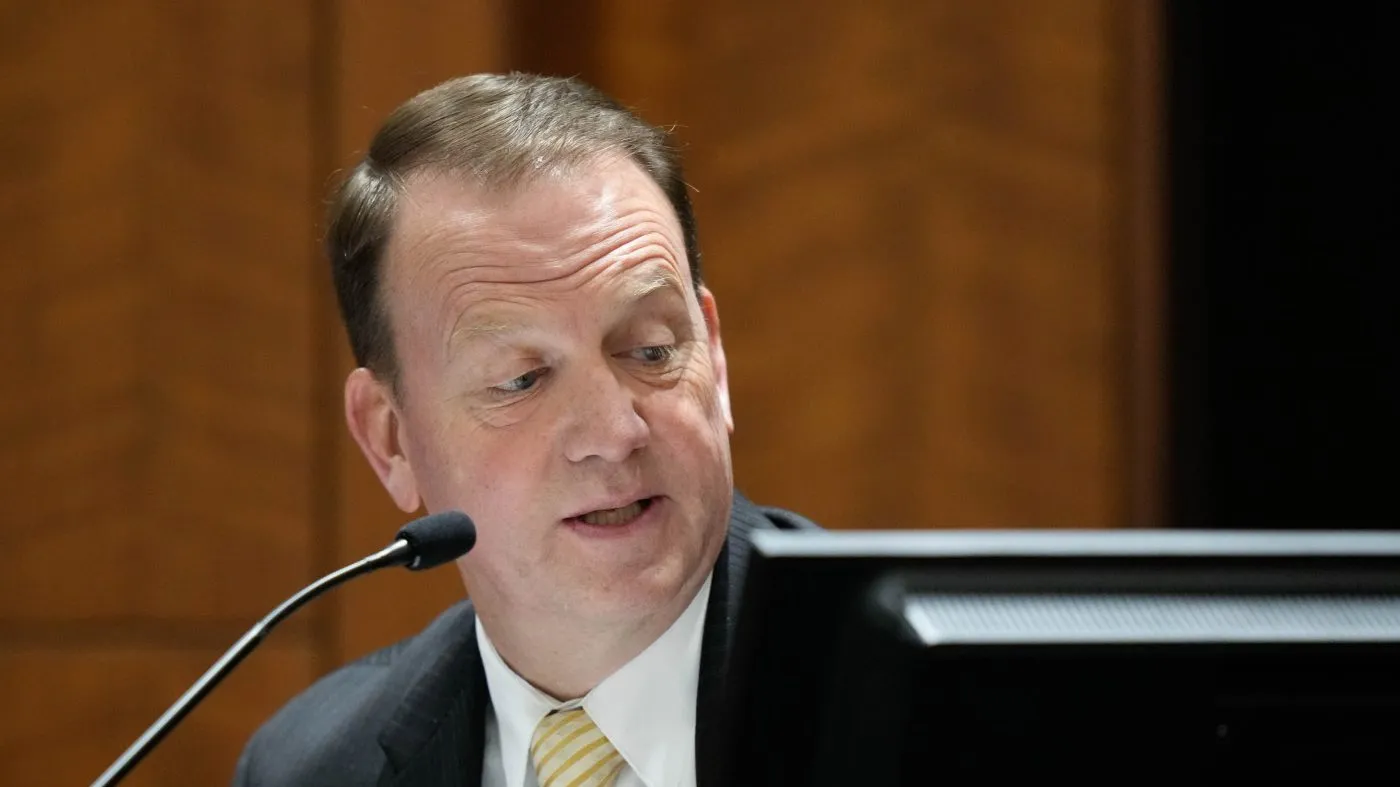
Judge Robert Thompson issued an injunction barring the Maryland State Board of Elections from placing what would have been Ballot Question 3 on the November 3, 2026 general election ballot. Thompson’s order targets House Bill 2100, a measure signed into law by Governor Wes Moore (D) on August 5 that sought to put a constitutional amendment before voters. The amendment, in broad strokes, would have “clarified” the standards governing how congressional districts are drawn in the Old Line State.
Thompson did not merely find the bill procedurally defective. He went further, declaring that portions of the ballot question’s wording were
“intentionally misleading, and this should disqualify the ballot question as currently written.”
The judge added that the court had no alternative but to block the measure from appearing on the ballot.
What the Bill Would Have Changed
At its core, H.B. 2100 proposed a constitutional requirement that every congressional legislative district conform to “natural boundaries and the boundaries of political subdivisions.” In practical terms, that language would have constrained future mapmakers to follow rivers, county lines, and other existing geographic or political borders rather than drawing districts along arbitrary lines. Proponents framed the change as a transparency and accountability measure, arguing that voters deserve districts whose shapes can be explained in plain geographic terms.
Critics, however, saw the timing and scope of the proposal as a workaround. When the bill cleared the General Assembly with a supermajority vote, minority Republican lawmakers objected publicly, arguing that the measure was designed to circumvent a 2022 court ruling that had already invalidated a prior Democratic redistricting plan in the state. That earlier decision had struck down a map drawn after the 2020 census, setting a precedent that any new map had to meet constitutional standards already in place. The 2026 amendment, opponents contended, would have rewritten those standards retroactively to bless a map that might otherwise fail judicial review.
Legal Challenges and Political Reactions
Two lawsuits were filed against the bill after its passage. One came from the Maryland Freedom Caucus, a conservative advocacy organization that has been active in state legislative and judicial fights over electoral rules. The group took to social media Wednesday to celebrate Thompson’s ruling.
State Delegate Matt Morgan (R), a prominent voice among Maryland Republicans, issued a pointed statement:
“Today the court made clear that three-fifths of the vote doesn’t buy you an exemption from the rules you wrote yourself. Maryland doesn’t answer to kings, and it doesn’t answer to a legislature that thinks it’s one.”
The supermajority threshold Morgan referenced — three-fifths of both chambers — is the constitutional bar Maryland sets for amendments proposed by the General Assembly. His argument was that meeting that vote count does not immunize a measure from ordinary constitutional scrutiny, particularly when the text itself is deemed misleading.
Broader National Stakes
The Maryland fight is not an isolated dispute. It sits inside a nationwide contest over congressional seat allocation as the 2026 midterms draw closer. Redistricting, which traditionally occurs once every ten years following the decennial census, has become a far more frequent and contentious process in recent cycles, with states on both sides of the aisle attempting to adjust maps mid-decade through legislation, court orders, or ballot measures.
For Democrats, the arithmetic in the Senate is unforgiving. To flip the GOP’s narrow majority in the upper chamber this fall, they would need to win fewer than five of the contested seats — a margin so thin that every marginal district, including those in states like Maryland, carries outsized weight. That reality raises the stakes for any redistricting maneuver that could shift even a single seat.
Maryland currently sends seven Democrats and one Republican to the House. The map in question, drawn after the 2020 census and later challenged in court, produced that lopsided result. The amendment blocked by Thompson would have, among other things, constrained how future maps could be drawn, potentially limiting the ability of whichever party controls the General Assembly to engineer favorable configurations in the next cycle.
What Happens Next
Thompson specified that his injunction remains in effect pending an immediate appeal to the Supreme Court of Maryland, the state’s highest court. The governor’s office and legislative Democrats have not yet indicated whether they will pursue that appeal, though the judge’s language suggests the question will return to the bench quickly. If the state’s top court upholds the injunction, Ballot Question 3 disappears from the November 2026 ballot entirely, and the existing district map — along with whatever judicial constraints attach to it — remains the operative framework for the next congressional election.
For voters in Maryland, the practical consequence is straightforward: they will not get a chance to weigh in on the proposed constitutional language this fall. The question of how congressional districts are drawn in the state will continue to be settled in courtrooms rather than at the ballot box, at least for the time being.
Related Reading
Frequently Asked Questions
What is Judge blocks Democrats redistricting push in Maryland?
Judge blocks Democrats redistricting push in Maryland is the main topic of this guide. The article explains the context, practical details, and next steps readers should understand.
Why does Judge blocks Democrats redistricting push in Maryland matter?
Judge blocks Democrats redistricting push in Maryland matters because readers are looking for a useful answer, not just a short summary. Good content should match search intent and help them decide what to do next.