Accused Charlie Kirk shooter ineligible for death penalty, defense argues

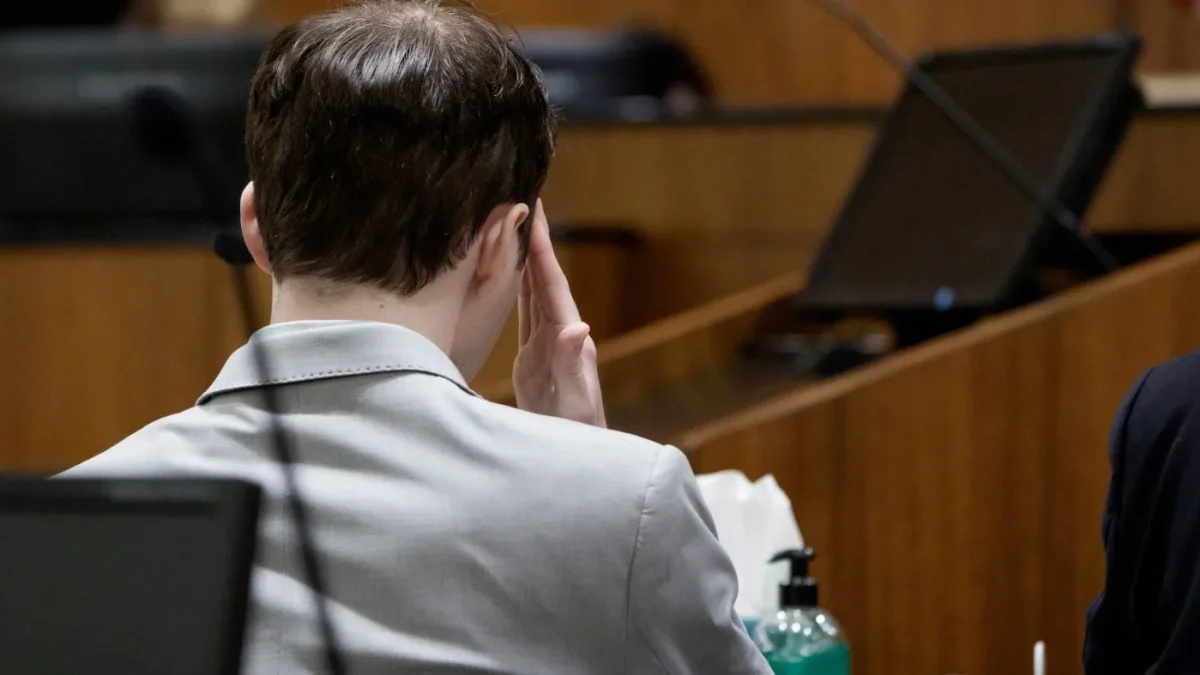
Table of Contents
Defense Challenges Death Penalty Eligibility in Utah Valley University Shooting Case
Provpnadvice.com – Legal representatives for Tyler Robinson are advancing a new argument in the case surrounding the fatal shooting of political commentator Charlie Kirk at Utah Valley University. The defense contends that Robinson’s actions did not endanger any members of the audience beyond the intended victim, a distinction they argue removes the possibility of capital punishment under Utah law.
During court proceedings on Tuesday, Robinson’s attorneys submitted detailed filings outlining why their client should not face the death penalty. The central premise of their argument rests on the assertion that Robinson successfully struck only the person he aimed to hit, thereby failing to satisfy the requirements for an aggravated murder conviction.
Understanding Utah’s Aggravated Murder Requirements
Under Utah statutes, a conviction for aggravated murder—a capital felony—demands that prosecutors demonstrate the presence of at least one statutory aggravating factor. These factors can include prior violent criminal convictions or circumstances involving the killing of a minor. Without establishing such an element, the death penalty cannot be pursued.
Prosecutors initially argued that Robinson posed what they described as a “great risk of death” to bystanders during the incident. This claim would qualify as an eligible statutory factor for capital punishment. However, Tuesday’s filing directly challenges this interpretation of the evidence.
“The only evidence presented supports that the bullets traveled above, not through, the crowd,” Robinson’s lawyers stated in their court submission.
The defense maintains that documentation submitted to the Utah County Attorney’s Office demonstrates that Kirk was the sole individual positioned within the line of fire when the shots were fired. This positioning, they argue, negates the prosecution’s claim that other attendees faced significant danger.
Examining Communications and Motive
Robinson’s legal team has also reviewed communications between their client and Lance Twiggs, who serves as both Robinson’s roommate and romantic partner. According to the filing, these exchanges contain no references to threats or planned harm directed at anyone other than Kirk.
“No mention of any threat or intended harm to any other individual(s)” was found in the communications between Robinson and Twiggs, the defense noted.
Earlier hearings featured prosecutorial claims that Kirk was specifically targeted due to his political views. Prosecutors pointed to messages between Robinson and Twiggs in which the defendant allegedly expressed frustration, writing that he “had enough of his hatred. Some hate can’t be negotiated out.”
Robinson’s attorneys dispute this political motivation theory. They argue that the referenced message speaks to broader concepts of “hatred” rather than any particular political ideology or position held by Kirk.
“These circumstances are not sufficient to establish, even by probable cause which if any political express of Mr. Kirk motivated Mr. Robinson to select Mr. Kirk for an act of violence,” the attorneys wrote in their filing.
Legal Process Ahead
Robinson has not yet entered a formal plea regarding the charges against him. The next significant milestone in the case will be a hearing scheduled for September 1, presided over by Utah District Judge Tony Graf. This proceeding will likely address various procedural matters and potentially set the stage for further developments in the case.
The question of death penalty eligibility remains one of the most consequential aspects of this case. If the defense successfully demonstrates that no additional aggravating factors exist beyond those already established, Robinson could face a lengthy prison sentence without the possibility of capital punishment. Conversely, if prosecutors can convince the court that their interpretation of the evidence is correct, the death penalty remains on the table.
Utah has maintained its capital punishment framework in recent years, though executions have become less frequent. The state requires careful consideration of aggravating and mitigating factors before imposing the death penalty, making this case particularly significant for understanding how Utah courts evaluate such circumstances.
As the legal proceedings continue, all parties involved will be watching closely to see how the court interprets the evidence regarding both the danger posed to bystanders and the potential political motivations behind the shooting. The outcome could set important precedents for similar cases in the future.
Related Reading
Frequently Asked Questions
What is Accused Charlie Kirk shooter ineligible for death?
Accused Charlie Kirk shooter ineligible for death is the main topic of this guide. The article explains the context, practical details, and next steps readers should understand.
Why does Accused Charlie Kirk shooter ineligible for death matter?
Accused Charlie Kirk shooter ineligible for death matters because readers are looking for a useful answer, not just a short summary. Good content should match search intent and help them decide what to do next.