DOJ slams DC City Council for requests to remove National Guard

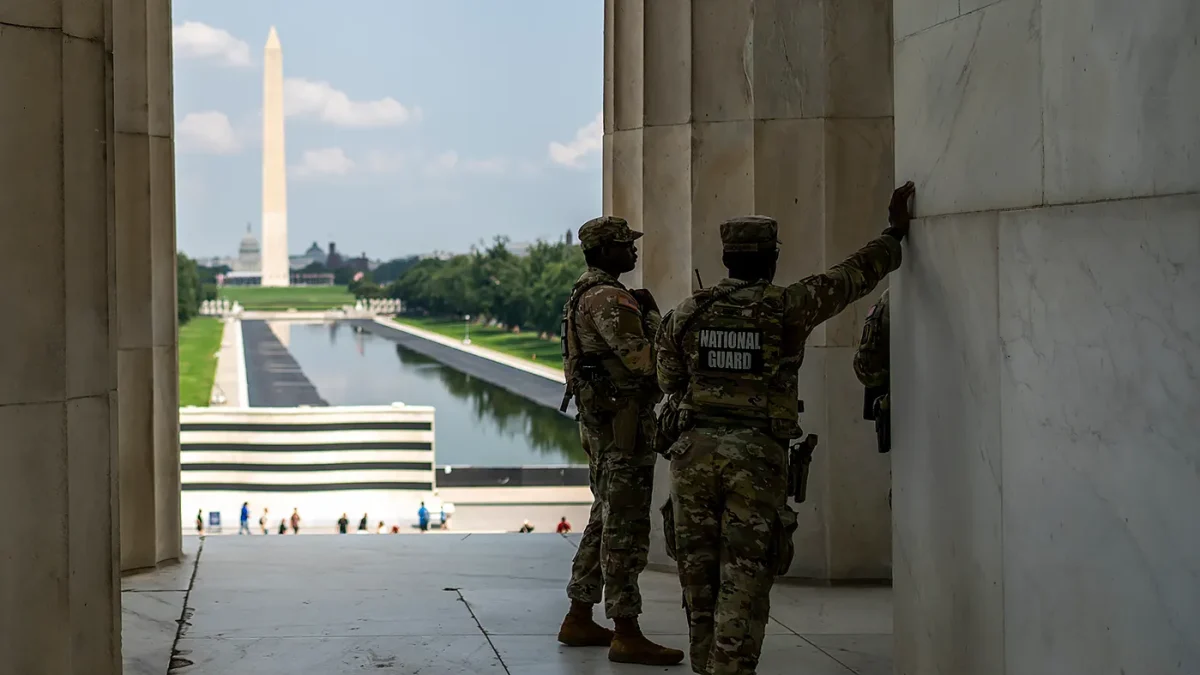
Table of Contents
Justice Department Challenges DC Council’s Authority Over National Guard Deployment
Provpnadvice.com – Washington, D.C.’s municipal leadership faces mounting criticism from federal officials after attempting to pull National Guard troops from the nation’s capital streets. The Justice Department issued a forceful rebuke on Wednesday, directly challenging the City Council’s attempts to recall military personnel from multiple states.
The conflict centers on correspondence sent by council members to governors across ten different states. These letters, dispatched in early December, requested that state leaders withdraw their National Guard contingents stationed in Washington. Among the recipients was Michigan Governor Gretchen Whitmer, whose letter specifically referenced the conclusion of the city’s 250th anniversary celebrations as a potential timeline for troop withdrawal.
A Federal Response to Local Demands
Colin McDonald, serving as assistant attorney general, delivered a pointed response to the council members. In his letter, McDonald characterized the council’s position as demonstrating a lack of understanding regarding significant public safety improvements achieved in the capital. He emphasized the constitutional and legal boundaries of municipal authority over federal military deployments.
Let me be clear, your council has no power to demand that governors remove their brave men and women from serving in uniform in our nation’s capital.
McDonald further dismissed the council’s correspondence as politically driven gestures lacking substantive impact. He maintained that Washington has experienced measurable improvements in safety regardless of the council’s objections to the military presence.
Crime Statistics and Urban Renewal
The Justice Department official presented additional evidence supporting the continued deployment. McDonald asserted that crime figures in the capital may be underreported, suggesting that official statistics do not fully capture the extent of criminal activity. He highlighted a decline in the murder rate following the National Guard’s arrival in August 2025.
According to McDonald, the reduction in criminal activity coincided with broader urban transformation efforts. He connected the safety improvements to comprehensive rehabilitation of historical monuments, public spaces, and commercial districts throughout the capital. The official suggested that these physical improvements contributed to the overall decline in crime.
You should withdraw your letters and dedicate your remaining time in public service to correcting D.C.’s laws to ensure criminals are punished and the public is protected –– not the other way around.
McDonald concluded his correspondence by offering federal assistance to help the council address legislative gaps that might better protect residents and hold offenders accountable.
Federal Support and Political Backlash
The timing of McDonald’s letter proved significant. FBI Director Kash Patel released comprehensive safety statistics on the same day, reinforcing the administration’s position. Patel’s social media announcement detailed substantial enforcement achievements: 6,121 arrests, nearly 2,000 drug seizures, more than 1,300 illegal firearms confiscated, 237 search warrants executed, and over $252,000 in recovered cash. Most notably, homicides had decreased by 44 percent.
One year into the President’s initiative, the numbers speak for themselves.
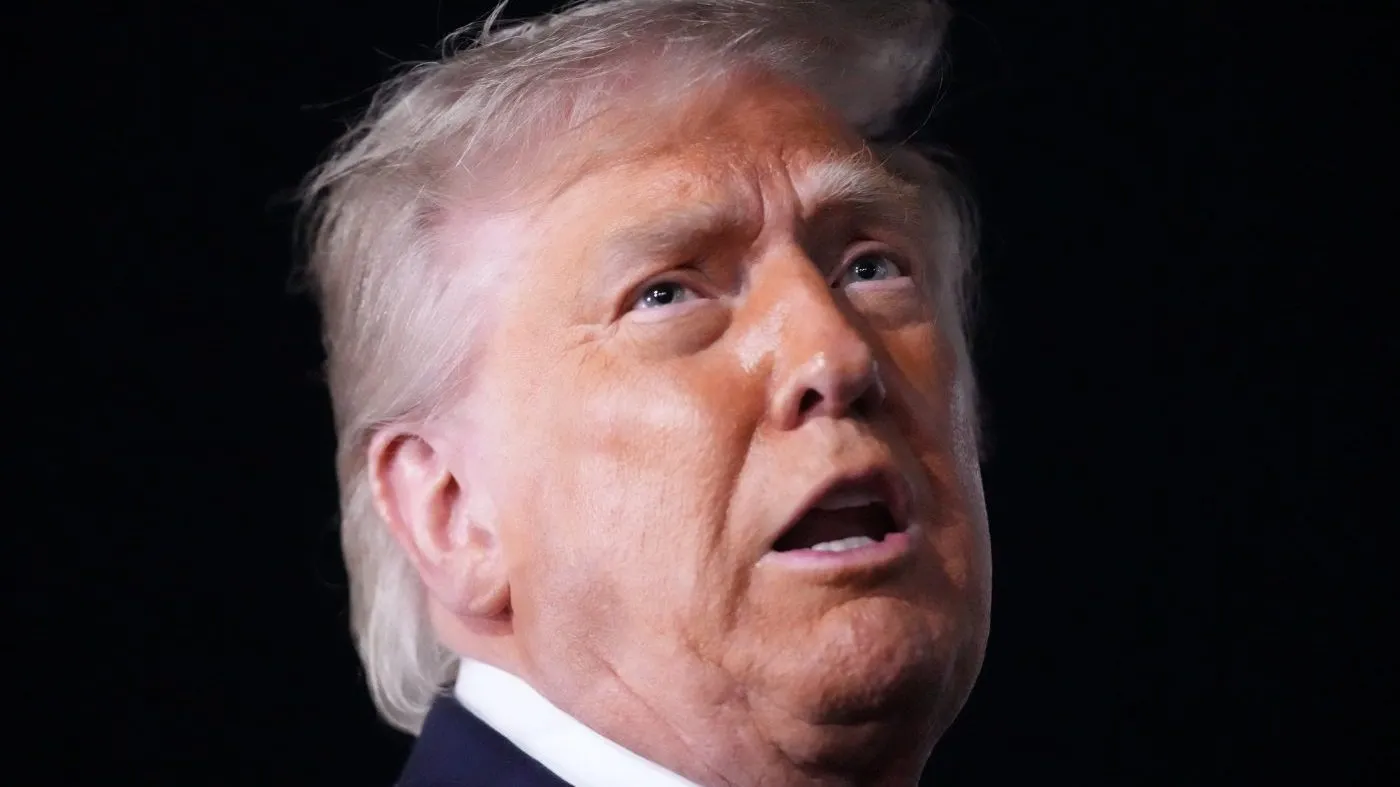
Tuesday marked exactly one year since President Trump authorized the National Guard deployment to Washington. The anniversary coincided with renewed criticism of organizations challenging the administration’s narrative. Trump directed sharp words toward the Center for American Progress, a liberal think tank that published findings indicating violent crime was already declining before the COVID-19 pandemic began.
Crime is way down since I took Office, and they know it.
The president announced plans to pursue legal action against the organization, characterizing its conclusions as deliberate misrepresentations. He emphasized that accountability must follow what he described as systematic dishonesty at high levels of analysis.
Financial Implications and Expert Perspectives
Chandler Hall, the report’s primary author, responded to the president’s criticism during a C-SPAN appearance. Hall expressed disappointment that Trump continues to attribute safety improvements to the deployment when data suggests other factors played significant roles. The researcher maintained that the administration’s narrative oversimplifies complex urban dynamics.
The financial dimension of the deployment adds another layer to the ongoing debate. Hall’s analysis calculated that the National Guard presence has already consumed $1.7 billion in resources. Additional projections indicate the deployment could require another $1.4 billion through the conclusion of Trump’s term in 2029, bringing total expenditures to approximately $3.1 billion.
The conflict between federal and local authorities in Washington reflects broader tensions about governance in the nation’s capital. As a federal district rather than a state, DC operates under unique constitutional arrangements that complicate questions of authority and jurisdiction. The National Guard deployment has become a focal point for these ongoing debates about who controls public safety in the capital and how success should be measured.
Local residents and business owners continue to navigate the changing landscape of Washington’s streets. The presence of military personnel has altered patterns of daily life, from evening commutes to weekend activities. Whether the council’s efforts to withdraw troops will succeed remains uncertain, as legal challenges and political negotiations continue to unfold.
The Justice Department’s position appears firm, with McDonald’s letter signaling federal willingness to defend the deployment through both legal and political channels. As the one-year anniversary passes, the question of whether Washington’s safety improvements justify the continued military presence and substantial financial investment remains central to the city’s political discourse.
Related Reading
Frequently Asked Questions
What is DOJ slams DC City Council for requests?
DOJ slams DC City Council for requests is the main topic of this guide. The article explains the context, practical details, and next steps readers should understand.
Why does DOJ slams DC City Council for requests matter?
DOJ slams DC City Council for requests matters because readers are looking for a useful answer, not just a short summary. Good content should match search intent and help them decide what to do next.