Ex-Border Patrol commander Bovino exploring 2028 White House run

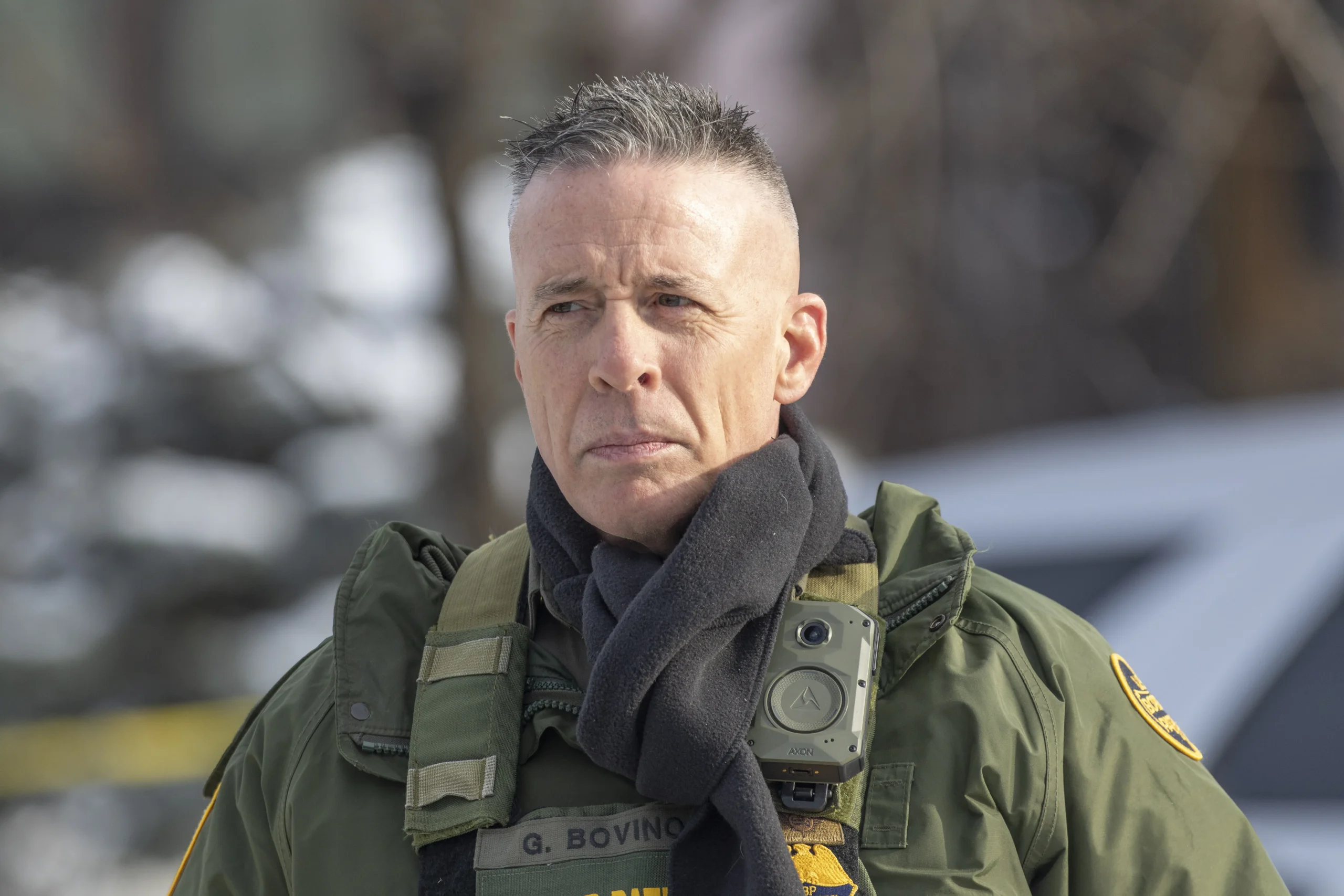
Ex-Border Patrol Commander Bovino Eyes 2028 Presidential Run
Provpnadvice.com – Gregory Bovino, a retired Border Patrol commander-at-large known for his role in implementing the Trump administration’s stringent immigration policies, has begun exploring a potential presidential bid in 2028. This development was confirmed by NewsNation, which reported that Bovino has established an exploratory committee to gauge interest in a national campaign. While describing his presidential ambitions as “exploratory at the time,” he indicated that a formal bid would follow if the momentum continues.
Retirement and Political Aspirations
Bovino, who spent nearly three decades with the Border Patrol before retiring in March, has remained vocal about his belief in aggressive immigration enforcement. In a recent interview with NewsNation, he highlighted his readiness to pursue a White House candidacy, stating that his focus would be on addressing the perceived threats to national borders. His decision to launch the committee underscores his confidence in the current political climate, which he argues aligns with his vision for a strong leadership approach.
Controversial Imagery and Rhetoric
As part of his campaign outreach, Bovino’s team has created the website Bovino2028.com, which prominently features an image of the former commander wearing a coat that has sparked debates over its symbolism. Some critics have likened the attire to Nazi-era garb, while Bovino maintains that the Border Patrol provided the coat and that he has worn it for over 25 years. The site also promotes the slogan “House Bovino – Men Fight Back,” framing his political message around a return to assertive national policies.
“Following the Commander’s maximum effectiveness in quelling the foreign hordes that have subsumed our nation’s cities, both large and small, the American people witnessed what true leadership, powered by a warrior mindset, actually looks like as The Commander endeavored to restore order and national sovereignty.”
Criticism of Immigration Policies
Since stepping down from his position, Bovino has continued to advocate for mass deportation as the cornerstone of border security. He has frequently criticized the Department of Homeland Security (DHS) for what he perceives as a lack of decisive action during the Trump administration’s immigration crackdown. His social media presence, which includes a separate X account after his official Customs and Border Protection profile was closed, has been a platform for his critiques, emphasizing the need for stronger enforcement measures.
“If I were President, I’d lead that (deportation) effort from the front and be on the front lines from time to time.”
The controversy surrounding his coat has gained traction in the wake of broader public discourse on immigration tactics. Photos of Bovino in the attire have spread rapidly online, especially as criticism of federal agencies intensifies. During a speech at the World Economic Forum in January, California Governor Gavin Newsom remarked on the imagery, calling it “SS garb,” which has further fueled the debate over its implications.
Leadership Conflicts and Policy Disputes
Bovino’s political ambitions have drawn attention to his disagreements with current DHS leaders. He has accused former Secretary Markwayne Mullin of “holding back” Immigration and Customs Enforcement (ICE) officers at a detention center in New Jersey, where tear gas was previously used to manage protests. Mullin, in response, dismissed Bovino’s critique, stating, “I’ve never met the guy … he’s irrelevant to me. I don’t know who he is.”
“I’ve never met the guy … he’s irrelevant to me. I don’t know who he is.”
Additionally, Bovino has criticized Tom Homan, the current border czar, for adopting a more lenient stance on immigration enforcement. This criticism comes after Homan took over operations following Bovino’s removal as commander-at-large in January. The incident that led to his dismissal involved the fatal shooting of two individuals in Minneapolis, Renee Good and Alex Pretti, by federal immigration agents. Bovino, who previously praised the use of tear gas in cities like Los Angeles, Chicago, and Minneapolis, argued that Homan’s softer approach failed to address the urgency of the situation.
Social Media Campaign and Alleged Immigration Statistics
Throughout his retirement, Bovino has leveraged social media to challenge the policies of other Trump administration figures. He recently targeted Chief of Staff Susie Wiles, accusing her of “pushing to dial it back and water down mass deportations.” His online rhetoric has also extended to other officials, framing them as obstacles to his vision of border control.
Bovino has also made a bold claim about the scale of illegal immigration, alleging that 100 million immigrants currently reside in the United States without legal documentation. This figure, which surpasses estimates from other federal agencies, has become a central argument in his political narrative. He describes this as evidence of a systemic crisis requiring immediate and decisive action, including a mass deportation strategy.
Legacy and Future Prospects
Despite the controversy, Bovino’s political strategy appears to be rooted in his past experiences. His focus on restoring national sovereignty and confronting what he calls the “foreign hordes” has resonated with certain segments of the population. However, his campaign will need to address concerns about his symbolic choices and the effectiveness of his proposed policies. With the 2028 election cycle approaching, his exploratory committee will play a crucial role in shaping his platform and mobilizing support.
Jeff Arnold, a national immigration enterprise reporter for NewsNation Digital, has been following Bovino’s political trajectory closely. He notes that the former commander’s blend of policy advocacy and provocative imagery has positioned him as a unique figure in the 2028 race. As his campaign gains traction, the broader implications of his candidacy—both for the future of immigration policy and the political landscape—will be closely watched. For now, Bovino’s focus remains on building momentum, with his team emphasizing the importance of leadership that prioritizes strength and clarity over compromise.
His efforts reflect a broader trend of former enforcement officials entering politics, seeking to influence policy from the executive branch. While some question whether his approach will appeal to a wider electorate, others see his candidacy as a continuation of the hardline immigration stance that defined his career. As the 2028 presidential race heats up, Bovino’s vision and rhetoric will be key factors in determining his viability as a candidate.
With the launch of his exploratory committee and the creation of a dedicated campaign website, Bovino has taken the first steps toward a potential White House run. His focus on aggressive enforcement and national leadership positions him as a contender in a race that will likely center on immigration, security, and the role of federal agencies. Whether his message gains widespread traction or remains a niche appeal will depend on his ability to adapt his strategies and address the evolving concerns of the American public.