El-Sayed on Rogers avoiding debate: ‘The elephant was not in the room’

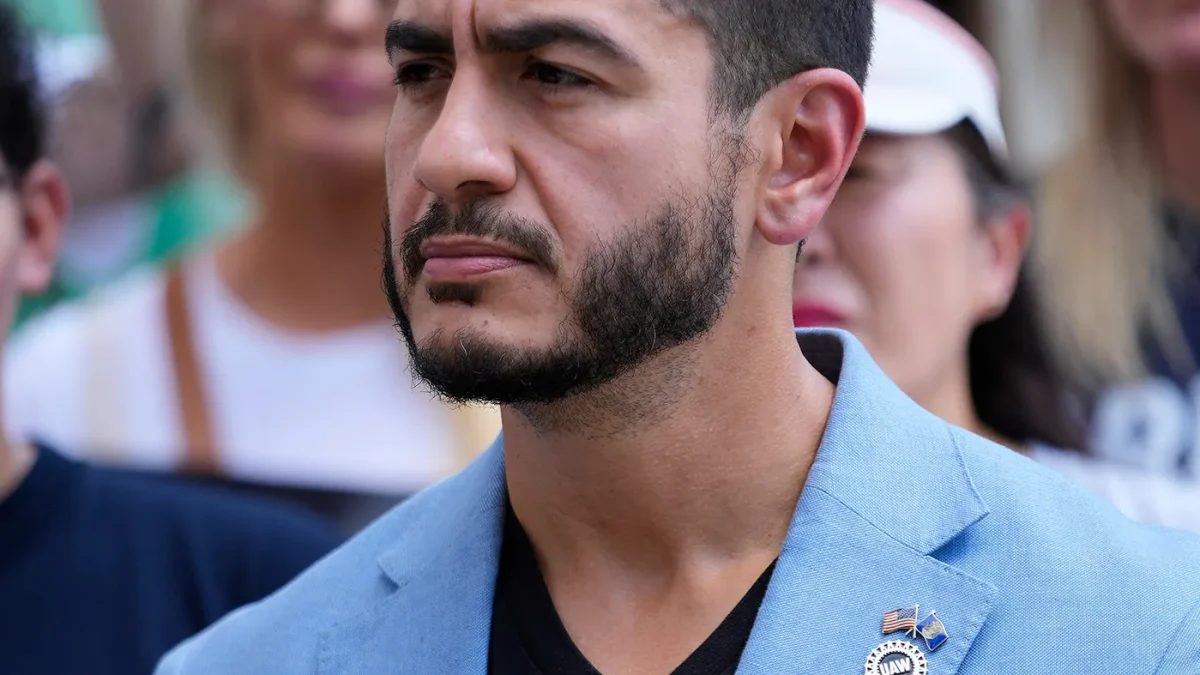
Table of Contents
El-Sayed Criticizes Rogers for Skipping Detroit Senate Debate
Provpnadvice.com – Michigan Democratic Senate candidate Abdul El-Sayed used Tuesday night’s debate in Detroit to attack former Rep. Mike Rogers, his Republican opponent, over Rogers’s decision not to take part in the event.
With Rogers absent from the stage, El-Sayed framed the missing candidate as the central issue of the evening. He compared the Republican to the party’s elephant symbol and argued that Rogers chose a Texas political appearance over a direct exchange with Michigan voters.
The elephant was not in the room. The elephant decided that they did not want to be in the room. The elephant cowarded out. Although, the elephants were all in the room in Dallas.
The remark referred to a recent Republican midterm convention in Texas where Rogers spoke. El-Sayed said the contrast raised questions about Rogers’s willingness to defend his campaign before voters at home.
It’s wild to me that this guy is more interested in going to speak for what? Six minutes and 48 seconds in Dallas than he is to have 60 minutes with Michiganders here in Detroit. But it tells you who he is, he’s a coward.
Rogers Campaign Cites Concerns About Debate Moderation
Rogers did not attend the Tuesday debate, with his campaign arguing that the format would not provide an impartial contest. Alyssa Brouillet, the campaign’s communications director, said Michigan voters should have an opportunity to see candidates debate under fair conditions, but maintained that the event was affected by media bias.
Michiganders deserve to see their candidates engage in a healthy, fair debate — not one compromised by media bias.
The campaign focused its objections on moderator Roop Raj, a journalist with Fox 2. Brouillet said Raj’s public comments and associations showed what the campaign characterized as bias toward El-Sayed. She cited remarks in which Raj called El-Sayed “brilliant,” along with praise Raj received from Hasan Piker, who described him as “my GOAT [greatest of all time],” and references to Raj’s political stunts.
The dispute over the moderator underscores a familiar challenge in major political campaigns: candidates and campaigns often disagree not only on policy, but also on the conditions under which they are willing to debate. For voters, debates can be one of the clearest chances to compare candidates side by side, hear unscripted answers, and assess how each contender responds to criticism. When one candidate declines an invitation, the disagreement over the format can itself become part of the campaign message.
El-Sayed Turns Focus to Cost-of-Living Questions
During the debate, Raj asked El-Sayed about the possibility that moderate Democratic voters could back Rogers. Rather than concentrating solely on partisan labels or voter defections, El-Sayed redirected his answer toward the economic concerns he said should define the race.
Folks want to make this campaign about all different kinds of things that are a distraction. The question ultimately is: Can you afford your life? Can you afford the things you have to buy every week, every month, every year? And if not, ask yourself: why not?
That response placed affordability at the center of El-Sayed’s campaign argument. His framing suggests an effort to appeal beyond the most committed Democratic voters by emphasizing expenses that affect households regularly, from weekly purchases to recurring monthly and annual costs. It also offered a contrast to the debate-stage conflict, steering attention from Rogers’s absence toward a broader question about economic pressure on Michigan residents.
Rogers, meanwhile, has made visible efforts to attract support from outside the Republican base. Late last month, he formally introduced a coalition called “Democrats for Mike Rogers.” The launch event included several Democrats, among them Michigan state Rep. Karen Whitsett.
The coalition gives Rogers a way to argue that his campaign has support across party lines, particularly among Democrats dissatisfied with their party’s direction or more comfortable with a Republican candidate. El-Sayed’s answer at the debate indicated that he intends to challenge that appeal by focusing on whether voters believe their economic circumstances have improved and which candidate they trust to address their concerns.
A Debate Dispute Becomes a Campaign Test
Tuesday’s event left voters without the direct confrontation they might have expected between the two Senate candidates. Instead, the debate became a test of competing narratives: El-Sayed portrayed Rogers’s absence as avoidance, while the Rogers campaign said it was a response to concerns over fairness and the moderator’s conduct.
For El-Sayed, the missing opponent created an opening to question Rogers’s readiness to face Michigan voters. For Rogers, the refusal to participate allowed his campaign to emphasize its objections to the debate environment while continuing its outreach to Democrats through the newly announced coalition.
As the Senate contest continues, the disagreement may shape expectations for future candidate appearances. The core questions raised on Tuesday remain straightforward for voters: whether the candidates will meet in a setting both campaigns accept, how they address affordability and other kitchen-table issues, and whether cross-party endorsements will influence the final choice.
Related Reading
Frequently Asked Questions
What is El Sayed on Rogers avoiding debate?
El Sayed on Rogers avoiding debate is the main topic of this guide. The article explains the context, practical details, and next steps readers should understand.
Why does El Sayed on Rogers avoiding debate matter?
El Sayed on Rogers avoiding debate matters because readers are looking for a useful answer, not just a short summary. Good content should match search intent and help them decide what to do next.