Abortion rights group expands midterm battleground efforts


Table of Contents
Abortion Rights Advocates Target Three Competitive House Races
Provpnadvice.com – Reproductive Freedom for All is directing roughly $1 million toward voter outreach in three closely watched congressional districts in Arizona, Michigan and Nevada as the November midterm elections approach. The campaign is intended to strengthen support for candidates who back abortion rights while helping Democrats compete in contested House races.
The organization’s plans center on paid canvassing and direct conversations with voters, reflecting the continued importance of reproductive rights in closely divided elections. Its investment is part of a broader $23.5 million midterm effort aimed at mobilizing voters and helping Democrats win Republican-held seats that could determine control of Congress.
Key districts in Arizona, Michigan and Nevada
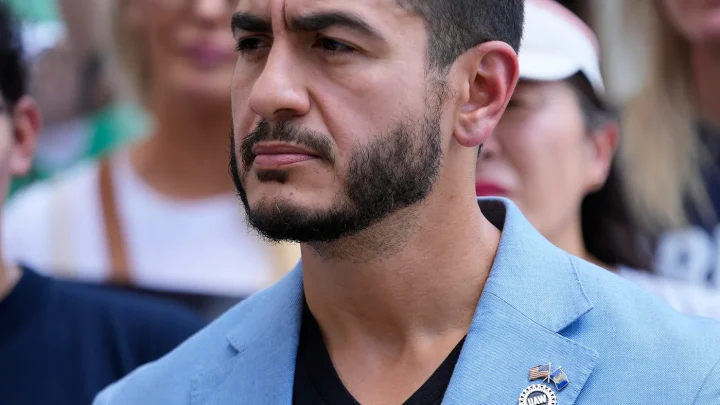
In Arizona’s 1st Congressional District, Democrat Amish Shah is challenging Republican Rep. Dave Schweikert. The race gives abortion-rights advocates an opportunity to focus on a district currently represented by the GOP while making reproductive freedom a central part of voter contact efforts.
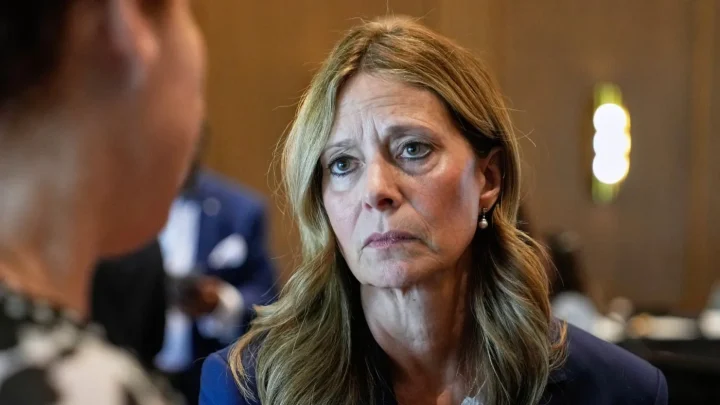
Michigan’s 10th Congressional District is also a priority. Democrat Christina Hines is seeking an open seat currently held by Republican Rep. John James, who is running for governor rather than pursuing reelection to the House. Open-seat contests can draw added attention because neither party has the advantage of an incumbent candidate running to retain the position.
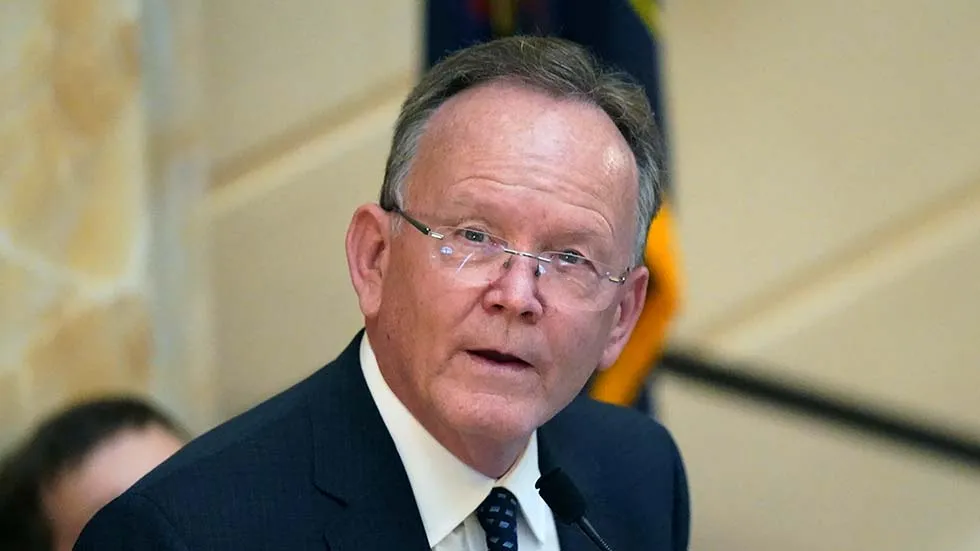
In Nevada’s 3rd Congressional District, Democratic Rep. Susie Lee is running for another term while facing Republican challenger Marty O’Donnell. The outreach program in Nevada will have a dual purpose: supporting Lee’s campaign and encouraging turnout for Question 6, an abortion-rights ballot measure.
Nevada voters must approve Question 6 a second time in 2026 before its protections can be added to the state constitution. The measure’s presence gives advocates a statewide issue to discuss alongside the congressional contest, even as campaigns focus on local concerns and candidate differences.
Reproductive rights remain a political force
The abortion debate has remained politically consequential since the Supreme Court overturned Roe v. Wade in 2022. That ruling ended the federal constitutional protection for abortion and shifted major policy decisions to individual states. In the 2022 midterms, voter frustration over the decision contributed to a series of Democratic victories.
Abortion is not necessarily the leading national concern for Democratic voters in the current cycle. Affordability has emerged as a major issue for many people weighing their choices at the ballot box. Still, the fight over reproductive freedom continues across the country through legislation, court challenges and ballot measures.
For groups such as Reproductive Freedom for All, that environment makes voter engagement especially important. The organization is seeking to connect the broader debate about abortion access to the practical choices voters face in competitive districts. Canvassing can give campaign workers an opportunity to discuss how congressional control may affect future national policy proposals involving reproductive health and abortion rights.
The organization is also emphasizing the economic dimensions of reproductive freedom. Its message is designed to reach voters who may be focused primarily on household costs, employment, health care and financial stability. Decisions about pregnancy and health care can carry substantial personal and economic implications, making the issue relevant beyond voters who view it solely through a political or legal lens.
A narrow fight for control of the House
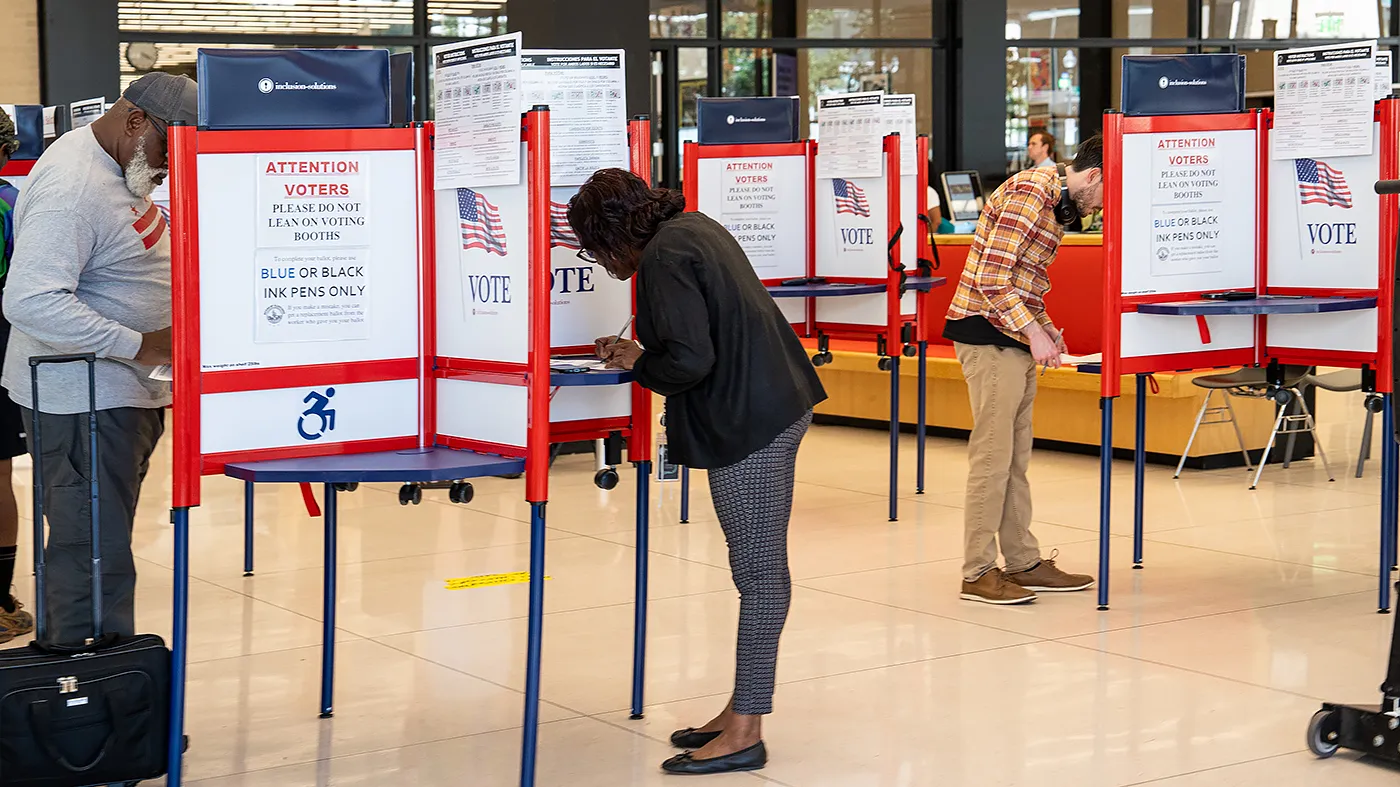
The three districts illustrate why national advocacy groups are concentrating resources on a limited number of races. In a closely divided House, even a small group of competitive contests can shape which party holds power after the election. Campaign investments in field operations are meant to identify supportive voters, encourage them to cast ballots and maintain attention on issues that could otherwise receive less prominence.
Reproductive Freedom for All President and CEO Mini Timmaraju framed the effort as part of a larger struggle over federal action on reproductive rights.
“Control of Congress — and our ability to fight back against national attacks on reproductive freedom — could come down to these races with razor-thin margins,” Timmaraju said in a statement.
Her comments underline the group’s belief that contested House seats may have consequences beyond the candidates and districts directly involved. Congressional majorities influence which bills move forward, what legislation receives consideration and how national debates over reproductive freedom develop.
Timmaraju said the new investment is meant to support substantive voter contact during the final stretch of the campaign.
“This investment will power meaningful conversations with voters about what is at stake and why electing champions of reproductive freedom is crucial this November,” she said.
As Election Day nears, the Arizona, Michigan and Nevada efforts will test whether reproductive-rights messaging can remain a powerful organizing issue alongside voters’ concerns about affordability and other day-to-day pressures. For candidates in these tight contests, turnout and persuasion efforts may prove decisive in races with implications for the next Congress.
Related Reading
Frequently Asked Questions
What is Abortion rights group expands midterm battleground?
Abortion rights group expands midterm battleground is the main topic of this guide. The article explains the context, practical details, and next steps readers should understand.
Why does Abortion rights group expands midterm battleground matter?
Abortion rights group expands midterm battleground matters because readers are looking for a useful answer, not just a short summary. Good content should match search intent and help them decide what to do next.