What products are part of US-China $60 billion tariff cuts deal

Table of Contents
U.S. and China Set Tariff Reductions Covering $60 Billion in Trade
Provpnadvice.com – Washington and Beijing have announced a tariff-cutting arrangement affecting an estimated $60 billion in goods, splitting the reductions evenly between products entering the United States and products entering China.
The agreement, described as a 30-30 framework, applies to $30 billion in imports on each side. It represents another move by the United States to narrow its tariff imbalance with China while offering relief across selected consumer and agricultural categories.
Consumer Goods Feature Prominently in U.S. Tariff Changes
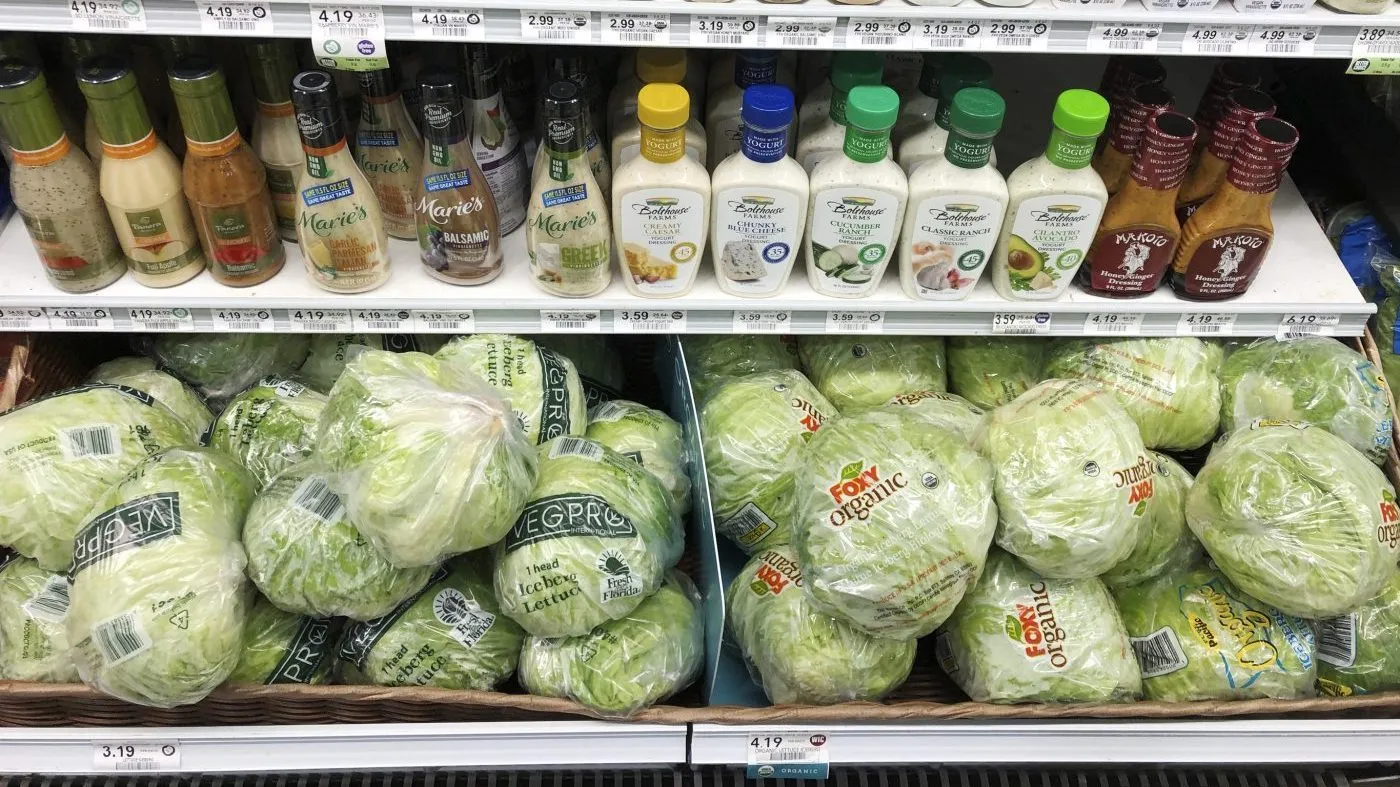
The White House list includes 77 categories of Chinese-made products imported into the United States. Many of the affected items are familiar consumer goods, including holiday decorations, fireworks and toys for children.
That focus arrives as household costs remain a central concern. Tariffs can influence the prices paid by importers, retailers and consumers, particularly when they apply to widely purchased goods. Reducing duties on consumer products does not guarantee an immediate change in store prices, but it may ease one source of cost pressure in supply chains.
Inflation worries have been accompanied by concern over higher gasoline prices and a weaker consumer outlook. The Conference Board’s consumer confidence index fell to 81.9 in September, a decline of 6.7 points from August. The result was the lowest reading since 2014, a period when consumer sentiment had been recovering after dropping below 30 during the financial crisis.
For shoppers, the product mix matters because it reaches categories commonly sold through mass-market retail channels. Christmas items, toys and fireworks are also products for which seasonal purchasing and inventory planning can be important, meaning the practical effects of lower tariffs may depend on when goods are shipped and sold.
China’s Reductions Center on American Agriculture
China’s portion of the deal covers 1,619 categories of U.S. exports. Agricultural goods account for a significant share of those products, with soybeans and related items standing out as particularly important.
American soybean producers have long viewed China as a major destination for their crop. The American Soybean Association emphasized the importance of soybeans in the tariff discussions, pointing to China’s continuing commitment to buy at least 25 million metric tons of U.S. soybeans per year in 2026, 2027 and 2028.
“China remains an important market for U.S. soybeans, and we want to see a strong trading relationship that allows more customers in China to purchase our soybeans,” ASA President and Ohio soybean farmer Scott Metzger said.
The inclusion of farm goods underscores how trade policy can have distinct effects across the economy. Lower barriers for consumer imports may be most visible to retailers and households, while changes involving agricultural exports can matter directly to growers, grain handlers, exporters and rural communities tied to crop sales.
Soybeans have often occupied a prominent place in U.S.-China trade negotiations because of both their commercial value and the scale of China’s demand. Commitments involving future purchases offer producers a clearer indication of expected market access, though actual trade volumes can still be shaped by demand, prices, harvest conditions and broader economic circumstances.
Advanced Chips Remain Outside the Agreement
Notably absent from the tariff package are microchips, semiconductors and electronics. Their exclusion leaves a major area of friction between the two countries untouched by the new import-duty reductions.
The omission is significant because advanced chips are connected to national security, industrial competitiveness and artificial intelligence development. Trade rules governing semiconductor technology have become more restrictive and politically sensitive than those involving many ordinary consumer or agricultural products.
A group of Senate Democrats has urged President Trump to address loopholes they say allow China to evade U.S. export restrictions on semiconductors and microchips. The senators argued that access to advanced chips and manufacturing tools could support the development of what they called dangerous artificial intelligence systems.
“China is accelerating its drive for AI dominance by exploiting weaknesses in the administration’s export controls to access advanced chips and manufacturing equipment,” they wrote.
The split between tariff relief for selected goods and continued limits on sensitive technology illustrates the narrower scope of the 30-30 arrangement. The deal reduces duties in areas where both countries have identified commercial interests, but it does not resolve the broader disputes surrounding high-end technology exports.
What the Framework Means
The new framework is designed around reciprocal tariff reductions rather than a complete reset of U.S.-China trade policy. American consumers could see the greatest relevance in the categories of imported household and seasonal goods included on the U.S. list. U.S. agricultural producers, especially soybean growers, have a direct interest in China’s treatment of farm imports.
At the same time, the agreement leaves critical questions beyond its reach. Semiconductor controls, microchip exports and the competition over artificial intelligence remain separate matters. As a result, the tariff cuts may improve conditions for selected products and industries without eliminating the deeper economic and strategic tensions that continue to shape the relationship between Washington and Beijing.
Related Reading
Frequently Asked Questions
What is What products are part of US China?
What products are part of US China is the main topic of this guide. The article explains the context, practical details, and next steps readers should understand.
Why does What products are part of US China matter?
What products are part of US China matters because readers are looking for a useful answer, not just a short summary. Good content should match search intent and help them decide what to do next.