Oil prices jump 5 percent after U.S. revokes Iran oil sanctions waiver

Oil Prices Surge Following U.S. Sanctions Waiver Revocation
Provpnadvice.com – On Tuesday, global oil markets experienced a sharp rebound, with prices rising over 5% after the United States rescinded its temporary exemption from enforcing sanctions on Iranian oil exports. This decision followed a series of incidents involving three commercial ships in the Strait of Hormuz, a strategic waterway critical for global energy trade. The move by the U.S. Treasury Department has intensified tensions between the two nations, signaling a shift in their diplomatic and economic relationship.
Market Reaction to the Waiver Cancellation
International Brent crude oil prices surged nearly 5.5%, breaching the $75 per barrel mark by Tuesday evening. The sharp increase reflects heightened uncertainty in the oil sector, as traders anticipated the end of the waiver that had previously allowed Iranian oil sales to continue until August 21. The expiration of this temporary measure has forced market participants to reassess the potential impact of U.S. sanctions on Iran’s energy exports.
Performance-Based Agreement Under Scrutiny
A U.S. official revealed that the memorandum of understanding (MOU) between Washington and Tehran was structured to reward Iran’s cooperation in reducing hostilities. “Iran will only benefit if it demonstrates ‘good behavior,’” the official stated, underscoring the conditional nature of the agreement. The recent attacks on commercial vessels near the Strait of Hormuz, however, were deemed a failure by the U.S. to meet these terms, prompting swift consequences.
“Iran’s actions in the strait were wholly unacceptable to the United States and will be met with consequences.”
Iran’s Claim of Agreement Breach
Kazem Gharibabadi, Iran’s deputy foreign minister, contested the U.S. decision, asserting it violated the terms of the MOU. He linked the reversal to “the actions of the Zionist regime in Lebanon and threatening statements against Iran,” referring to Israel’s persistent military presence in the country and its rhetoric directed at Tehran. Gharibabadi emphasized Iran’s commitment to protecting its interests, stating, “The Islamic regime will take decisive actions to safeguard its national security and interests.”
Escalation of Tensions and Retaliatory Measures
The attacks on the three ships, which occurred earlier in the week, triggered a retaliatory response from the U.S. Central Command. These strikes came after the UK Maritime Trade Operations, associated with the Royal Navy, reported that a commercial tanker had caught fire following a projectile hit. The incident underscored the volatile security environment in the region and raised concerns about the stability of oil shipments through the Strait of Hormuz.
Regional Blame and Geopolitical Fallout
Qatar joined the chorus of criticism, accusing Iran of targeting its liquified natural gas vessel, Al-Rekayyat, and asserting that the regime had breached international law. The country’s government highlighted the incident as evidence of Iran’s aggressive posture, which has strained relations with neighboring states. Meanwhile, the U.S. and Israel’s joint airstrikes in February had already claimed the life of former Supreme Leader Ayatollah Ali Khamenei, a development that deepened regional animosities.
Strategic Importance of the Strait of Hormuz
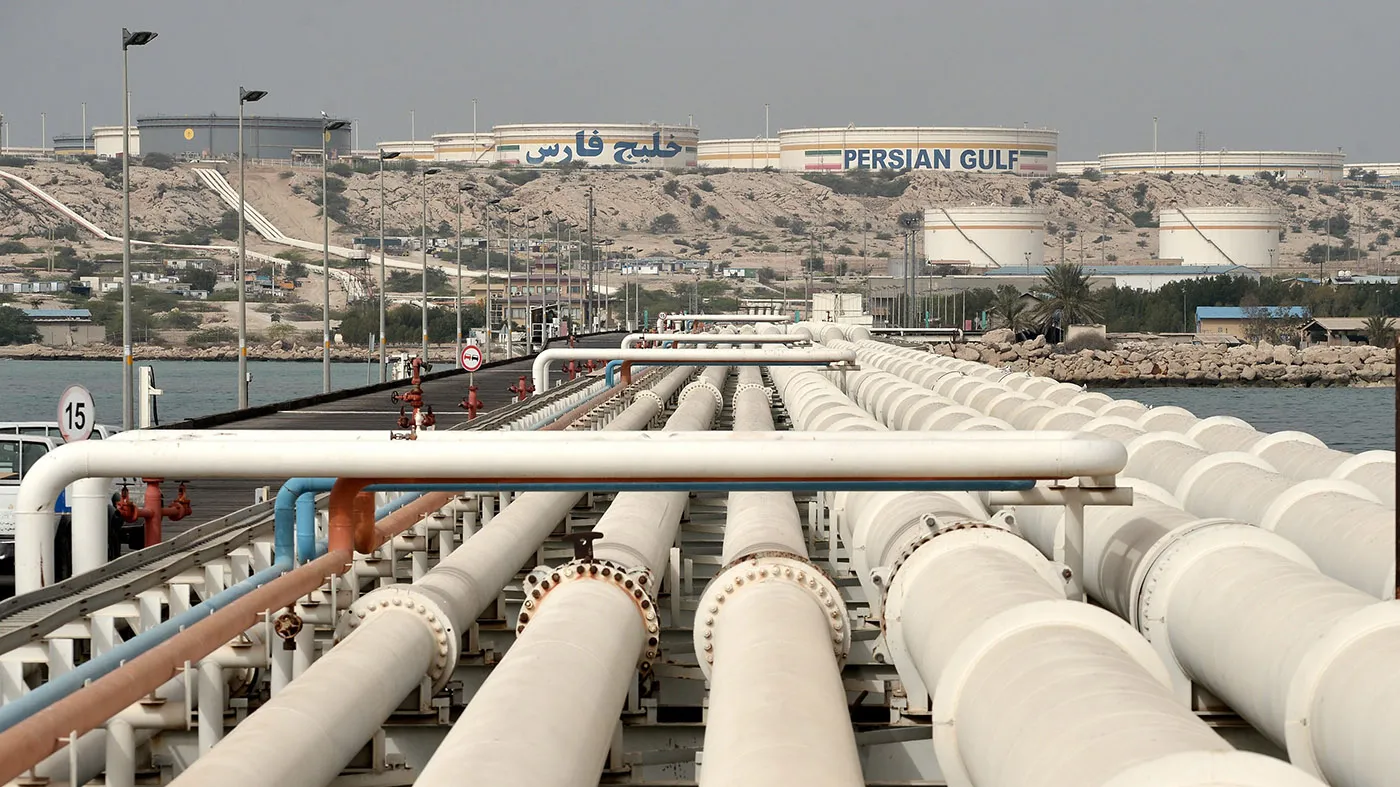
The Strait of Hormuz, a vital chokepoint between the Persian Gulf and the Gulf of Oman, facilitates the movement of approximately 20% of the world’s oil and gas exports. Control over this narrow passage is essential for energy security, and the recent attacks have heightened fears of disruptions in the flow of crude oil. The U.S. has long positioned itself as a guardian of this route, and its decision to withdraw the waiver signals a renewed focus on curbing Iran’s influence in the region.
Broader Implications for the Oil Market
The sudden price spike has ripple effects across global energy markets, influencing demand and supply dynamics. Analysts warn that the loss of the waiver could lead to a decrease in Iranian oil exports, potentially driving up prices further. This scenario adds pressure on countries reliant on Iranian oil, particularly in the Middle East, to find alternative suppliers or adjust their economic strategies. The situation also highlights the delicate balance between diplomacy and economic leverage in international relations.
Political Repercussions and Public Response
Iran’s response to the waiver revocation has been swift and assertive, with its leadership vowing to protect national interests. The massive funeral procession honoring Ayatollah Ali Khamenei, who was killed in the February airstrikes, has become a symbol of the regime’s resilience and determination. However, the attack on the oil tankers has forced Iran to confront the consequences of its actions, both domestically and internationally.
Timeline of Events and Future Outlook
The U.S. Treasury Department’s decision to terminate the waiver followed a clear timeline: the previous waiver allowed transactions to continue through August 21, but the new directive mandates a phased wind-down by July 17. This adjustment underscores the U.S. commitment to tightening sanctions, even as it seeks to maintain a strategic foothold in the region. The effectiveness of the MOU as a tool for de-escalation remains in question, with both sides now facing the challenge of redefining their relationship in light of renewed hostilities.
Global Reactions and Market Predictions
Global markets have reacted with caution, as the U.S. moves to enforce sanctions on Iranian oil. The sharp increase in prices has sparked discussions about the long-term implications for energy prices and geopolitical stability. Experts predict that the situation could escalate further, with Iran potentially responding to U.S. measures through additional attacks or diplomatic maneuvers. The Strait of Hormuz, already a flashpoint for conflict, may become even more central to international energy policy in the coming months.
As the situation evolves, the interplay between economic sanctions and military action continues to shape the region’s dynamics. The U.S. and Iran’s renewed rivalry serves as a reminder of the complex challenges in maintaining trade and security in a volatile part of the world. With oil prices at a critical juncture, the decisions made in the coming weeks will have far-reaching consequences for global markets and international relations.