Inflation rises to 4.2 percent in May, highest level in 3 years


Inflation Rises to 4.2 Percent in May, Highest Level in Three Years
Provpnadvice.com – The Bureau of Labor Statistics reported that the annual inflation rate reached a three-year high in May, driven by surging energy costs and broader consumer goods prices linked to ongoing tensions with Iran. This data, released on Wednesday, highlights a continued upward trend in the cost of living, raising concerns about economic stability and purchasing power for households across the nation.
Consumer Price Index Data
The Consumer Price Index (CPI), a key indicator used to track inflation, climbed by 4.2 percent year-over-year in May. This represents a 0.5 percentage point increase compared to the previous month, underscoring persistent pressure on everyday expenses. The CPI’s growth aligns with expectations set by Wall Street analysts, marking the first time the metric has crossed the 4 percent threshold since early 2023.
Energy Price Surge
Energy prices remained a dominant factor in the inflationary landscape, rising by 3.9 percent in May alone. This follows a 3.8 percent increase in April and a steep 10.9 percent jump in March, reflecting a consistent upward trajectory. Energy costs accounted for over 60 percent of the overall monthly inflation increase, highlighting their critical role in shaping the broader economic picture.
Gasoline Prices and Market Dynamics
The Energy Information Administration (EIA) noted that the average price of gasoline hit $4.49 per gallon in mid-May, a significant jump from $4.09 in mid-April. However, the national average has since dipped to $4.15 in June, according to AAA. This fluctuation illustrates the complex interplay between geopolitical developments and market responses, as the conflict with Iran continues to influence global oil prices.
Food and Other Goods
While energy prices dominated the inflation narrative, the food index also saw a 3.1 percent annual increase, with a marginal 0.2 percent rise in May. Other goods, including services and non-energy items, experienced a nearly 3 percent year-over-year growth. This broad-based increase suggests that inflation is not confined to a single sector, but rather a systemic issue affecting multiple parts of the economy.
Geopolitical Factors and Market Impact
The inflationary pressures are closely tied to the evolving situation in the Middle East, where the war in Iran has disrupted supply chains and heightened uncertainty. The closure of the Strait of Hormuz, a strategic waterway, has effectively cut off approximately 20 percent of the world’s oil exports, exacerbating fuel price volatility. Analysts argue that this disruption has created a ripple effect, driving up costs for energy-dependent industries and households alike.
Political Implications
President Trump, who had previously predicted a decline in prices once the conflict with Iran stabilized, now faces criticism for his handling of the economic situation. During a recent press briefing, he pointed fingers at Iran for stalling peace talks, despite lawmakers condemning his lack of focus on Americans’ financial well-being. The Labor Department’s latest report serves as a significant political blow to Trump and his allies, undermining their economic messaging ahead of the November elections.
“Prices will drop as the conflict settles down,” Trump asserted before the latest escalation, but his remarks have been met with skepticism from opponents who highlight the ongoing strain on household budgets. The report’s release comes amid mounting public frustration, with surveys indicating that rising living costs are becoming a central issue in voter sentiment.
Expert Analysis and Long-Term Outlook
Despite the temporary spike in energy prices, experts caution that sustained reductions are unlikely in the near term. Even if the Strait of Hormuz reopens and oil shipments resume, the process of stabilizing global markets could take weeks or months, depending on the resolution of diplomatic tensions. “The impact of supply chain disruptions lingers,” said one economist, emphasizing that inflationary trends may persist unless broader geopolitical issues are resolved.
Economic Concerns and Public Sentiment
The latest inflation data has reignited worries about the cost of living, a growing source of anxiety for many Americans. With households grappling to afford essentials like groceries and fuel, the trend raises questions about the effectiveness of current economic policies. Recent polls reveal a shift in public opinion, with more voters expressing concerns over inflation’s impact on their financial security than in previous months.
Global Supply Chains and Domestic Effects
The war in Iran has not only affected oil markets but also disrupted global supply chains, influencing prices for a wide range of goods. Energy costs have become a proxy for broader economic uncertainty, as consumers and businesses adjust to higher expenses. This has led to a situation where inflation is no longer confined to a single sector but instead permeates multiple areas, compounding the challenges faced by families and industries alike.
Strategic Implications for the Economy
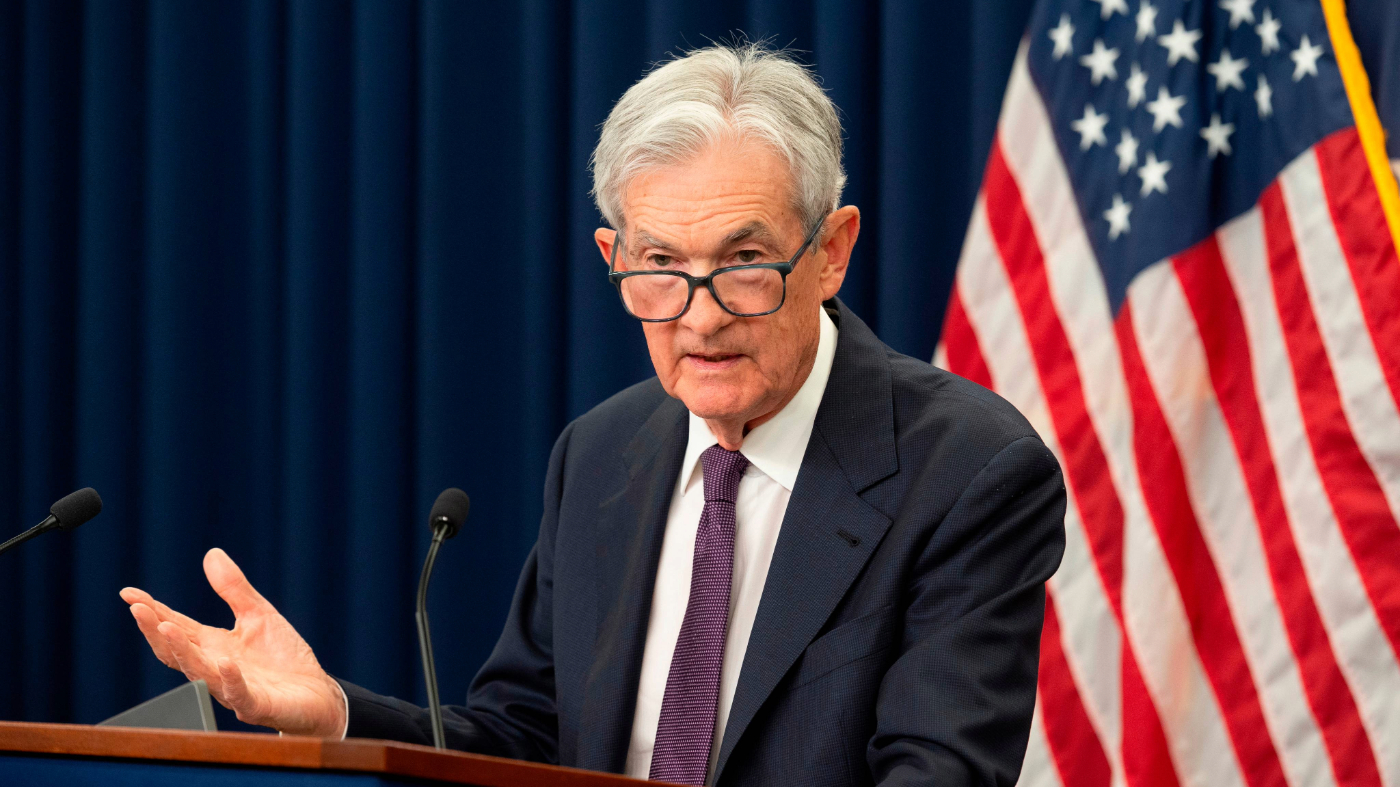
Analysts suggest that the inflationary environment may have long-term implications for the U.S. economy, particularly if the Iran conflict persists. The government’s ability to manage inflation while addressing international trade dynamics will be crucial in determining the overall economic trajectory. Additionally, the Federal Reserve’s interest rate decisions will play a pivotal role in mitigating inflationary pressures, as policymakers balance growth with price stability.
Historical Context and Future Projections
Comparing this year’s inflation rate to historical data reveals a pattern of sustained upward movement. The 4.2 percent annual increase in May is the highest since April 2023, a period marked by similar economic strains. If this trend continues, it could signal a shift toward a more inflationary environment, prompting further analysis of how the U.S. can adapt to these challenges. The data also raises questions about the resilience of the economy and the potential for future adjustments in monetary policy.
Consumer Behavior and Market Responses
As inflation climbs, consumer behavior is shifting in response to higher prices. Many households are cutting back on discretionary spending, while businesses are reassessing pricing strategies to maintain profit margins. This has led to a scenario where demand for certain goods may slow, potentially influencing future inflation rates. However, the immediate effects of the Iran war on energy prices suggest that the upward trend will remain for the foreseeable future.
Conclusion and Broader Impact
The Labor Department’s report underscores the interconnectedness of global events and domestic economic conditions. The rise in inflation, fueled by energy and food price increases, serves as a reminder of the challenges posed by geopolitical instability. For policymakers, the data highlights the need for a multifaceted approach to managing inflation, addressing both supply-side disruptions and demand-side factors. As the political season heats up, the report’s implications for the economy will continue to shape the discourse around the November elections and the broader future of American economic policy.