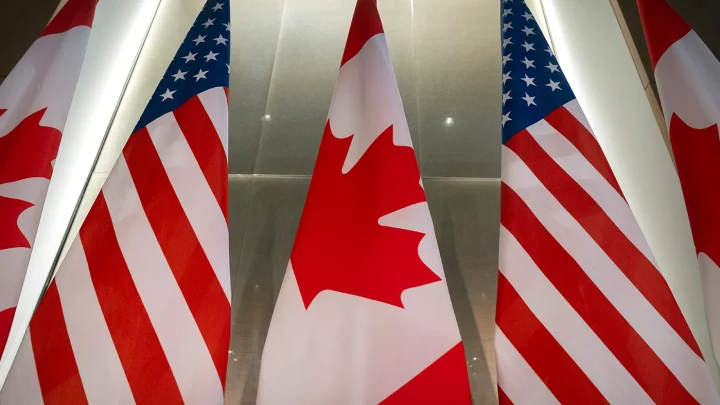
Carney: Canada relied ‘too much’ on ‘easy’ economic ties with US

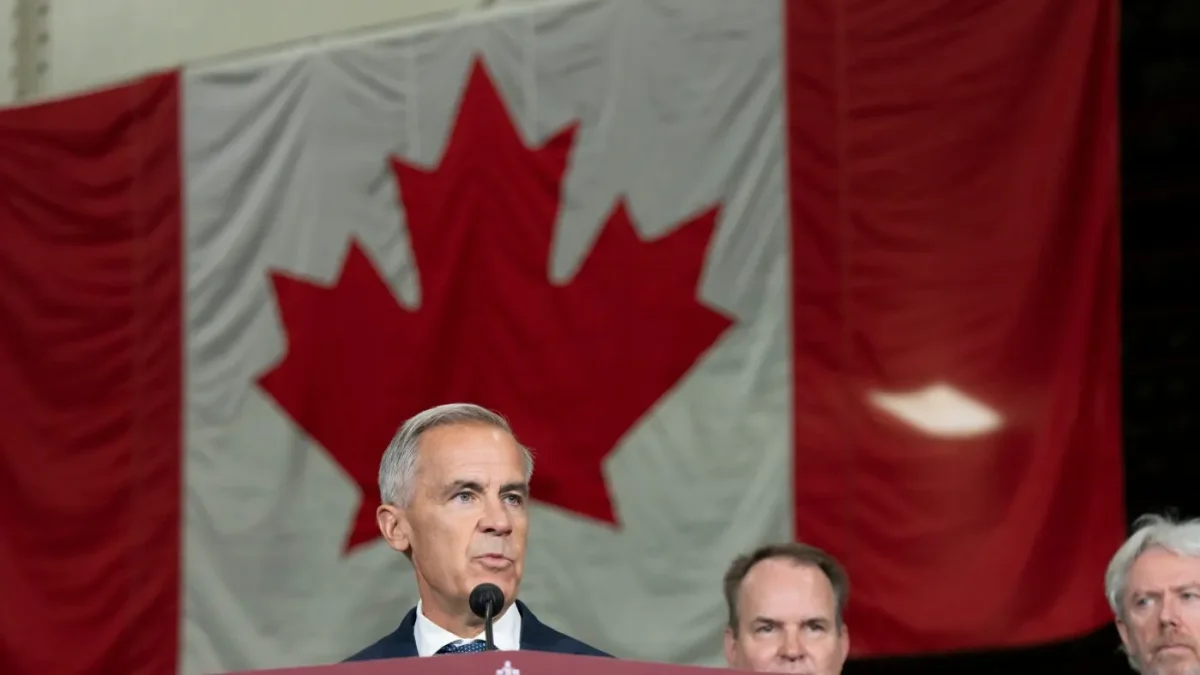
Table of Contents
Canada’s Retaliatory Tariffs Take Effect as Carney Declares End to an Era of Economic Dependence
Provpnadvice.com – Carney – As Canada’s countermeasures against American goods officially kicked in on Tuesday, Prime Minister Mark Carney seized the moment to announce what he framed as a fundamental turning point in the country’s economic identity. Speaking in a video uploaded to YouTube that morning, Carney acknowledged that four decades of seamless commercial integration with its southern neighbor had produced a comfortable but dangerously narrow relationship — one he now considers finished.
“The past 40 years has been a period of deeper economic integration with the United States. Truth is, it was easy business, but it meant we relied too much on one economic partner. It’s clear that time is over.”
The remark landed at a particularly pointed moment. Just hours before Carney posted his address, Ottawa’s retaliatory duties on roughly $27.6 billion worth of U.S. merchandise became operative, marking the latest escalation in a trade confrontation that has spiraled over the past several weeks after bilateral negotiations collapsed. What began as tariff threats from Washington has now hardened into a full-fledged tit-for-tat exchange, with both capitals imposing levies on each other’s goods in escalating waves.
The Mechanics of Ottawa’s Countermeasures
The new Canadian tariffs are structured in three tiers: 15 percent, 25 percent, and 50 percent rates applied across close to 6 percent of what American exporters shipped to Canada in the previous year. Carney had previously characterized these duties as “dollar for dollar” equivalents of the taxes Washington imposed on Canadian products, signaling that Ottawa intended to match the financial sting of U.S. measures without exceeding them.
More than 700 individual U.S. product lines fall under the fresh levies. The affected categories span metals and steel inputs, apparel and textiles, household appliances, cosmetics, and agricultural machinery. For American manufacturers and exporters, the breadth of the list means that supply chains feeding Canadian retail shelves, construction sites, and farms will face immediate cost increases, with knock-on effects likely to ripple into pricing on both sides of the border.
A Strategic Pivot: Diversification Over Denial
Carney positioned the tariff rollout not merely as economic retaliation but as the practical expression of a longer-term policy shift he has championed since taking office. In the same video, he outlined what he described as a deliberate departure from the old playbook of waiting for relations to normalize.
“This is why our plan, since I came into office, has been development and diversification, not denial, waiting to go back to some good old days, and not continued dependence.”
The language suggests Ottawa is preparing for a prolonged period of friction rather than a short negotiation pause. For a country whose economy has been deeply wired into American supply chains since the North American Free Trade Agreement of 1994 and its successor, the U.S.-Mexico-Canada Agreement, the prospect of sustained tariff barriers carries implications well beyond trade statistics. Canadian exporters in automotive, energy, lumber, and processed foods have spent decades optimizing their operations around frictionless access to the U.S. market. A structural reorientation toward other partners — whether in Europe, Asia-Pacific, or Latin America — would require years of investment, regulatory alignment, and logistics restructuring.
Escalation Beyond the Trade Table
The commercial dispute has been compounded by a series of symbolic and political moves from President Donald Trump aimed at Canada’s sovereignty and identity. Last week, Trump signed an executive order renaming Lake Ontario — a Great Lake that shares its name with a Canadian province — to “Lake America,” a gesture widely read in Ottawa as a deliberate provocation rather than a cartographic correction.
On Monday, the president appeared to renew his administration’s long-running suggestion that Canada might one day become a U.S. state. He posted an image on social media depicting the American flag’s star-and-stripe pattern stretched across most of North America, visually subsuming Canadian territory under the Union design. While such rhetoric may function as negotiating leverage or domestic political theater, it deepens the sense in Canada that the current confrontation is not purely about tariff schedules but about the broader architecture of the bilateral relationship.
What Comes Next
With tariffs now in force on both sides and diplomatic channels reportedly strained, the near-term outlook points toward continued economic friction. Canadian consumers and businesses will feel the effects of higher prices on imported American goods, while U.S. producers face reduced access to a market of roughly 40 million consumers. Whether the two governments return to the negotiating table, and under what conditions, remains uncertain. Carney’s Tuesday message made clear that Ottawa no longer views a quick restoration of the pre-dispute status quo as a realistic or desirable endpoint.
Related Reading
Frequently Asked Questions
What is Carney?
Carney is the main topic of this guide. The article explains the context, practical details, and next steps readers should understand.
Why does Carney matter?
Carney matters because readers are looking for a useful answer, not just a short summary. Good content should match search intent and help them decide what to do next.