Trump: FISA extension must include Save America Act

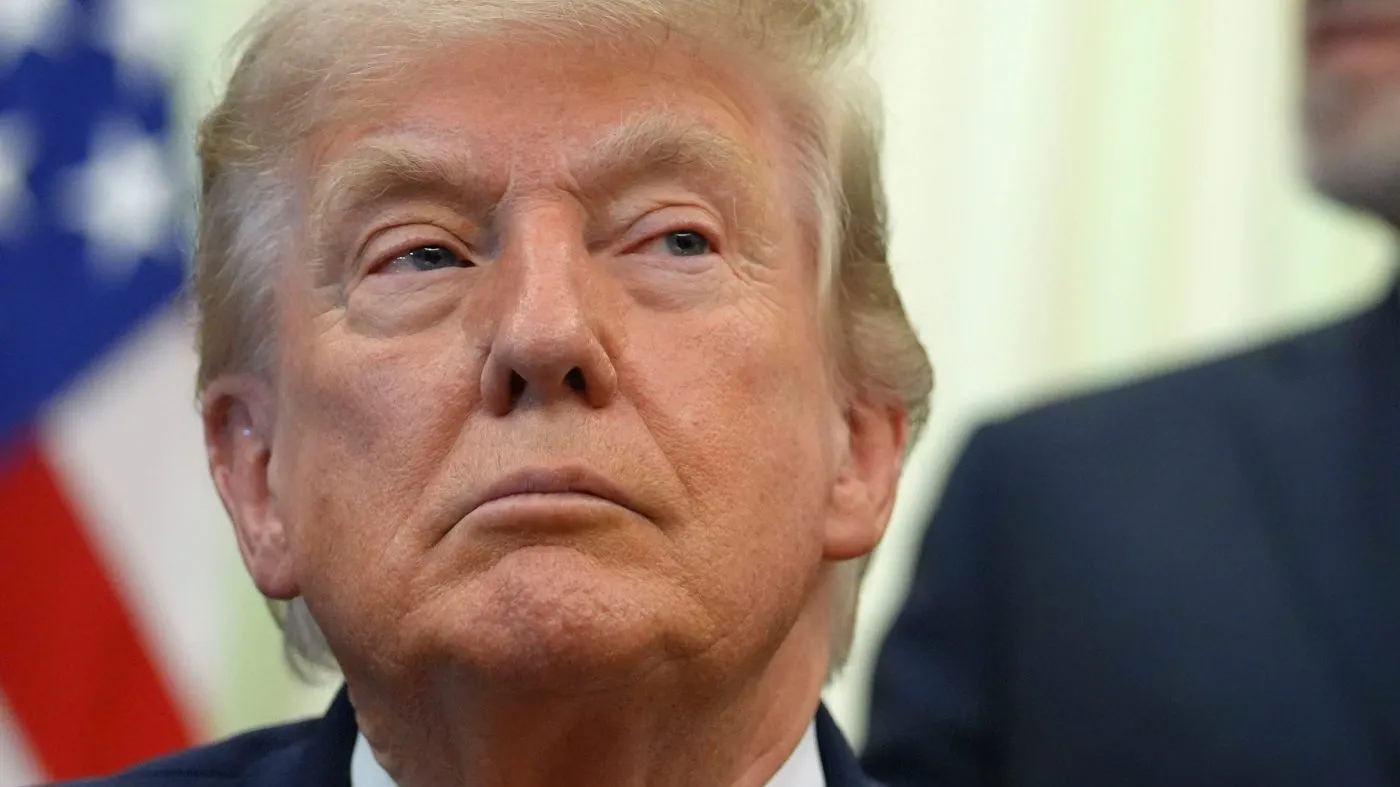
Trump Demands SAVE America Act Attached to FISA Extension
Provpnadvice.com – Trump – President Donald Trump has intensified his advocacy for reauthorizing Section 702 of the Foreign Intelligence Surveillance Act (FISA), insisting that any extension must be tied to the Safeguard American Voter Eligibility (SAVE America) Act. The proposal aims to address concerns about national security while incorporating voter integrity measures that align with Trump’s broader agenda. The debate has reignited tensions between the executive branch and congressional Democrats, who have previously criticized the extension as a means to expand warrantless surveillance powers.
Opposition to FISA Extension Sparks Political Drama
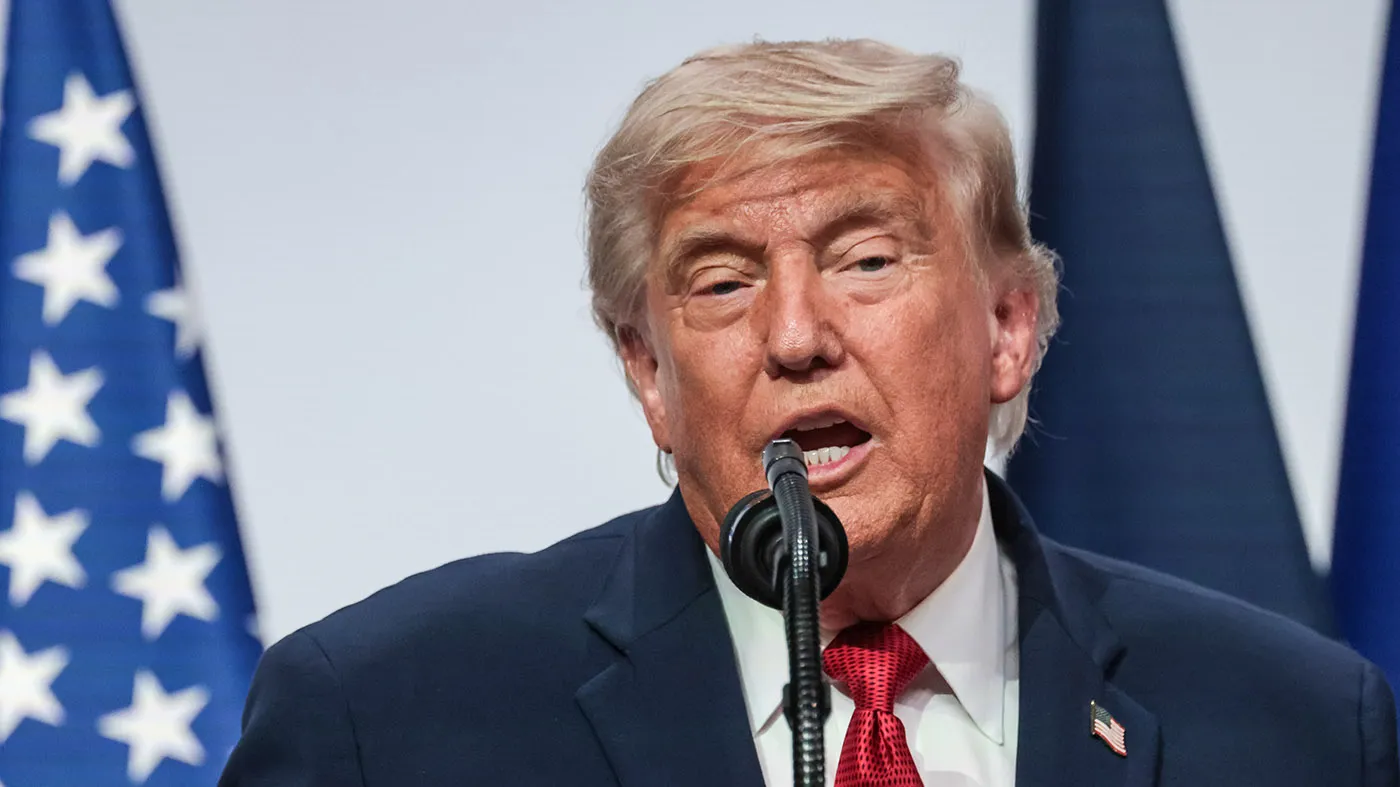
In a recent post on Truth Social, Trump emphasized his frustration with Democratic lawmakers who oppose the FISA renewal. He claimed that the disagreement is not solely about the appointment of Bill Pulte as the Acting Director of National Intelligence (DNI), but also reflects a deeper ideological rift. “A few Dumocrats are against FISA, with or without Bill Pulte going to DNI, as Acting,” he wrote. “What kind of a deal is that. Besides, I’m against FISA if it doesn’t come with The Save America Act (Full version!) firmly attached to it. MAKE AMERICA GREAT AGAIN!”
The SAVE America Act, which Trump has championed, mandates stricter voter eligibility requirements, including the need for proof of citizenship when registering to vote and the use of photo identification at the polls. These provisions are intended to curb voter fraud, a recurring theme in his political rhetoric. However, critics argue that the law could disproportionately affect minority and low-income voters, potentially reducing electoral participation.
FISA Lapse and Legislative Deadlock
Last week, both the House and Senate faced significant challenges in passing legislation to extend Section 702 of FISA through July 2. The failure to secure bipartisan support highlighted the growing divide between the two chambers and their respective leaderships. Democrats expressed strong opposition, citing their discontent with the nomination of Bill Pulte to lead the Office of the Director of National Intelligence (ODNI). This move, they claimed, was part of a larger effort to consolidate surveillance authority under Trump’s administration, raising concerns about potential overreach.
With the bills stalled, the House and Senate adjourned without reaching a consensus, leaving the FISA provisions to expire at midnight. Section 702 allows the government to collect foreign intelligence data from communications companies without requiring a warrant. This capability has been pivotal in monitoring international communications, particularly targeting individuals suspected of ties to terrorist organizations or foreign adversaries. The lapse in authority created uncertainty about the continuation of these surveillance activities, prompting urgent calls for a compromise.
Trump, however, remained undeterred. He leveraged his influence to reframe the issue, framing the SAVE America Act as a necessary amendment to any FISA extension. In a follow-up post on Truth Social, he accused Democrats of using FISA as a tool to target him during his first term. “The Dumocrats want FISA because that’s what they used to go after me for three years during my First Term!” he stated, suggesting the surveillance powers were misused to investigate his administration.
Strategic Moves to Secure Legislative Support
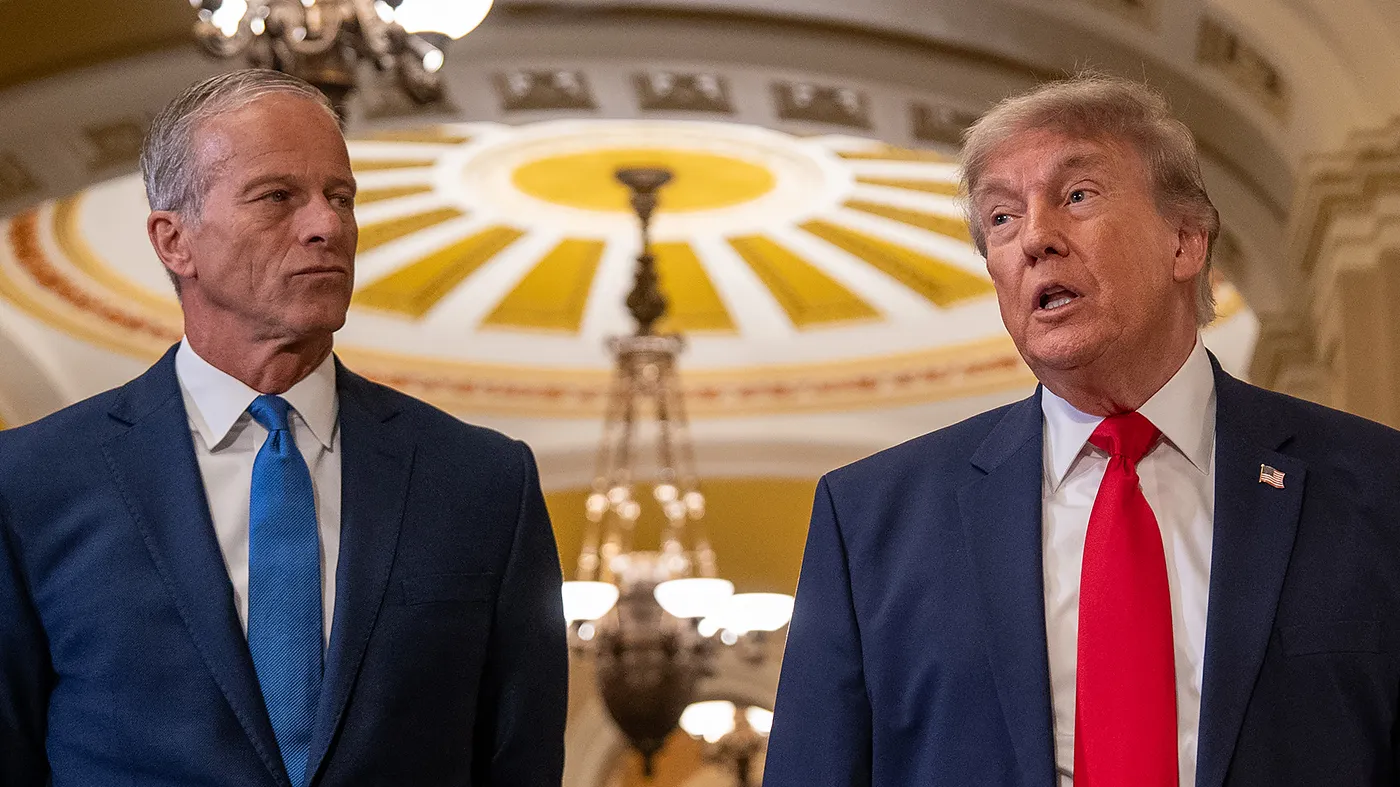
Trump’s campaign to secure FISA renewal has included strategic pressure on Senate leadership. He directly challenged Senate Majority Leader John Thune (R-S.D.), urging him to “immediately fire” Senate Parliamentarian Elizabeth MacDonough. This move was designed to bypass procedural hurdles and expedite the passage of the SAVE America Act. MacDonough, known for her role in enforcing legislative rules, had previously played a key part in blocking certain amendments, which Trump viewed as obstacles to his priorities.
The SAVE America Act has sparked a wave of political maneuvering. While the House and Senate have failed to pass the legislation, Trump has positioned it as a non-negotiable condition for FISA extension. His insistence on attaching the Act to the surveillance renewal underscores his strategy of using legislative battles to advance his ideological goals. The proposal also reflects his broader vision of curbing what he perceives as systemic voter fraud, a theme central to his re-election campaign.
Despite the bipartisan deadlock, Trump’s supporters argue that the SAVE America Act is a critical safeguard against election manipulation. They contend that the law would enhance transparency and ensure that only qualified voters participate in the democratic process. Conversely, Democratic lawmakers and civil liberties advocates warn that the Act could undermine voting access, particularly for communities that rely on alternative forms of identification.
Broader Implications for National Security and Governance
The ongoing debate over FISA and the SAVE America Act has broader implications for the balance between national security and civil liberties. Section 702 has been a cornerstone of U.S. intelligence operations, enabling the collection of vast amounts of data from foreign targets. However, its use against American citizens, such as in the case of Trump’s own surveillance, has raised questions about its scope and oversight.
As the political landscape shifts, the FISA extension remains a focal point for both parties. Trump’s call to action against Thune and MacDonough signals his determination to leverage executive authority and legislative strategy to achieve his objectives. The battle over the SAVE America Act is not just about voter eligibility—it is also a test of political will and a reflection of the broader ideological clash shaping American governance.
With the clock ticking on the FISA expiration, the stakes have never been higher. Trump’s insistence on attaching the SAVE America Act to the renewal underscores his belief that the legislation is essential to preserving the integrity of the electoral process. The outcome of this battle could set a precedent for future intelligence and voting reforms, further entrenching the divide between the president and his congressional opponents.