Judge indefinitely blocks Trump ‘anti-weaponization’ fund

Judge Indefinitely Blocks Trump ‘Anti-Weaponization’ Fund
Virginia Federal Court Halts Distribution of $1.776 Billion Program
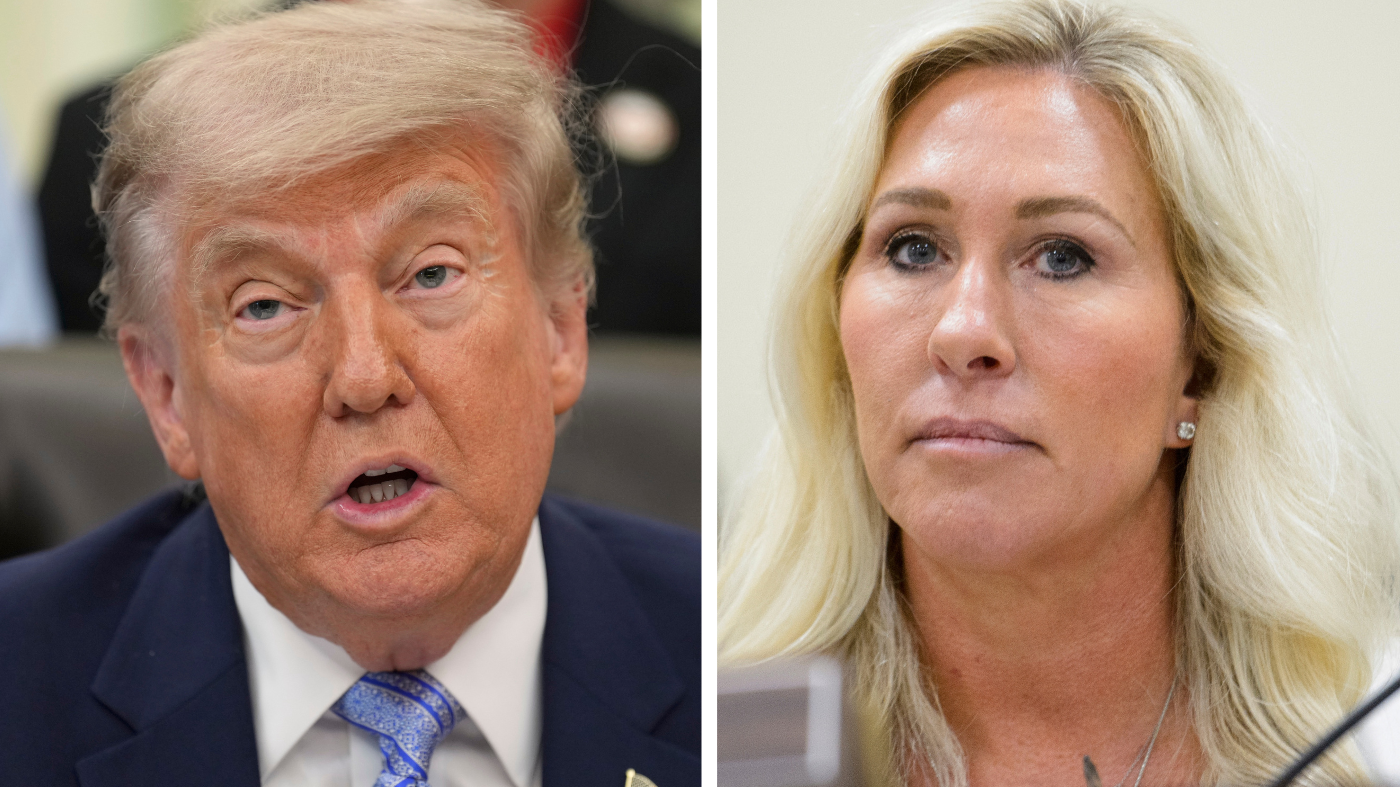
Provpnadvice.com – A Virginia federal court judge has issued an indefinite injunction against the Justice Department’s “anti-weaponization” fund, halting its operations until the legal challenges are resolved. This decision follows a prior ruling that temporarily suspended payments from the $1.776 billion program. The ruling came during a hearing on Friday, where the court evaluated whether to bar all financial disbursements from the fund for the duration of the litigation. The judge, Leonie Brinkema, emphasized the need for further review of the fund’s legality. Her order ensures that taxpayer money cannot be allocated through the program while the judicial process examines its constitutional validity. The decision was confirmed by Democracy Forward, a legal advocacy group representing the plaintiffs. The organization highlighted the significance of the ruling in safeguarding public spending practices and upholding constitutional principles.
Legal Concerns Highlighted in Court Statement
“This ruling is a significant victory for the Constitution, the rule of law, and people in America,” said Skye Perryman, president and CEO of Democracy Forward, in a statement. The group’s legal team argued that the Trump-Vance administration’s creation of the fund constituted a covert mechanism for distributing taxpayer funds without proper oversight. Brinkema’s order, they noted, prevents the administration from perpetuating this financial scheme while the courts deliberate on the broader implications. Perryman’s remarks underscore the plaintiffs’ belief that the fund operates outside standard governmental accountability frameworks. The court’s recognition of these concerns, she added, reinforces the necessity of transparency in executive actions. “Despite the administration’s shifting explanations about the fund’s future, the order ensures that taxpayer dollars are not being misused through this unlawful program,” Perryman stated. The case represents a pivotal moment in the ongoing scrutiny of the Trump administration’s fiscal policies.
DOJ’s Position on the Fund Remains Uncertain
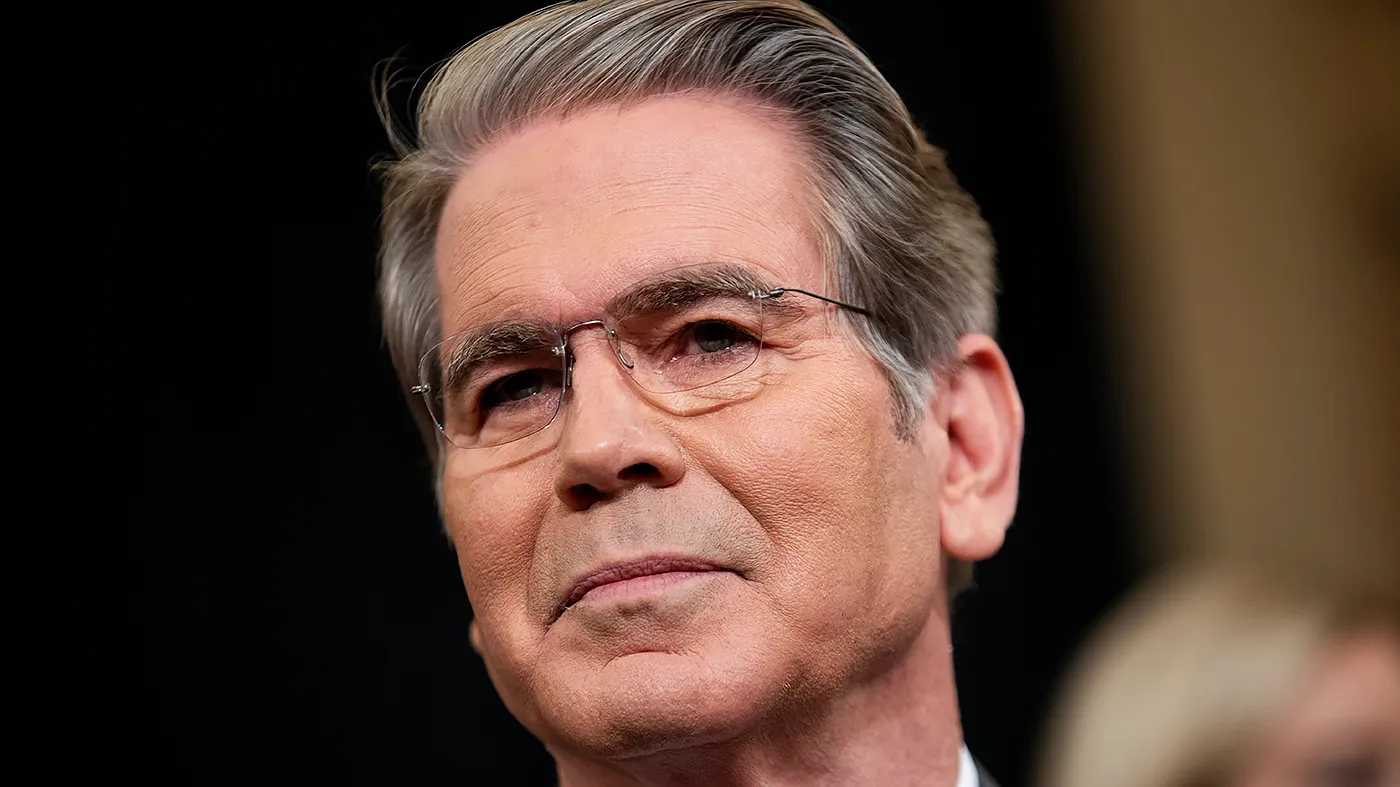
While the Department of Justice (DOJ) has stated it is “not moving forward” with the fund, it has not formally rescinded the program. Acting Attorney General Todd Blanche informed lawmakers of this stance but declined to issue a written confirmation. This ambiguity has raised questions about the DOJ’s commitment to ending the fund, leaving its future uncertain. The administration’s reluctance to document its decision has fueled criticism from legal watchdogs. Blanche’s verbal assurance, though, may not be enough to satisfy opponents who argue the fund is a tool for executive overreach. The DOJ’s actions have been scrutinized for their potential to bypass congressional oversight, with critics warning of the risks associated with unchecked financial power.
Controversy and Congressional Pushback
The establishment of the “anti-weaponization” fund sparked intense debate in Congress. Lawmakers, particularly members of the Republican Party, voiced rare opposition to the program, accusing the Trump administration of creating a backdoor for financial transactions. This pushback highlights the political polarization surrounding the fund and its perceived role in enabling questionable spending practices. The fund’s creation was met with swift criticism, with opponents labeling it a slush fund designed to circumvent transparency. Despite the controversy, the administration persisted in its efforts, arguing that the program serves a critical purpose in addressing national security challenges. However, the judicial intervention has forced a pause in its operations, allowing for a deeper examination of its legal foundation.
Additional Legal Challenges and Judicial Scrutiny
Beyond the Virginia ruling, the fund has become a focal point of multiple lawsuits. While some cases have achieved success, others have faced hurdles. On Thursday, a D.C.-based federal judge declined to grant a temporary restraining order in a separate case brought by Citizens for Responsibility and Ethics in Washington. However, the judge warned the Trump administration not to “play possum” in court, suggesting that the administration’s arguments may lack consistency. This warning signals growing skepticism among judges about the administration’s justification for the fund. Legal experts argue that the program’s lack of clear guidelines and oversight mechanisms has made it a target for criticism. The ongoing litigation reflects a broader effort to hold the executive branch accountable for its fiscal decisions, ensuring that taxpayer funds are used transparently and constitutionally.
Implications for Government Accountability
The indefinite block on the fund has far-reaching implications for how executive agencies manage public resources. Critics contend that the program exemplifies a trend of expanding presidential authority at the expense of legislative checks. By pausing its operations, the court has provided a critical opportunity to assess whether the fund’s existence violates constitutional safeguards. Legal scholars have pointed to the fund as a potential precedent for executive power. If allowed to proceed, it could set a standard for bypassing congressional approval in future financial initiatives. The Virginia ruling, therefore, is not just a temporary measure but a significant step in reinforcing the separation of powers.
Trump’s Comments on the Fund’s Future
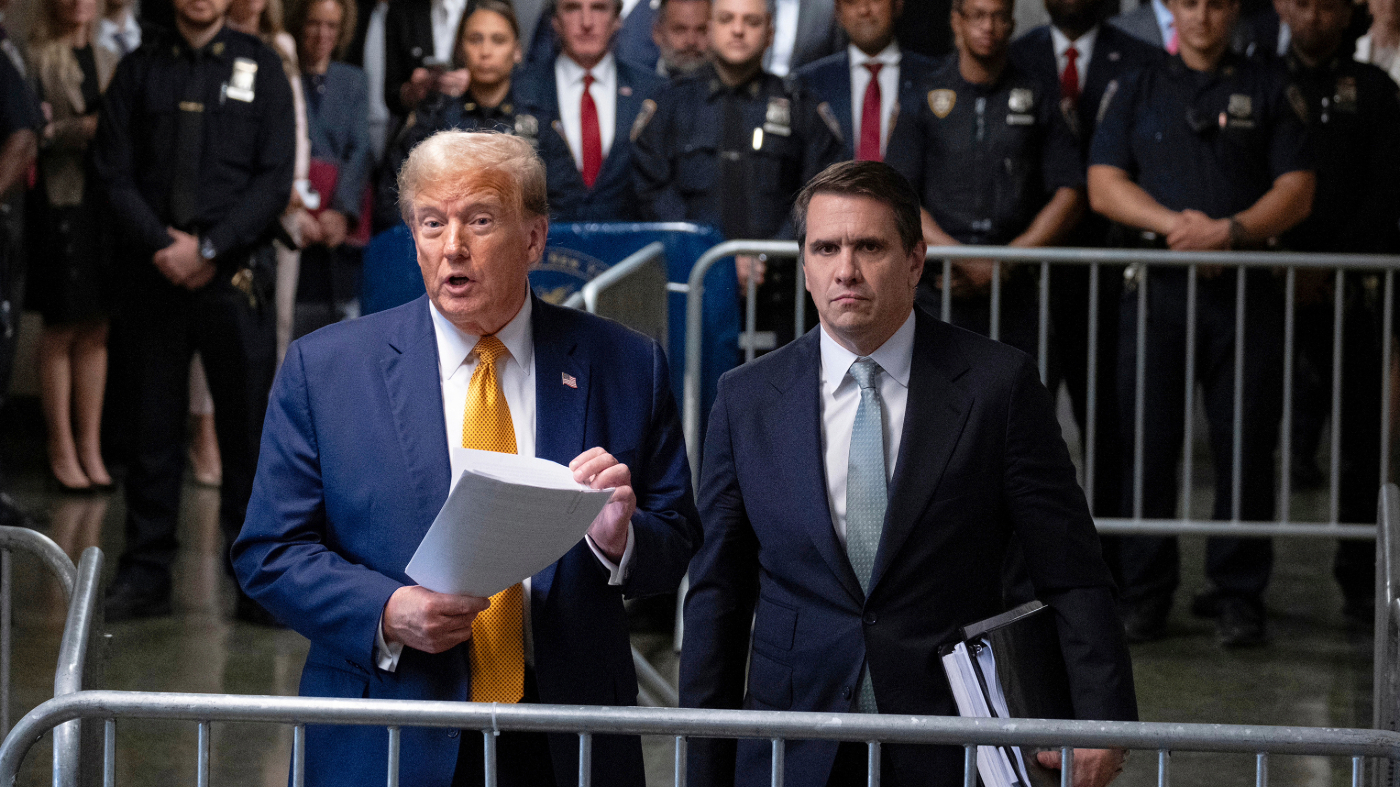
President Trump has expressed openness to keeping the fund active, despite the judicial challenges. His remarks suggest that the administration may view the program as a necessary tool for addressing certain priorities. However, the lack of a formal decision to continue the fund indicates that the administration is still weighing its options. This indecision has created uncertainty among stakeholders, with some fearing the fund’s survival could depend on political considerations rather than legal merit. The situation underscores the tension between executive action and judicial oversight, as well as the role of public opinion in shaping the fund’s fate.
Broader Context of the Legal Battle
The “anti-weaponization” fund has emerged as a symbol of the administration’s efforts to centralize financial control. Its design allows for the allocation of funds without immediate congressional approval, raising concerns about accountability. The Virginia judge’s ruling, combined with the D.C. court’s warning, signals a coordinated legal strategy to challenge the program’s legality. As the litigation continues, the fund’s fate will hinge on its ability to withstand scrutiny. The outcome may influence future debates on executive power and the balance between administrative flexibility and legislative oversight. The case also highlights the role of legal nonprofits in advocating for public accountability, as their efforts have been central to the proceedings.
Conclusion: A Test for Executive Accountability
The indefinite block on the “anti-weaponization” fund marks a critical juncture in the Trump administration’s legal battles over fiscal policies. While the DOJ and the president have not yet formally abandoned the program, the court’s intervention has imposed a necessary pause. This decision ensures that the program’s operations are subject to rigorous examination, reflecting the judiciary’s role in upholding constitutional principles. As the case progresses, the legal landscape surrounding the fund will likely shape broader discussions about executive authority. The outcome may determine whether the program is seen as a legitimate tool for policy implementation or a symbol of regulatory evasion. Regardless of its final resolution, the ruling underscores the importance of judicial oversight in maintaining the integrity of public spending.