SNAP enrollment dropping faster than expected. Here’s why

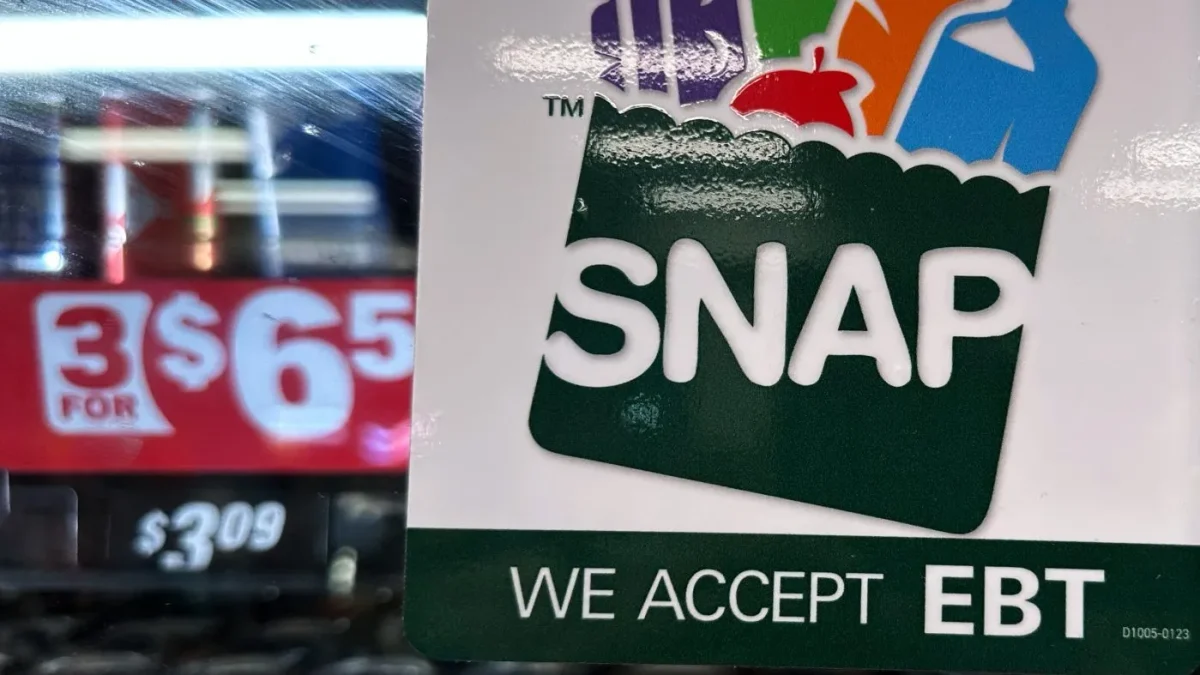
Table of Contents
SNAP Rolls Plummet Past Forecast as New Work Rules Take Effect
Provpnadvice.com – Federal food-assistance enrollment has collapsed at a pace that surprised even the agencies tracking it. Between May 2025 and May 2026, participation in the Supplemental Nutrition Assistance Program fell from 42.2 million households to 36.6 million — a year-over-year decline exceeding 13 percent. The May figures remain preliminary and subject to revision, but the trajectory is unmistakable: the program is shrinking far faster than any official projection anticipated.
The speed of the drop outstrips what the Congressional Budget Office modeled. The nonpartisan office had projected that new eligibility rules and related factors would push enrollment below 34 million by 2036. Yet by May of this year, the number of recipients had already reached a level the CBO expected only by 2030. In other words, the program compressed roughly six years of anticipated decline into a single twelve-month window.
What Drives the Numbers
The precipitating factor is the expanded work requirement embedded in President Trump’s sweeping legislative package — the so-called “one big beautiful bill,” which paired tax cuts with a wholesale restructuring of social-safety-net programs. Under the new rules, most adults who previously enjoyed exemptions from labor conditions must now work, volunteer, or attend school to continue receiving benefits. The requirement now reaches individuals aged 55 through 64 and parents of children between 14 and 17. Those 65 and older, households with children under 14, and people with documented health limitations remain exempt. Groups that had previously been carved out — including people experiencing homelessness — no longer qualify for that carve-out.
Before the change, adults 54 and younger without minor children already faced work conditions. The expansion effectively closes a gap that had sheltered millions of older adults and caregivers of teenagers.
State-Level Variation
The impact has not been uniform. Arizona recorded the steepest decline in the country: a 55 percent drop in enrollment between April 2025 and April 2026, translating to more than 400,000 fewer households receiving benefits. Georgia, Louisiana, and Nevada each posted declines above 20 percent over comparable periods, according to data compiled by the U.S. Department of Agriculture, which administers SNAP nationally.
Florida’s Department of Children and Families framed its own numbers in a public statement, describing the decreasing caseload as “reflective of the state’s strong focus on advancing opportunities for Floridians and their families to achieve economic self-sufficiency.”
Administrative Friction vs. Genuine Economic Mobility
Advocates caution that a meaningful share of the losses stems not from people finding employment but from bureaucratic hurdles — missed renewal deadlines, missing documentation, and overwhelmed state caseworkers struggling to implement rapid rule changes. Tia Fields, who analyzes social-safety-net policy at the advocacy organization Invest in Louisiana, pointed to paperwork rather than work requirements as the dominant factor she observes in her state.
“A lot of it is administrative paperwork,” Fields said.
Reform proponents tell a different story. They argue the roll reductions reflect people earning enough to no longer qualify — evidence that tighter rules are correcting what they describe as widespread fraud in the program.
“If there are people that are leaving the welfare rolls because they’re working and they’re moving forward,” said Rachel Sheffield, a research fellow at the Heritage Foundation, which lobbied for stricter SNAP requirements, “that would be a step forward.”
At present, no one can say with precision how many of the roughly 5.6 million households that exited the program in the past year left because of income gains versus administrative disqualification. The distinction matters for both policy calibration and public understanding.
Scale and Context
SNAP remains the largest federally funded food-aid program in the United States, reaching more than one in ten Americans. Most beneficiaries earn below the federal poverty line. The average monthly benefit, delivered via debit cards restricted to grocery purchases, stands at $344 per household.
Historically, the program has hovered above 40 million monthly recipients for most of the past decade. Since 2010, only two years — 2019 and 2020 — saw the average fall below that threshold. Enrollment peaked at 43.3 million in October 2024 before beginning its descent. The acceleration since last year’s implementation of the new legislation marks a clear structural break from prior trends.
What Comes Next
Another pressure point looms. Beginning in October 2027 — though Congress has floated a delay — states will be required to shoulder a portion of benefit costs if their payment-error rate (instances where recipients receive more or less than their correct allotment) exceeds 6 percent. Recipient advocates warn that some state agencies may respond by denying benefits outright rather than risk incurring the financial penalty, effectively tightening eligibility beyond what federal rules mandate.
The expanded work requirement has already taken effect across most of the country, though a handful of jurisdictions will not begin enforcement until next year. As those final states come online, enrollment figures are likely to dip further before any stabilization occurs. Whether the program ultimately settles near the CBO’s long-run projection of 34 million — or slides lower — will depend on how states navigate the administrative transition, how courts interpret the new exemptions, and whether the cost-sharing mechanism produces the chilling effect advocates fear.
For now, the data tell a story of rapid contraction. The reasons behind each lost household remain, in many cases, unresolved.
Related Reading
Frequently Asked Questions
What is SNAP enrollment dropping faster than expected?
SNAP enrollment dropping faster than expected is the main topic of this guide. The article explains the context, practical details, and next steps readers should understand.
Why does SNAP enrollment dropping faster than expected matter?
SNAP enrollment dropping faster than expected matters because readers are looking for a useful answer, not just a short summary. Good content should match search intent and help them decide what to do next.