Trump lifts summer gasoline restrictions early as prices remain stubborn

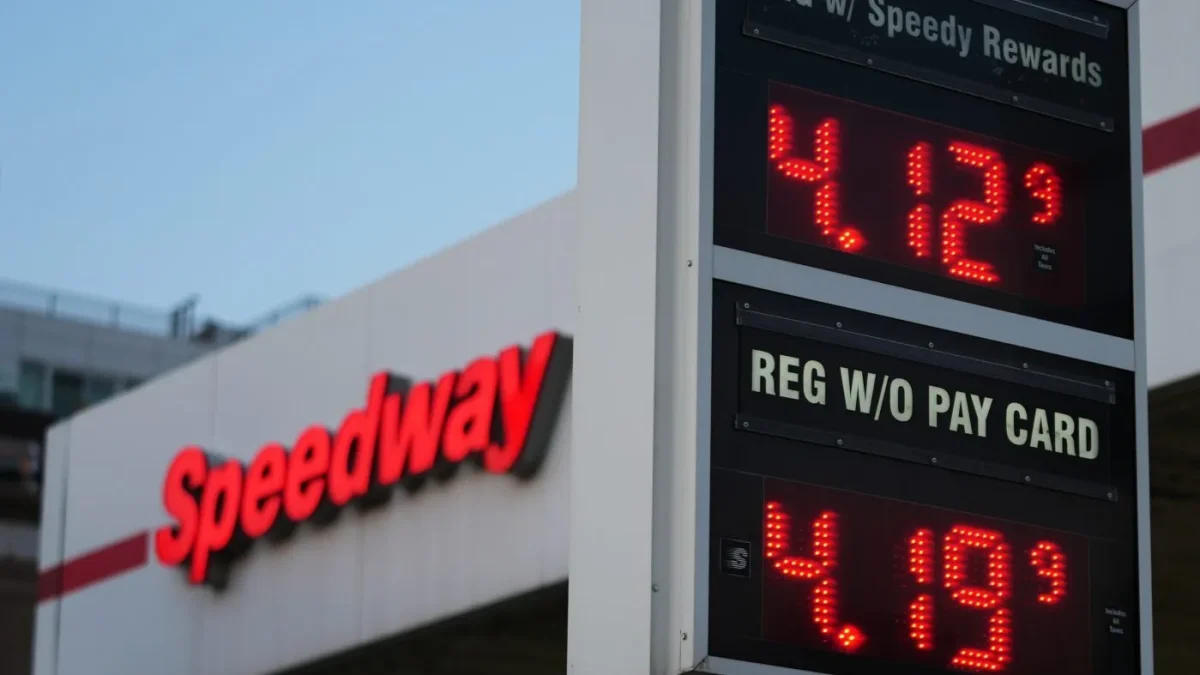
Table of Contents
Gasoline Prices Near $4.10 Prompt EPA to Pull Forward Summer Fuel Waiver
Provpnadvice.com – With pump prices hovering around $4.10 per gallon and geopolitical tensions continuing to squeeze global oil markets, the Environmental Protection Agency moved Thursday to loosen a long-standing summer fuel rule. The agency issued a waiver permitting refiners and distributors to sell gasoline formulated with a higher Reid Vapor Pressure — essentially a more volatile blend — beginning September 1, roughly two weeks ahead of the date normally permitted under federal regulations.
The decision, framed by the administration as a consumer-relief measure, arrives at a moment when American drivers are already feeling the pinch of elevated fuel costs. The average retail price tracked by AAA stood at approximately $4.10 per gallon on the day the waiver was announced, a figure that has climbed steadily since the conflict in Iran disrupted shipping lanes through the Strait of Hormuz, one of the world’s most critical petroleum chokepoints.
What the Waiver Actually Changes
Under standard EPA rules, gasoline sold during the warm months must meet stricter volatility limits. The rationale is straightforward: hotter temperatures accelerate the evaporation of lighter hydrocarbons in fuel, and those vapors react with nitrogen oxides in sunlight to form ground-level ozone — the component of smog most associated with summer air-quality alerts in urban corridors. By capping the Reid Vapor Pressure of summer blends, regulators aim to keep evaporative emissions within bounds.
The waiver does not eliminate the rule outright. It simply advances the calendar date at which the less-restrictive, higher-volatility blend may re-enter the supply chain. Normally, that transition occurs around mid-September, once ambient temperatures begin to moderate. Under the Thursday action, refiners can begin blending and distributing the more volatile formulation as early as the first of the month, effectively adding a two-week window of additional supply flexibility.
Scale of the Supply Effect
EPA officials characterized the incremental supply gain as amounting to “hundreds of thousands” of barrels per day. To put that figure in perspective, total U.S. gasoline consumption averaged 8.9 million barrels per day across 2025. The waiver’s contribution, while nontrivial at the margin, represents a modest fraction of overall throughput — a stopgap rather than a structural shift in market balance.
Market analysts have noted that the timing of such waivers can influence short-term trading positions at refineries and terminals, particularly when crude differentials between domestic and imported barrels are already stretched. By allowing a slightly heavier, more aromatic blend to circulate earlier, the waiver also nudges refinery scheduling toward configurations that may have been deferred under the stricter summer specification.
The Iran Factor and Strait of Hormuz Volatility
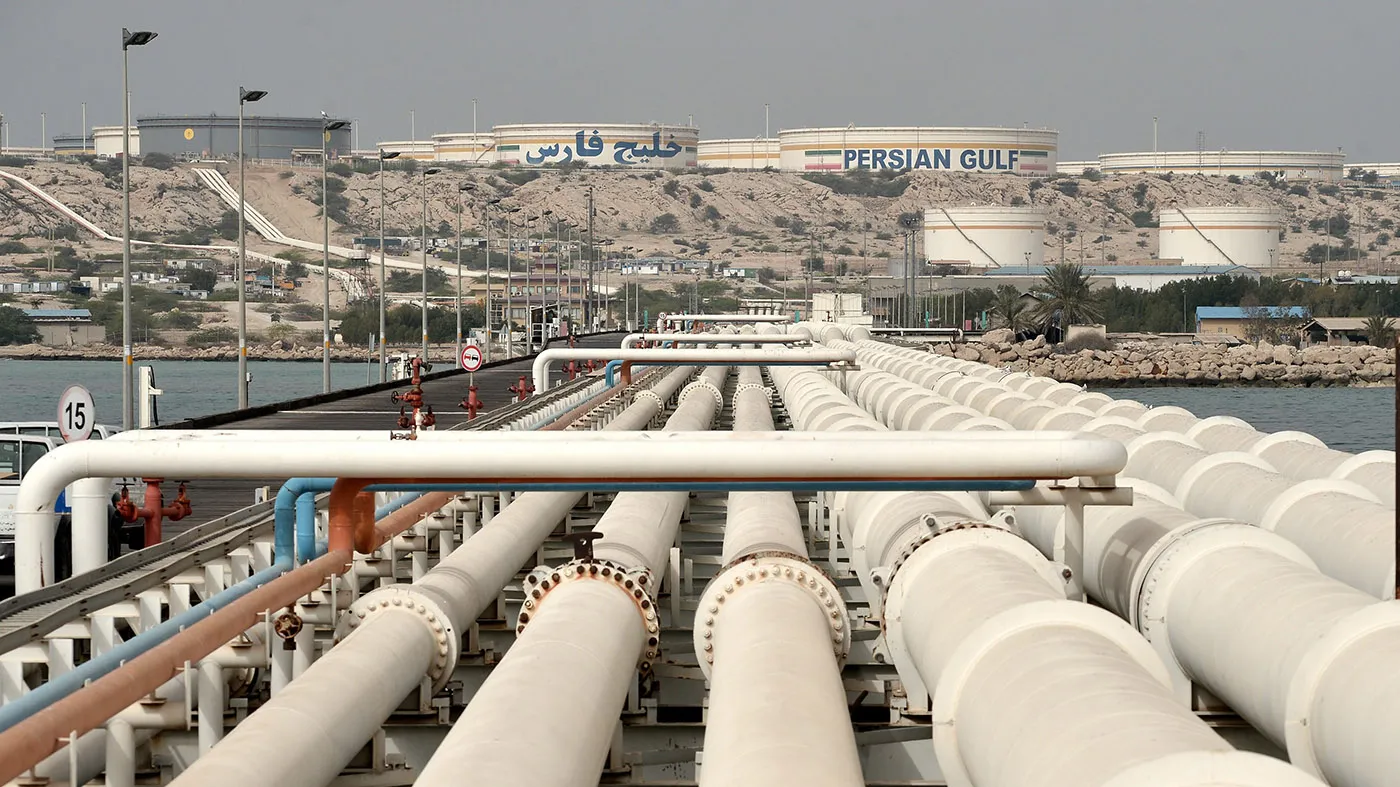
The broader backdrop for Thursday’s action is the ongoing military conflict in Iran, which has introduced sustained uncertainty into the flow of crude oil through the Strait of Hormuz. Roughly a fifth of global petroleum trade transits that narrow waterway, and any disruption — whether from direct hostilities, insurance premium spikes, or precautionary rerouting — feeds through quickly to refined-product prices. Gasoline, as the most immediately visible petroleum product for consumers, absorbs that shock within days.
For American drivers, the transmission mechanism is direct: higher crude costs raise the wholesale price of finished gasoline, which retailers pass through to pump prices with only a short lag. The administration’s stated objective is to blunt that pass-through, even marginally, by widening the supply side of the equation during a period of constrained availability.
Administration Framing
EPA Administrator Lee Zeldin defended the waiver in a written statement, describing the agency’s intent to
“provide relief at the pump and fortify our gasoline supply chain.”
The language echoes a broader pattern in which the current administration has sought to use regulatory flexibility — waivers, expedited permitting, and accelerated approvals — as a tool for short-term economic stabilization. Critics of such measures have historically raised questions about cumulative air-quality impacts, particularly in downwind communities near major refining complexes, though the two-week advance in blend transition is a comparatively narrow adjustment.
What Drivers Should Expect
For the average consumer, the practical effect of the waiver will be difficult to isolate from the many other variables moving the price needle simultaneously: crude futures, refinery maintenance schedules, seasonal demand cycles, and the ongoing geopolitical premium embedded in Hormuz-linked cargoes. A two-week shift in blend availability is unlikely to produce a visible, measurable drop at the pump in any given neighborhood.
Nevertheless, the move signals that the administration views current price levels as politically and economically untenable and is willing to bend a regulatory calendar to ease pressure. Whether that posture extends to further waivers, export-policy adjustments, or strategic petroleum reserve releases will depend on how quickly the Iran conflict stabilizes and how long the Hormuz premium persists in global oil markets.
For now, the waiver stands as a modest, time-limited relaxation of summer fuel rules — a regulatory dial turned slightly counterclockwise in an effort to keep the needle from redlining at the gas station.
Related Reading
Frequently Asked Questions
What is Trump lifts summer gasoline restrictions early?
Trump lifts summer gasoline restrictions early is the main topic of this guide. The article explains the context, practical details, and next steps readers should understand.
Why does Trump lifts summer gasoline restrictions early matter?
Trump lifts summer gasoline restrictions early matters because readers are looking for a useful answer, not just a short summary. Good content should match search intent and help them decide what to do next.