Supreme Court asked to review Texas’s Ten Commandments requirement for schools

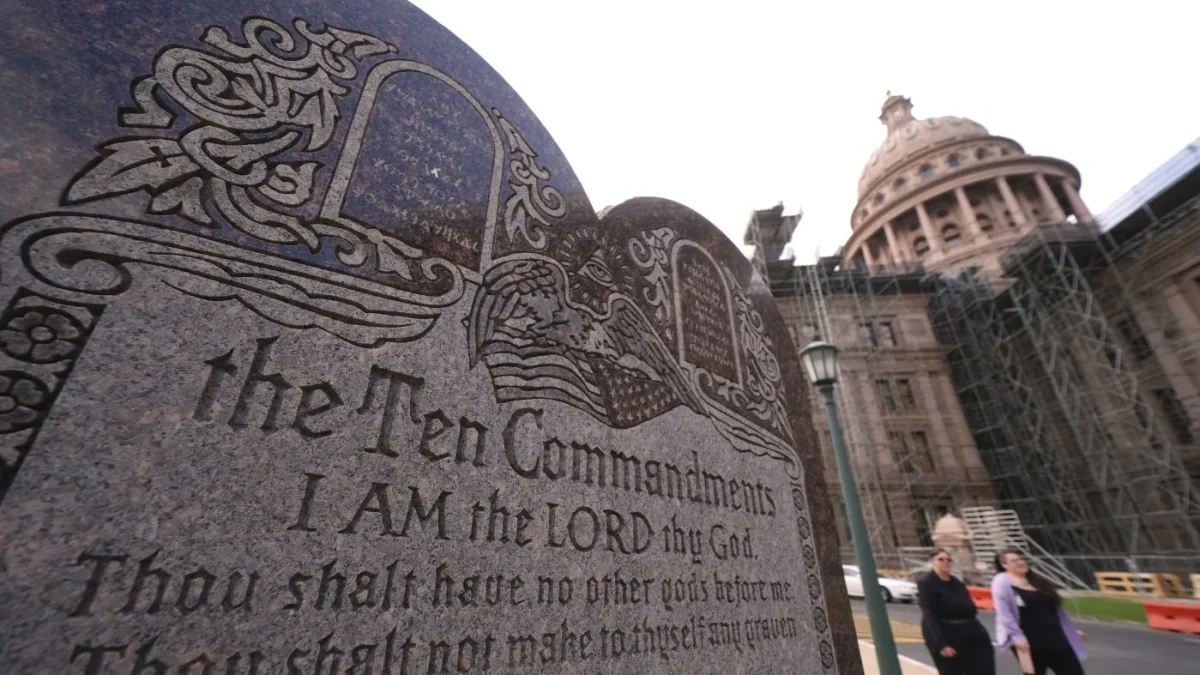
Table of Contents
Ten Commandments Mandate in Texas Classrooms Heads to Supreme Court
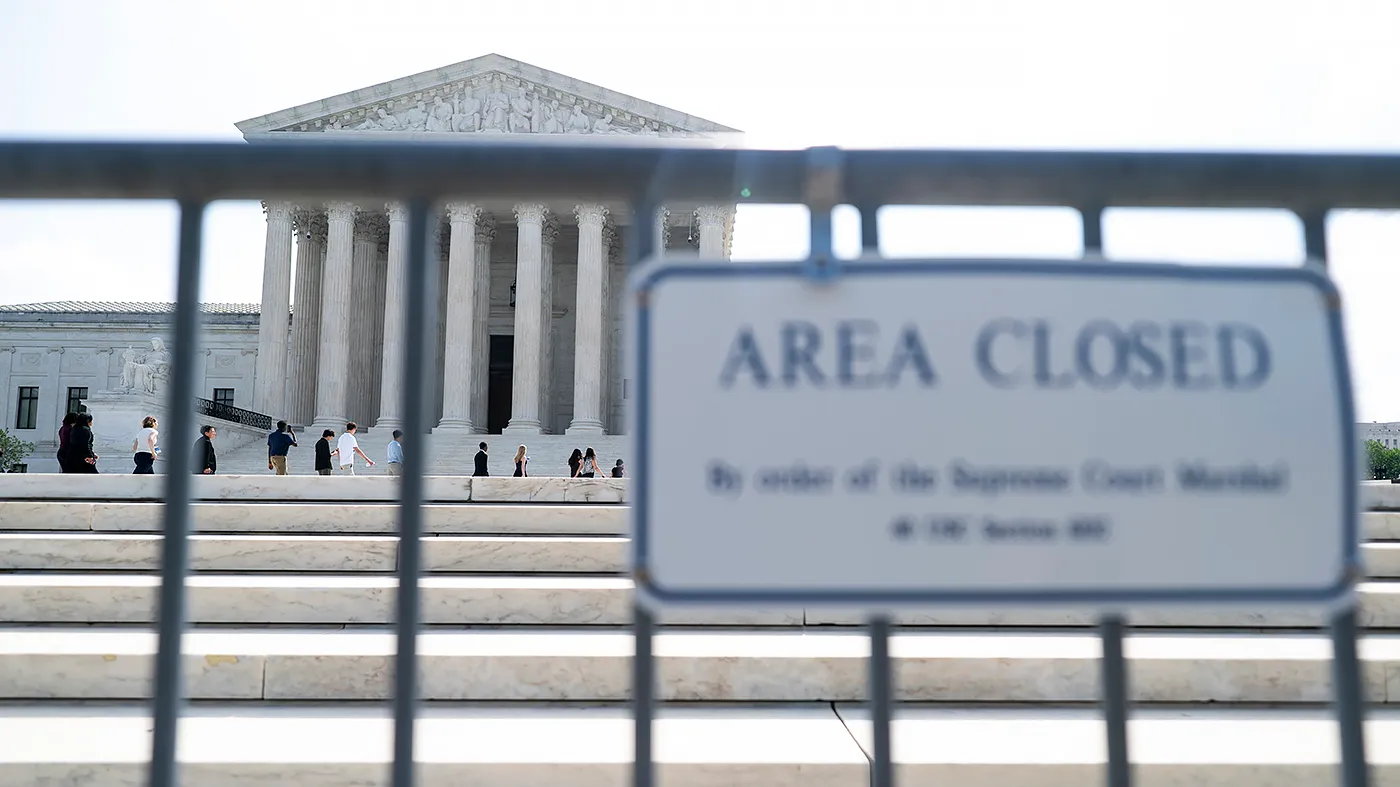
Provpnadvice.com – A legal fight over whether public school walls must bear the words of the Ten Commandments has reached the doorstep of the nation’s highest court. The American Civil Liberties Union filed a petition on Monday asking the justices to review a Texas statute that compels every elementary and secondary school classroom in the state to display a conspicuous panel listing the biblical commandments. The organization, representing parents of diverse religious backgrounds, argues the requirement runs afoul of the First Amendment’s guarantee of religious freedom.
The Statute and Its Practical Reach
Passed by state lawmakers last year, the Texas law goes beyond a simple suggestion. It mandates that classrooms house a visible display of the Ten Commandments and prescribes specific dimensions and formatting requirements for the panel. The obligation applies across the entire public school system, from kindergarten through twelfth grade, making it one of the most sweeping religious-display mandates enacted by any state legislature in recent years.
Texas is not acting alone. Several other Republican-led states have adopted comparable measures requiring public school rooms to feature the commandments. In Arkansas, a federal judge struck down a parallel statute as unconstitutional, signaling that lower courts remain divided on how far a state may push religious text into compulsory classroom settings.
The ACLU’s Constitutional Argument
The civil liberties organization contends that compelling a specifically Christian formulation of the commandments into every public classroom amounts to state endorsement of one faith tradition over others. In its petition, the ACLU argued that the Fifth Circuit’s decision upholding the Texas law created a direct conflict with established Supreme Court precedent on the Establishment Clause and muddied the legal landscape for lower courts navigating religious-display questions.
“In doing so, it not only decided these cases in a way that conflicts with this Court’s precedents but also deepened confusion among the lower courts over how this Court’s Establishment Clause jurisprudence applies,” the ACLU wrote in its Supreme Court petition.
The plaintiffs include parents of different denominations who object to having a single religious text imposed on their children’s learning environment. Joshua Fixler, a rabbi and parent from Houston who is among the challengers, voiced the personal dimension of the dispute:
“As a rabbi and parent, forcing a Christian version of the Ten Commandments on children in every classroom is particularly upsetting.”
Procedural Posture and What Comes Next
The petition had not yet appeared on the Supreme Court’s public docket at the time of filing. The ACLU confirmed the document was submitted on Monday. The justices, who accept only a small fraction of the thousands of cases seeking their review, are expected to weigh whether to take up the matter during a closed-door conference held after the court’s next term opens this fall. If granted, the case would return to the bench after a full briefing cycle, potentially placing a decision on the calendar for the following term.
Before reaching the Supreme Court, the challenge traveled through the federal courts. The U.S. Court of Appeals for the Fifth Circuit sided with Texas, concluding the statute could remain in force. That ruling set up the circuit-level disagreement the ACLU now asks the justices to resolve.
A Court Already Deep in Religious-Display Territory
This petition lands amid a string of recent decisions in which the Supreme Court’s conservative majority has narrowed the scope of Establishment Clause restrictions in public life. Last year, the court ruled 6-3 in favor of parents in Montgomery County, Maryland, who sought to exempt their children from classroom instruction built around books featuring LGBTQ themes. In 2022, the same majority upheld the right of a high school football coach to lead postgame prayers from the fifty-yard line after games, even though he was acting in his official capacity as a school employee.
Together, those rulings have shifted the doctrinal center of gravity toward greater tolerance for religious expression in government-adjacent settings. The Texas Ten Commandments case will test how far that shift extends: whether a state may not merely permit but require a particular religious text to occupy the visual space of every public classroom, effectively making the commandments a fixture of daily instruction for millions of students regardless of their family’s faith.
Why the Distinction Matters
Legal scholars note that the Establishment Clause has long drawn a line between passive monuments and active governmental compulsion. A privately placed display on public land, as in the 2005 Van Orden v. Perry decision, received different treatment than a state-mandated posting inside a compulsory-attendance institution. The Texas statute sits squarely on the latter side of that divide, which is precisely why the ACLU frames its challenge as a question of compelled religious expression directed at a captive audience of schoolchildren.
If the justices accept the case, the outcome will shape whether future states can codify religious text into the physical infrastructure of public education. If they decline, the Fifth Circuit’s green light for Texas’s mandate will stand as the operative rule, and other states with pending or contemplated similar laws will likely follow suit.
Related Reading
Frequently Asked Questions
What is Supreme Court asked to review Texas?
Supreme Court asked to review Texas is the main topic of this guide. The article explains the context, practical details, and next steps readers should understand.
Why does Supreme Court asked to review Texas matter?
Supreme Court asked to review Texas matters because readers are looking for a useful answer, not just a short summary. Good content should match search intent and help them decide what to do next.