Supreme Court rejects Trump’s long-shot effort to overturn E. Jean Carroll verdict


Table of Contents
Carroll Verdict Becomes Final After Supreme Court Closes Last Door on Trump’s Appeal
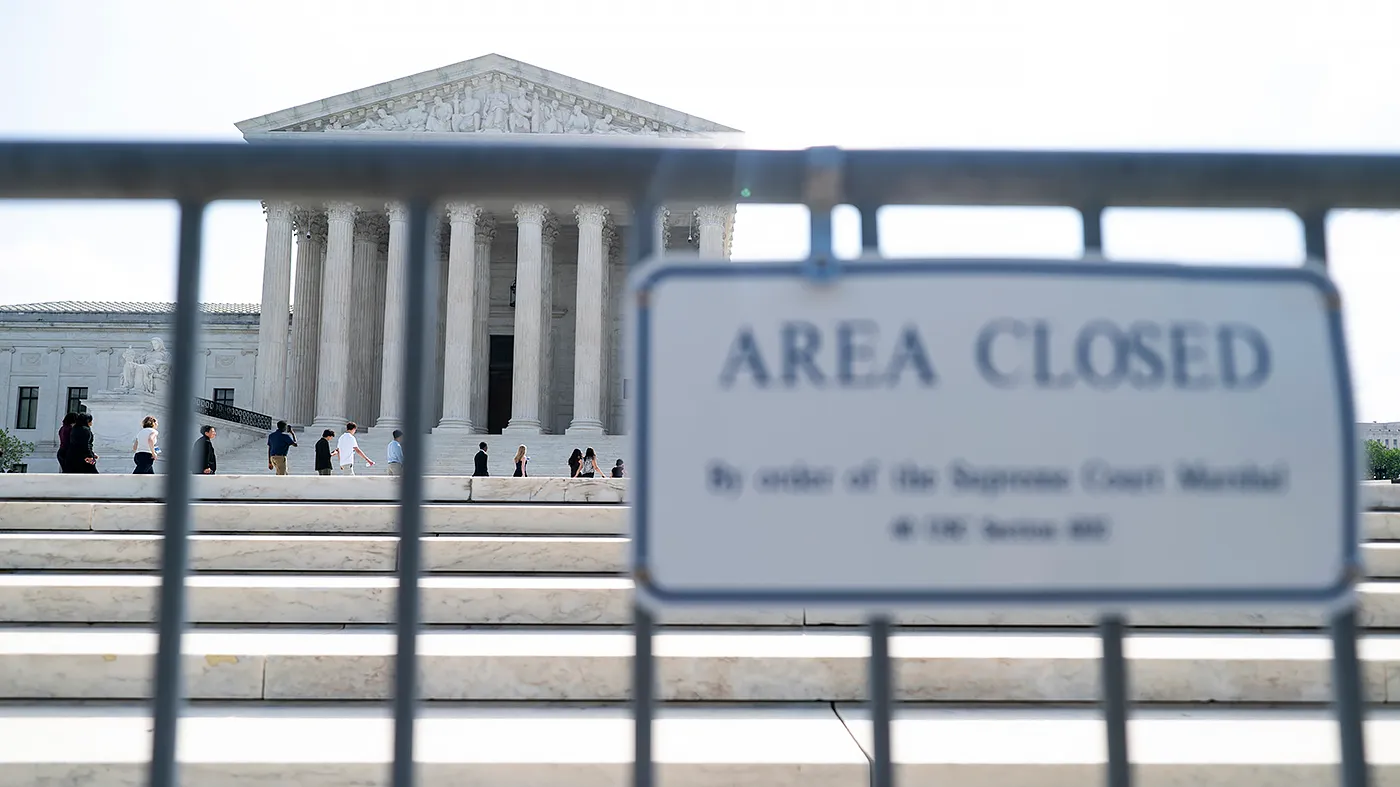
Provpnadvice.com – The $5 million judgment against President Donald Trump for sexual abuse and defamation has now reached the point of no return. On Monday, the Supreme Court issued a brief, unsigned order denying the president’s petition for rehearing, effectively sealing the outcome of the most consequential civil trial of his post-presidential years. The ruling arrived without explanation, without any justice filing a dissent, and without so much as a footnote acknowledging the request. In practical terms, the verdict is unassailable in every American court.
A Petition That Was Always a Long Shot
The rehearing request came after the justices had already turned down Trump’s appeal in June, declining to hear the case on the merits. Under the Court’s own procedural rules, a rehearing petition is granted only when some substantial “intervening circumstance” has emerged since the original decision — a new statute, a landmark ruling in a parallel matter, or a factual development that fundamentally alters the legal landscape. In modern practice, such petitions are granted with extraordinary rarity. Monday’s one-sentence denial confirmed that no such circumstance existed, at least in the eyes of the nine justices.
Trump’s original appeal had argued that jurors at the first trial were improperly exposed to testimony from other women who had made sexual-assault allegations against him, and that this contamination tainted the verdict. The Court declined to take up that argument, and Monday’s order left that decision untouched.
How the Case Reached the Highest Court
E. Jean Carroll, a longtime advice columnist and novelist, first went public with her account during Trump’s first term in office. She described being sexually assaulted by the then-candidate in the 1990s inside a Manhattan luxury department store, an encounter she said left lasting physical and emotional consequences. Trump has consistently denied her account, calling it fabricated. Carroll pursued two separate civil actions: one for sexual abuse and one for defamation. Both went to trial, and both juries returned unanimous verdicts in her favor.
The first jury awarded $5 million, finding Trump liable for both sexual abuse and defamation. The second jury, addressing additional defamation claims, returned a far larger figure of $83.3 million. Carroll received the first payout, together with accrued interest, last month. The second verdict, however, remains in appellate limbo, with its own Supreme Court petition still pending.
The Presidential Immunity Thread
In pressing for a rehearing, Trump’s lawyers pointed to a strategic consideration: his broader presidential-immunity defense, which is being litigated in other matters before the Court. Their argument was that if the justices ultimately rule in his favor on immunity, that holding would cast a shadow over the Carroll verdict as well, making it prudent to hold the petition in abeyance until the immunity question was resolved.
“That is a paradigmatic reason to at least hold a petition,” the president’s lawyers wrote in their filing.
“When a forthcoming or pending case may affect the proper disposition of another petition, the Court may hold the related petition, and later resolve it in light of the lead case,” they added.
The Court was unmoved. By denying the rehearing outright rather than holding the petition, the justices signaled that they saw no need to wait on the immunity question before letting the first verdict stand. Whether that posture will change once the immunity ruling actually lands remains an open question, but for now the $5 million judgment is locked in.
Reactions From Both Camps
Roberta Kaplan, Carroll’s lead trial attorney, framed the Monday order as the definitive end of a years-long legal battle.
“We are pleased that the United States Supreme Court has declined again to hear this case,” Kaplan said in a statement. “As a result, the jury’s unanimous verdict that Donald Trump sexually assaulted and then defamed E. Jean Carroll is now final and cannot be challenged in any court.”
On the other side, a spokesperson for Trump’s legal team issued language that departed sharply from the restrained tone of the court filings.
“The American People stand with President Trump as they demand an immediate end to all of the Witch Hunts, including the Democrat-funded travesty of the Carroll Hoaxes,” the spokesperson said. “President Trump will keep winning against Liberal Lawfare, as he continues to focus on his mission to Make America Great Again.”
What Remains and Why It Matters
The second trial’s $83.3 million defamation judgment is still alive in the appellate process. Its Supreme Court petition is pending on a slower timeline, and its ultimate fate may well be shaped by whatever the Court decides on presidential immunity. If Trump prevails on that question, the second verdict could be vacated or remanded; if he loses, the larger sum becomes collectible. Either way, the first verdict — the one that found him personally liable for sexual abuse — is now beyond judicial review.
For Carroll, a writer who has spent decades dispensing advice to readers on matters of relationships and self-worth, the finality of the ruling carries a weight that extends beyond the dollar figure. It represents a jury’s unanimous determination, affirmed at every level of the federal court system, that her account was credible and that the president was accountable. For the broader legal landscape, the episode underscores how rarely the Supreme Court will reopen a case once it has declined to hear it, and how the procedural architecture of rehearing petitions functions as a near-absolute barrier to second chances at the highest tribunal in the land.
Related Reading
Frequently Asked Questions
What is Supreme Court rejects Trump s long?
Supreme Court rejects Trump s long is the main topic of this guide. The article explains the context, practical details, and next steps readers should understand.
Why does Supreme Court rejects Trump s long matter?
Supreme Court rejects Trump s long matters because readers are looking for a useful answer, not just a short summary. Good content should match search intent and help them decide what to do next.