Moore says Trump’s response to reported USS Abraham Lincoln conditions ‘pisses me off’

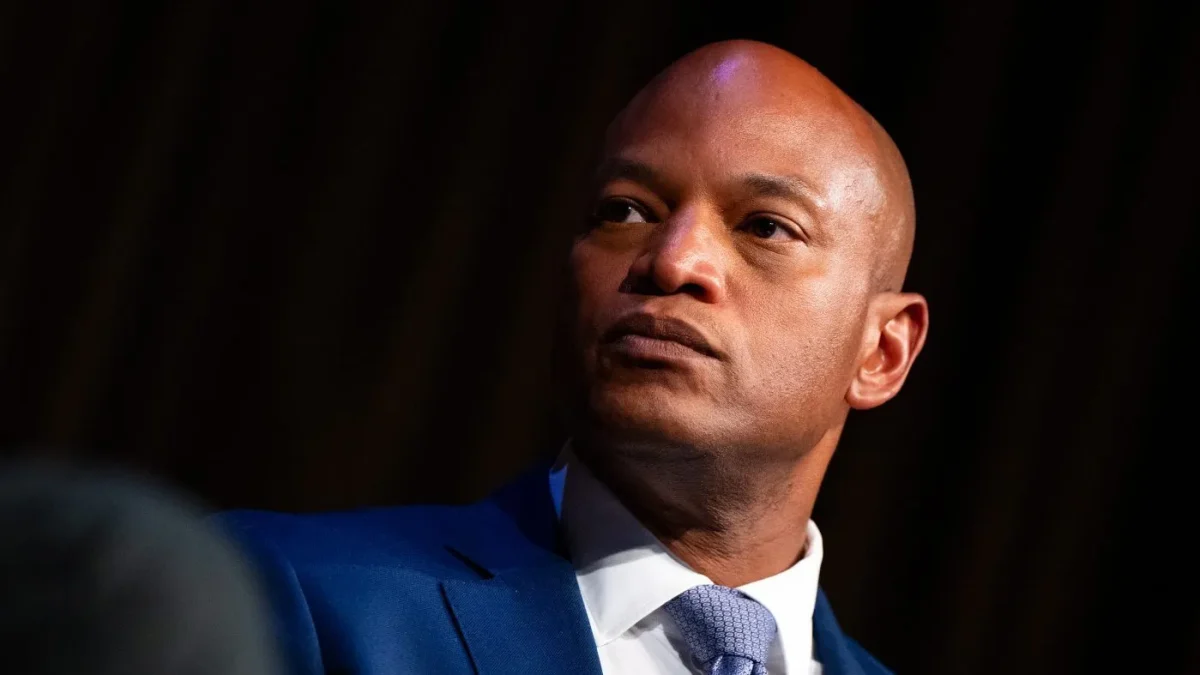
Table of Contents
Moore Says Trump’s Response ‘Pisses Me Off’
Provpnadvice.com – The dispute over conditions aboard the USS Abraham Lincoln took a sharp political turn on Sunday when Maryland Governor Wes Moore told CNN that what he called the president’s dismissive reaction to sailors’ hardship made him furious. In an interview on “State of the Union” with Jake Tapper, Moore — an Army veteran who served in Iraq after graduating from Johns Hopkins University — argued that the commander-in-chief’s tone signaled a dangerous indifference toward service members and their families.
A Governor’s Personal Grievance
Moore did not soften his language. He separated his frustration into two distinct threads: sorrow over what crew members were enduring, and anger at how the White House chose to frame the story. “Not only are these conditions and the reports of the conditions heartbreaking,” he told Tapper. “The response of the president of the United States pisses me off. And it should piss all of us off.”
“I would have hoped that, since he’s never been forward-deployed, since he’s never put on the uniform and sacrificed for this country, that he would have more compassion for the people who are willing to offer their loved ones to this country because they love this country so much.”
The governor’s own military history gives his remarks added force. After completing his degree at Johns Hopkins, Moore enlisted in the U.S. Army and deployed to Iraq. That experience, he implied, makes it impossible for him to treat presidential minimization as a mere political disagreement; he reads it as a slight on every person who has volunteered for combat duty.
The President’s Friday Dismissal
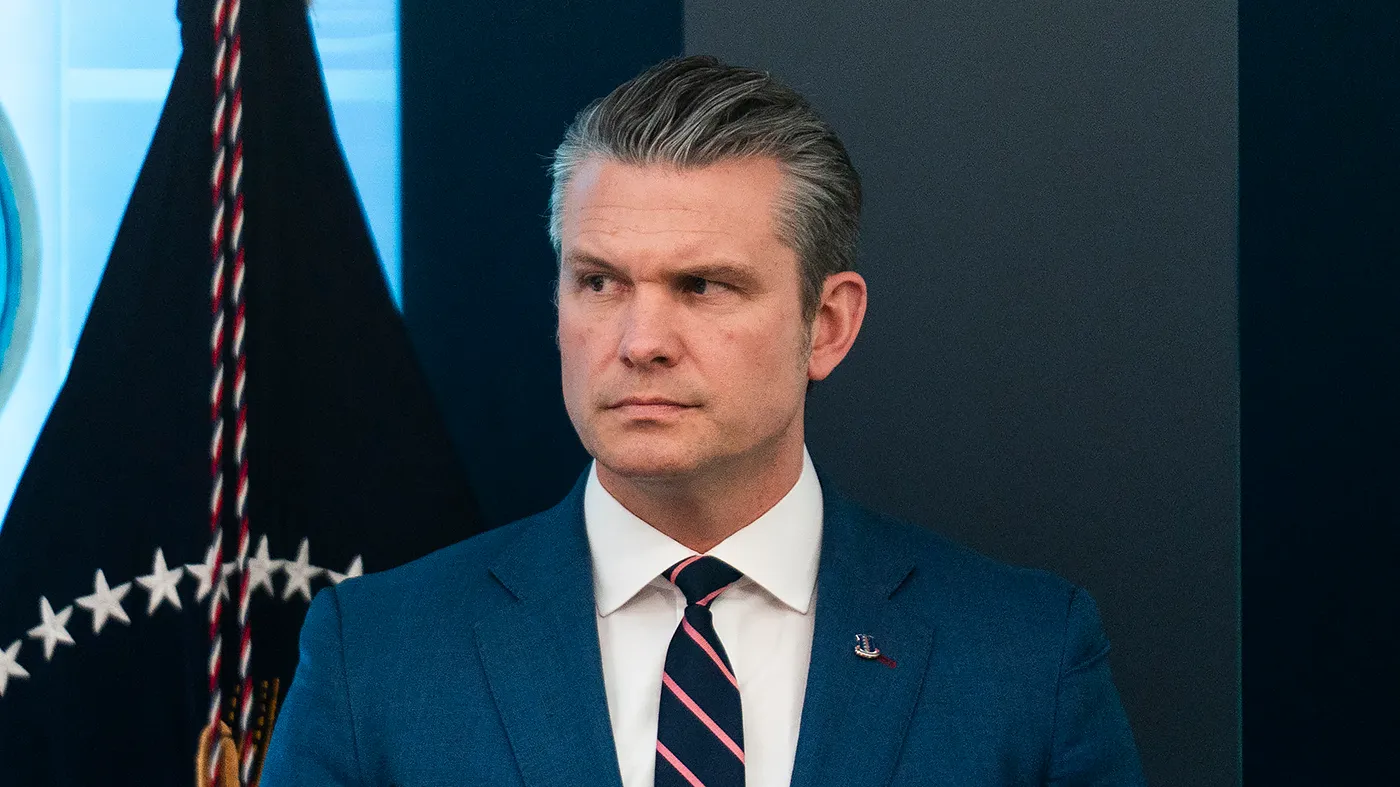
The comments that triggered Moore’s outburst came two days earlier. On Friday, reporters pressed Trump about news accounts describing deteriorating conditions aboard the Lincoln. Rather than acknowledge sailors’ complaints or reassure anxious families, the president rejected the premise outright: “No, they’re not,” he said, apparently referring to family members of crew and embarked personnel.
“That ship is moving right now, or very shortly and is being replaced with another very similar ship.”
The logistical reassurance pointed to a swap already in motion. The USS George Washington, another Nimiti-class aircraft carrier, was sailing toward the Middle East to assume the Lincoln’s mission. Carrier rotations of this kind are routine in peacetime operations, yet the timing — after more than 200 consecutive days at sea without an extended port call — made the exchange read less like standard procedure and more like an emergency correction.
What Two Hundred Days Without Port Means Aboard
The Lincoln departed San Diego in November on what was intended to be a conventional deployment cycle of roughly six months. The ship has now been continuously at sea for over 200 days without an uninterrupted break. For the approximately 5,000 people housed inside a confined steel hull, that translates into compressed rest cycles, limited shore leave, and cumulative fatigue that compounds every other stressor on board.
Recent reporting highlighted two broad categories of hardship: mental-health deterioration among sailors, including rising rates of anxiety and depression symptoms, and supply-chain failures affecting food quality, laundry services, and maintenance parts. In a vessel of that size and density, such problems do not remain isolated; they ripple through morale, readiness, and ultimately mission effectiveness.
Congressional Calls for an Independent Inquiry
Democratic members of Congress moved quickly to convert the story into oversight. Several lawmakers have called for a formal investigation into the state of the Lincoln, arguing that Navy internal reporting may not have surfaced problems fast enough and that families deserved transparency before media outlets broke the details. The push mirrors a broader pattern in recent years: after high-profile shipboard incidents, legislators demand independent review to determine whether command-level decisions delayed corrective action.
Frequently Asked Questions
Who is Wes Moore and why does his background matter here?
Moore is the governor of Maryland and a U.S. Army veteran who served in Iraq after earning his degree from Johns Hopkins University. His military experience shapes how he interprets claims about shipboard hardship and why he treats presidential minimization as a personal slight on service members.
What was Trump’s actual response to the Lincoln reports?
On Friday, when pressed by reporters, Trump said families were not worried (“No, they’re not”) and noted that the carrier was already moving toward replacement by another ship. He did not acknowledge specific complaints about conditions or mental-health concerns.
What is replacing the USS Abraham Lincoln?
The USS George Washington, a Nimiti-class aircraft carrier, is sailing to assume the Lincoln’s mission in the Middle East. The swap follows more than 200 consecutive days at sea for the Lincoln.
What specific conditions have been reported aboard the Lincoln?
Recent news accounts describe rising rates of anxiety and depression symptoms among sailors, along with supply-chain problems affecting food quality, laundry services, and maintenance parts. The ship houses roughly 5,000 people in a confined space, amplifying the impact of each issue.
Has Congress taken formal action?
Several Democratic lawmakers have called for a formal investigation into the state of the Lincoln and whether Navy internal reporting surfaced problems quickly enough. No independent inquiry had been formally launched as of the time of reporting.