Iran rejects Trump’s ‘delusions’ on making Strait of Hormuz a US territory

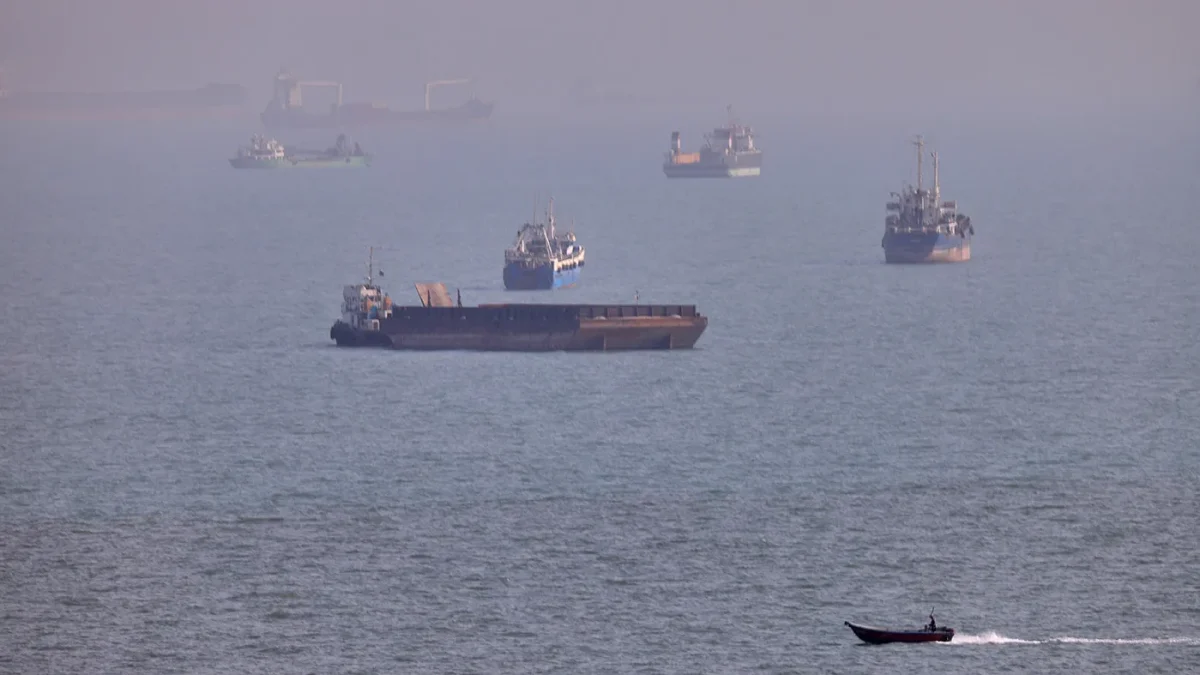
Table of Contents
Iran Firmly Dismisses American Claims Over Strategic Waterway
Provpnadvice.com – Tehran has issued a strong rebuttal to President Donald Trump’s recent declaration that he intends to transform the Strait of Hormuz into an American possession. The Iranian government maintained that decisions regarding the opening and closing of this critical maritime passage will continue to rest entirely within Iranian authority, regardless of Washington’s assertions.
The diplomatic exchange unfolded on Saturday when Iranian officials responded to Trump’s bold statement made during a speech at a New York police academy the previous day. The president had suggested that American control over the waterway was imminent, despite the fact that the strait currently operates under a shared jurisdiction between Iran and Oman.
Official Iranian Response
Kazem Gharibabadi, serving as Iran’s Deputy Foreign Minister, took to the social media platform X to articulate Tehran’s position clearly. His message emphasized that the United States lacks any legitimate authority to unilaterally claim ownership of the strategic passage.
“The Strait of Hormuz has been Iranian, is Iranian, and will remain Iranian,” Gharibabadi wrote in a statement originally composed in Persian and subsequently translated into English. “This strait will only be closed and opened under Iran’s command.”
The deputy foreign minister further clarified that Iran’s blockade of the waterway, which transports approximately one-fifth of global oil supplies, will persist as long as Washington refuses to acknowledge what Tehran considers the reality of its position. Gharibabadi characterized American claims as stemming from what he described as “delusions” rather than factual understanding of the situation on the ground.
Trump’s Repeated Assertions
The president has not been shy about his intentions regarding the strait. During his Friday address in New York, Trump stated plainly that he would soon declare the Hormuz Strait a territory of the United States. This claim builds upon his previous actions, as he has already deployed a U.S. naval blockade of the waterway twice throughout the ongoing conflict.
“We have control over it. Nobody else. Only us. Our Navy is unbelievable, and things are going great for our country,” Trump told reporters on Tuesday, reinforcing his position that American dominance over the passage is both established and undeniable.
Expert Skepticism
Not everyone shares Trump’s confidence in American control. Richard Haass, a former U.S. diplomat, has publicly challenged the president’s assertion, maintaining that no single nation exercises complete authority over the Strait of Hormuz. Similarly, Fox News host Bret Baier has noted that maritime traffic through the waterway has diminished significantly, describing the flow as having slowed “to a trickle” despite official claims of American control.
Historical Context and Current Situation
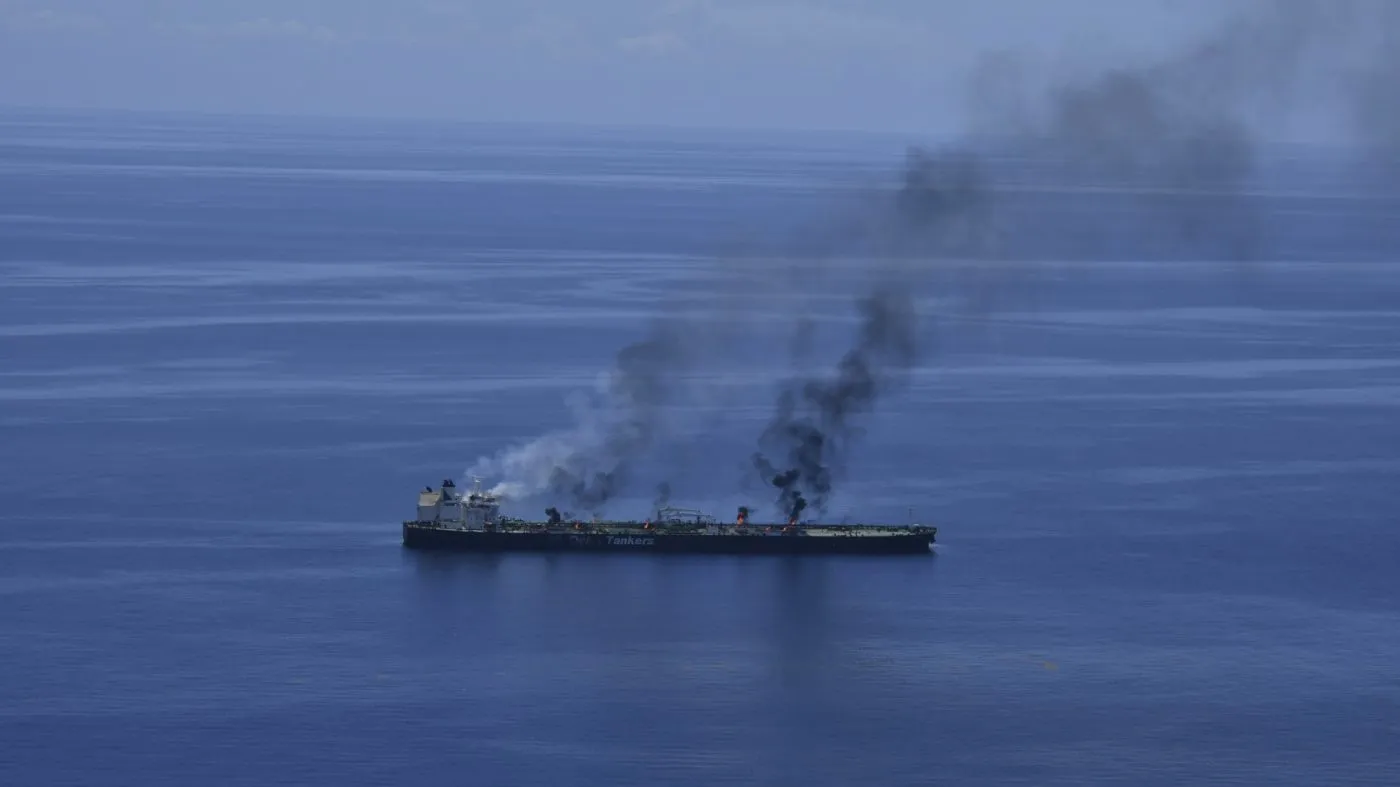
The strategic importance of the Strait of Hormuz cannot be overstated. Prior to the outbreak of hostilities on February 28, 2026, approximately twenty percent of the world’s oil and gas reserves passed through this narrow channel. The conflict began after the United States and Israel launched coordinated attacks, prompting Iran to initiate its closure of the waterway.
The consequences have been immediate and substantial. Global energy prices surged following Iran’s decision to restrict passage, and maritime traffic has experienced dramatic declines. Ship-tracking company Kpler reported that only six vessels managed to navigate through the strait during the most recent weekend, a stark contrast to the typical daily transit of 130 to 140 ships before the war commenced.
Geopolitical Implications
The dispute over the Strait of Hormuz extends beyond mere territorial claims. The waterway serves as a vital artery for international commerce, connecting the Persian Gulf to the Arabian Sea and ultimately to global markets. Any disruption to its normal operations reverberates through economies worldwide, affecting everything from fuel prices to industrial production.
Iran’s determination to maintain control reflects its broader strategy of leveraging geographic advantages in regional conflicts. By positioning itself as the gatekeeper of this critical passage, Tehran has gained significant diplomatic and economic leverage against both Western powers and regional adversaries.
The ongoing tension between Washington and Tehran over the strait’s status highlights the complex nature of modern international relations, where traditional notions of territory and sovereignty continue to evolve in response to shifting power dynamics and strategic interests.
Related Reading
Frequently Asked Questions
What is Iran rejects Trump s delusions on making?
Iran rejects Trump s delusions on making is the main topic of this guide. The article explains the context, practical details, and next steps readers should understand.
Why does Iran rejects Trump s delusions on making matter?
Iran rejects Trump s delusions on making matters because readers are looking for a useful answer, not just a short summary. Good content should match search intent and help them decide what to do next.