Court backs Trump on rescinding de minimis tariff exemption

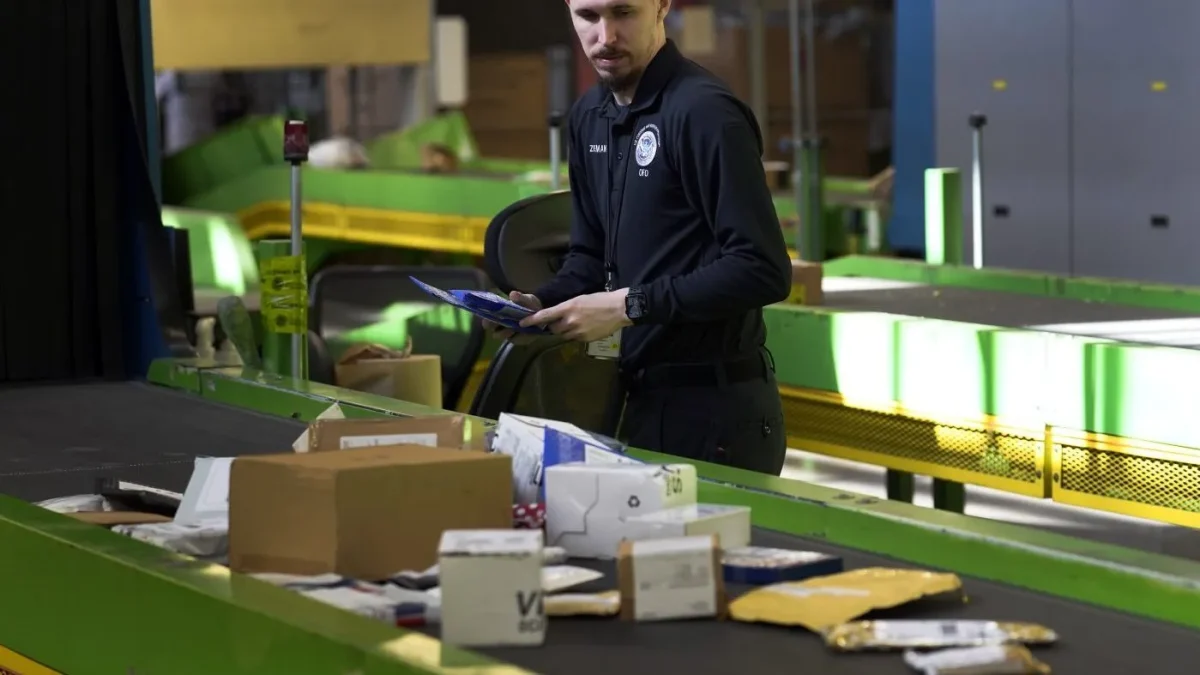
Table of Contents
Trade Court Validates Presidential Action on Low-Value Import Rules
Provpnadvice.com – A federal judicial body has determined that the current administration properly terminated a longstanding exemption for inexpensive merchandise entering the United States. The ruling, delivered on Thursday, confirms that the executive branch acted within legal boundaries when it removed the de minimis provision that had permitted small shipments to bypass customs duties.
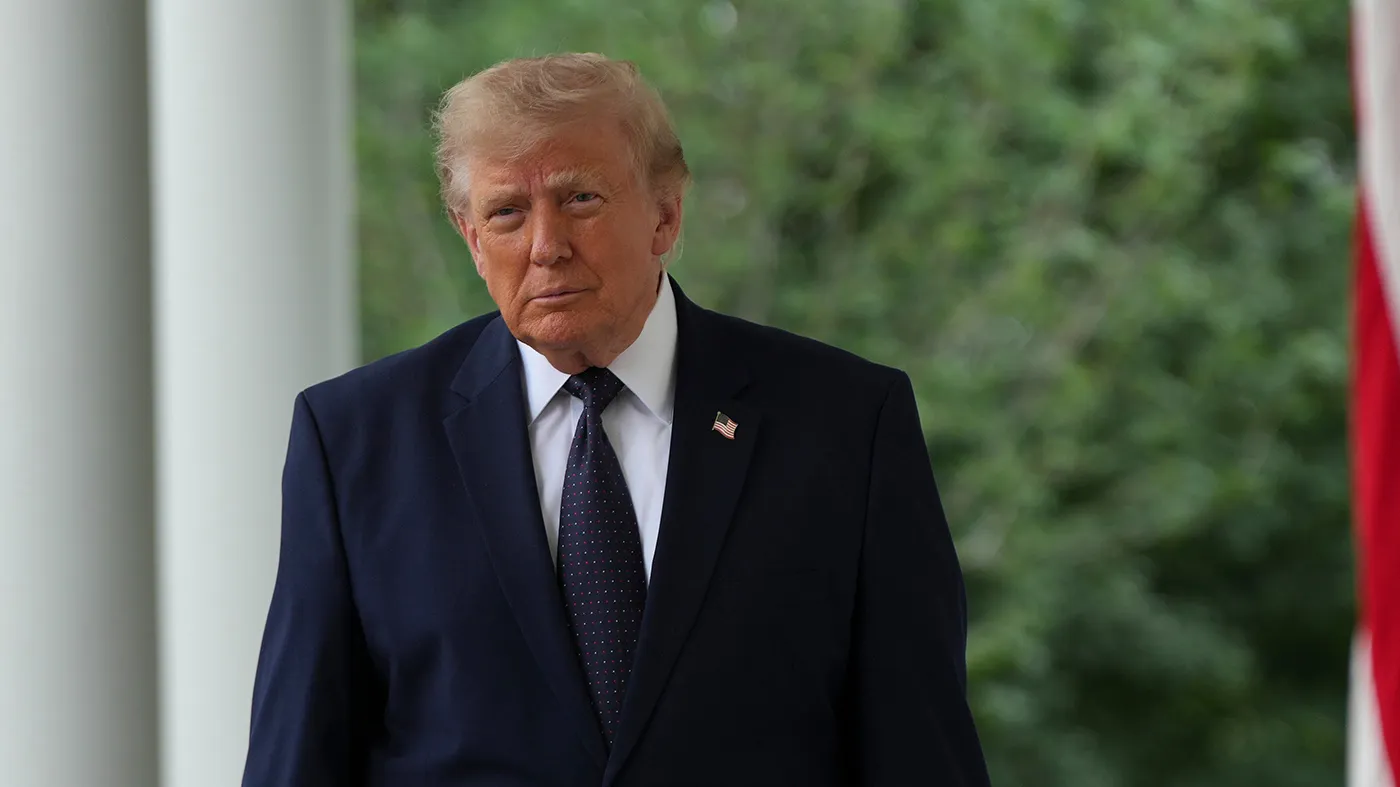
This decision represents a significant legal triumph for the president’s broader trade strategy. It arrives shortly after multiple court decisions had questioned whether the administration overstepped its constitutional authority when implementing worldwide tariff increases. The outcome prompted the president to characterize the judgment as a major victory on his social media platform.
Understanding the Legal Distinction
The U.S. Court of International Trade drew an important line between two different types of presidential actions. While the Supreme Court previously blocked the use of emergency powers to create new tariffs, this panel found that removing an existing exemption operates under different legal principles.
“Allowing the President to rescind the de minimis exemption does not authorize him to impose any tariffs,” the panel wrote in its decision.
The court’s reasoning centered on the specific wording of the International Emergency Economic Powers Act, legislation originally passed in 1977. This statute grants the executive branch power to “nullify” or “void” any “privilege” concerning foreign-owned assets. Since Congress had explicitly classified the de minimis exemption as a privilege, the administration could legally withdraw it without violating the Supreme Court’s earlier limitations.
The President’s Response and Social Media Commentary
Following the announcement, the president took to Truth Social to celebrate what he viewed as a vindication of his trade policies. His message emphasized both the legal outcome and the symbolic importance of the decision for American commerce.
“With the stroke of my mighty pen — NO AUTOPEN!!! — we ended this ridiculous giveaway, and made Foreign Goods play by the rules,” Trump wrote on Truth Social. “The Importers sued. Today, THEY LOST. The Court ruled that the President had the Legal Authority to rescind this so-called ‘privilege.'”
The de minimis exemption had permitted merchandise valued at $800 or less to enter the country without paying import duties. Critics of the policy argued it created opportunities for circumvention, allowing individuals and businesses to avoid higher tariff rates by splitting larger shipments into smaller, exempt packages. The administration suspended the provision while implementing new tariffs affecting dozens of international trading partners.
Who Challenged the Policy and Why
The legal challenge originated from Detroit Axle, a family-owned distributor specializing in automotive components. The company’s lawsuit built upon the Supreme Court’s February decision that invalidated the administration’s global tariffs under IEEPA. Detroit Axle argued that the same legal reasoning should apply to the de minimis suspension.
The three-judge panel hearing the case included members appointed by presidents from different political eras. Gary Katzmann, nominated by Barack Obama, sat alongside Timothy Reif, selected by Donald Trump, and Jane Restani, appointed by Ronald Reagan. This bipartisan composition underscored the legal rather than partisan nature of the decision.
Broader Implications for Trade Policy
While this ruling addresses one specific aspect of the administration’s trade agenda, other legal questions remain pending. The trade court continues reviewing the president’s most recent wave of global tariffs, which add surcharges ranging from 10 percent to 12.5 percent on imports from 60 countries. Those proceedings involve a different statutory basis, with oral arguments scheduled for September 30.
The practical effects of Thursday’s decision on the de minimis exemption remain relatively contained. Congressional Republicans had already enacted legislation codifying the suspension as part of the One Big Beautiful Bill Act. This statutory action ensures the exemption will be permanently eliminated beginning in July of next year, regardless of any future court challenges.
For American consumers and businesses, the ruling provides additional legal certainty as the administration continues reshaping international trade relationships. The distinction between rescinding privileges and creating new tariffs may influence how future executive actions are evaluated by the judiciary, potentially opening pathways for other policy initiatives that previously faced legal obstacles.
Related Reading
Frequently Asked Questions
What is Court backs Trump on rescinding de minimis?
Court backs Trump on rescinding de minimis is the main topic of this guide. The article explains the context, practical details, and next steps readers should understand.
Why does Court backs Trump on rescinding de minimis matter?
Court backs Trump on rescinding de minimis matters because readers are looking for a useful answer, not just a short summary. Good content should match search intent and help them decide what to do next.