Mangione pleads guilty to federal charges in UnitedHealthcare CEO shooting

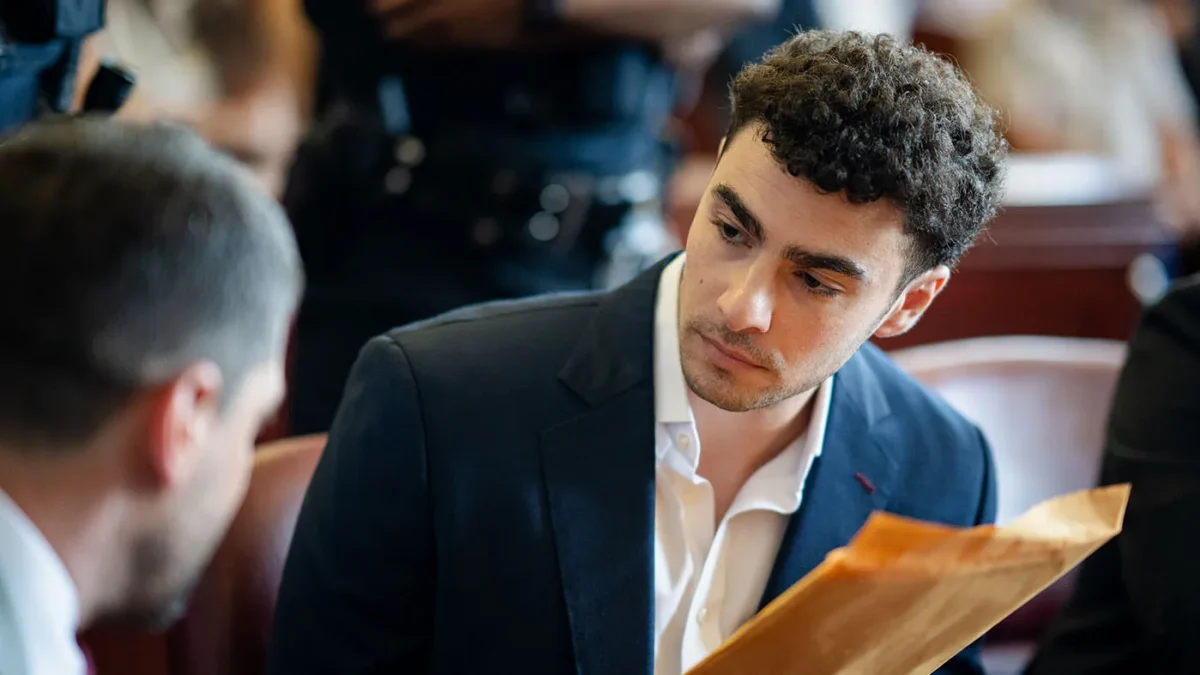
Table of Contents
Federal Guilty Plea Adds Complexity to Mangione’s Upcoming State Trial
Provpnadvice.com – Legal proceedings surrounding the fatal shooting of UnitedHealthcare’s chief executive have taken a significant turn as Luigi Mangione formally entered a guilty plea to federal stalking charges. The development arrives at a critical juncture, with the defendant’s state-level trial scheduled to commence in just a matter of weeks. This dual-track prosecution scenario has generated considerable attention from legal experts and the public alike.
Pretrial Conference and Immediate Context
The guilty plea was delivered during an expedited pretrial conference convened before U.S. District Judge Margaret Garnett. Prosecutors and defense counsel jointly requested the hastily arranged hearing this week, signaling the importance of resolving the federal component before the state proceedings begin. The 28-year-old defendant now faces a more intricate legal landscape as he navigates parallel cases in different jurisdictions.
The incident that sparked this extensive legal process occurred two years ago in midtown Manhattan. Mangione is accused of firing the fatal shot as Brian Thompson, the health insurance executive, entered the New York Hilton Midtown hotel. Thompson was en route to speak at an annual investors gathering when he was struck. The shooting immediately drew national attention, and Mangione’s subsequent capture at a McDonald’s restaurant in Altoona, Pennsylvania, concluded a five-day manhunt that captivated viewers across the country.
Evidence and Charges Overview
Following his arrest, authorities discovered several key pieces of evidence in Mangione’s possession. Among the items found was a 9 millimeter pistol equipped with a silencer, which investigators determined matched the weapon used in the shooting. Additional evidence included a counterfeit identification card and a notebook containing written complaints about the health insurance sector, alongside other relevant materials.
The federal case initially contained multiple charges, but Judge Garnett eliminated several counts in January. The remaining federal charges consist of two stalking offenses, which Mangione has now admitted to. Meanwhile, the New York state case encompasses second-degree murder, weapons violations, and related criminal offenses. Judge Gregory Carro previously dismissed terrorism-related charges in the state case, determining that the available evidence was legally insufficient to support those particular allegations.
Double Jeopardy Concerns
The timing of Mangione’s federal guilty plea introduces potential complications for the upcoming state prosecution. New York state law contains provisions preventing individuals from being prosecuted twice for identical offenses, including cases involving separate prosecutions arising from the same criminal act or transaction. Certain statutory exceptions exist, but the general principle remains a significant consideration.
Jury selection for the state case is set to commence on September 8. Legal analysts note that the federal plea could influence how the state case proceeds, particularly regarding which charges may be pursued. Karen Friedman Agnifilo, who represents Mangione, has characterized the situation as highly unusual, noting that defendants rarely encounter simultaneous charges in both federal and state courts.
Obviously, any guilty pleas in these matters must account for the seriousness of defendant’s offenses, the loss of an innocent life, the impact of those crimes on the victim’s family, and the other state interests that are implicated, including the sanctity of life principle that underpins the state homicide charges.
Assistant Manhattan District Attorney Joel Seidemann emphasized these considerations in correspondence with the court. State prosecutors had previously warned Judge Carro that accepting a guilty plea in the federal case might undermine the state prosecution’s objectives. They urged the judge to weigh this factor carefully when determining whether to approve the plea agreement.
Broader Implications
The dual prosecution approach reflects a growing trend in high-profile criminal cases where federal and state authorities coordinate their efforts. Each jurisdiction brings different legal standards, sentencing guidelines, and procedural requirements to the table. Mangione’s maximum potential sentence remains life imprisonment regardless of which court ultimately determines his punishment.
Legal experts have noted that Judge Carro has expressed skepticism regarding double jeopardy arguments in this case, describing them as premature in previous proceedings. The judge’s eventual ruling on whether the federal plea affects the state case will likely set important precedent for similar situations involving cross-jurisdictional prosecutions.
The case continues to draw public interest given the high-profile nature of the victim and the circumstances surrounding the shooting. As both legal systems move forward, observers will watch closely to see how the federal guilty plea shapes the trajectory of the state trial and whether any charges may be modified or dismissed as a result.
Related Reading
Frequently Asked Questions
What is Mangione pleads guilty to federal charges?
Mangione pleads guilty to federal charges is the main topic of this guide. The article explains the context, practical details, and next steps readers should understand.
Why does Mangione pleads guilty to federal charges matter?
Mangione pleads guilty to federal charges matters because readers are looking for a useful answer, not just a short summary. Good content should match search intent and help them decide what to do next.