DOJ’s antisemitism lawsuit against Harvard dismissed

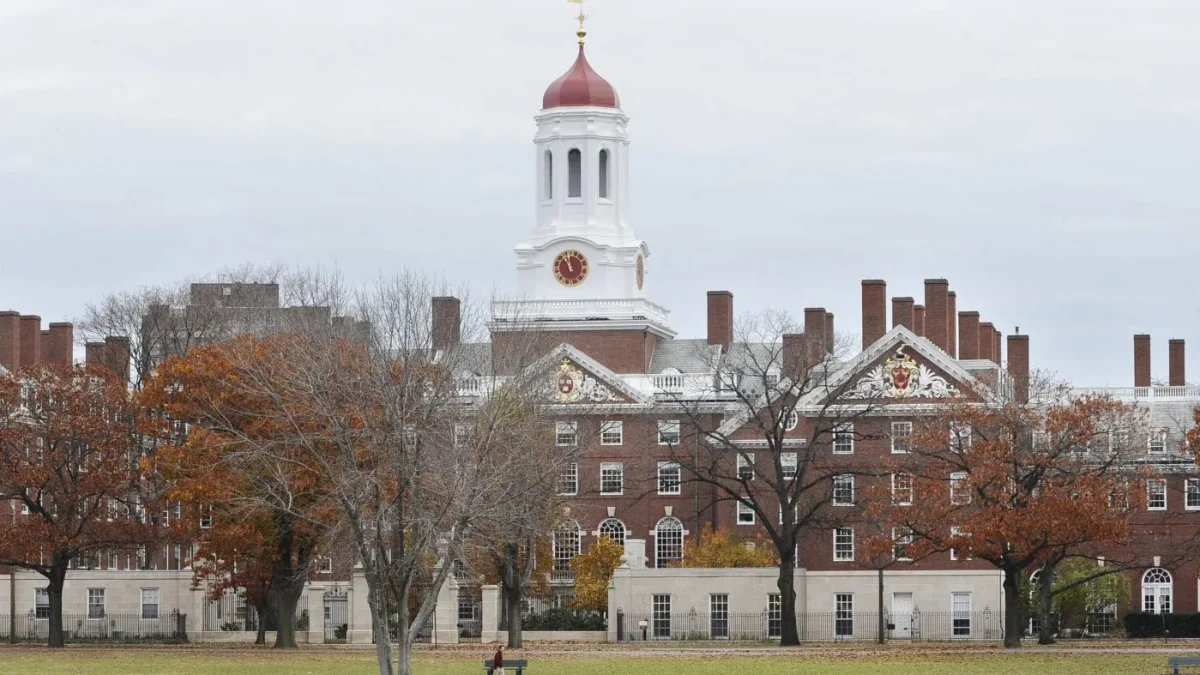
Table of Contents
Harvard Antisemitism Lawsuit Dismissed by Federal Judge
Provpnadvice.com – A federal court has dismissed the DOJ s antisemitism lawsuit against Harvard University, marking a significant development in the legal battle between the prestigious institution and the Trump administration. U.S. District Judge Richard Stearns issued the ruling on Thursday, determining that the alleged incidents did not constitute a continuous violation of Title VI of the 1964 Civil Rights Act. The judge’s decision represents a substantial victory for Harvard, though it does not necessarily close the door on all potential legal challenges. Stearns, who was appointed to the federal bench in Massachusetts by former President Bill Clinton, carefully weighed the evidence presented by both sides before reaching his conclusion.
Key Findings in the Ruling
“Without diminishing any concern arising from these occurrences, the court finds them, singly and collectively, to be too isolated and episodic to support a plausible inference that any institutionalized noncompliance with Title VI persists at Harvard to this day,” the judge wrote in his ruling.
Title VI of the Civil Rights Act prohibits discrimination based on race, color, or national origin in programs receiving federal financial assistance. While the statute does not explicitly mention religion, courts have interpreted it to cover certain forms of religious discrimination, particularly when tied to national origin. The DOJ s antisemitism lawsuit against Harvard argued that the university failed to adequately protect Israeli and Jewish students from harassment and discrimination.
Assistant Attorney General Harmeet Dhillon expressed disappointment with the ruling, stating that the administration disagreed with the decision and was evaluating its options. “The Justice Department’s Civil Rights Division is actively investigating antisemitism nationwide,” Dhillon said in a statement. “The Civil Rights Division has an extensive and active portfolio of antisemitism enforcement, including indictments, prosecutions, settlements, and investigations across the country.”
Broader Implications for Higher Education
The lawsuit was part of a broader campaign by the Trump administration to reshape higher education policy. Federal officials have targeted Harvard and other elite universities in their efforts to eliminate diversity, equity, and inclusion programs that they argue discriminate against certain groups. The Department of Justice initiated the DOJ s antisemitism lawsuit against Harvard in March, beginning what became a months-long effort to pressure the university into reaching a settlement agreement.
Several other universities have already entered into settlements with the federal government regarding similar concerns. Harvard has resisted these demands and continues to challenge the administration’s approach through various legal channels. Beyond the antisemitism lawsuit, other cases remain active, including an appeal concerning billions of dollars in federal funding that Harvard receives.
The lawsuit specifically accused Harvard of rewarding protests that erupted on campus during the Israel-Hamas war. Federal officials claimed the university allowed demonstrators to restrict students’ access to classrooms and fostered what they described as a “hostile education environment.” Some Jewish students reportedly concealed their yarmulkes with baseball caps to avoid drawing attention, according to the complaint. Judge Stearns found that the allegations did not demonstrate an ongoing violation of the civil rights law.
What Comes Next
Notably, the judge did not address Harvard’s additional argument that the lawsuit represented a pretext for retaliation in violation of the First Amendment. This omission leaves room for Harvard to pursue that argument separately if needed. The court also ruled that the Department of Justice could not pursue a claim for damages. Under the relevant statute, the federal government must first provide a formal warning to an institution before seeking monetary relief.
A notice was sent to Harvard in June 2025, but the lawsuit primarily focused on incidents that occurred before that date. The Trump administration had argued that this timing requirement makes it nearly impossible for the government to win a damages claim in this case. The implications of this ruling extend beyond Harvard. Universities across the country are watching closely to see how federal courts interpret Title VI in the context of campus antisemitism.
Frequently Asked Questions
What was the main reason the judge dismissed the lawsuit? Judge Stearns determined that the alleged incidents at Harvard were too isolated and episodic to support a plausible inference that institutionalized noncompliance with Title VI persisted at the university.
Can the Department of Justice appeal this decision? Yes, Assistant Attorney General Harmeet Dhillon stated that the administration disagreed with the ruling and was actively evaluating its options, which could include filing an appeal.
What does this mean for other universities? The decision may influence how other institutions respond to similar allegations and could shape future enforcement actions by the Justice Department regarding campus antisemitism.
Are there other legal challenges facing Harvard? Yes, beyond the antisemitism lawsuit, other cases remain active, including an appeal concerning billions of dollars in federal funding that Harvard receives.
What is Title VI of the Civil Rights Act? Title VI prohibits discrimination based on race, color, or national origin in programs receiving federal financial assistance. While it does not explicitly mention religion, courts have interpreted it to cover certain forms of religious discrimination.