NFL faces pressure at House hearing over rising cost of televised games

NFL Faces Growing Scrutiny at Congressional Hearing Over Rising Costs of Live Games
Provpnadvice.com – During a House Judiciary Committee hearing on Wednesday, lawmakers from both major parties criticized the National Football League (NFL) for its growing reliance on streaming deals, which they claim are driving up the cost of watching live games and disadvantaging everyday fans. The session highlighted concerns over the league’s financial strategies and their impact on consumers, with representatives arguing that the current system creates an uneven playing field.
Antitrust Concerns and Consumer Impact
As part of the discussion, the committee focused on the NFL’s expansion into digital platforms, which has led to significant revenue for the league but left viewers struggling to afford access. The hearing brought together representatives, industry experts, and advocates to explore whether the NFL’s new contracts with streaming services like Netflix, Amazon, and YouTube are creating an anticompetitive environment that harms consumers.
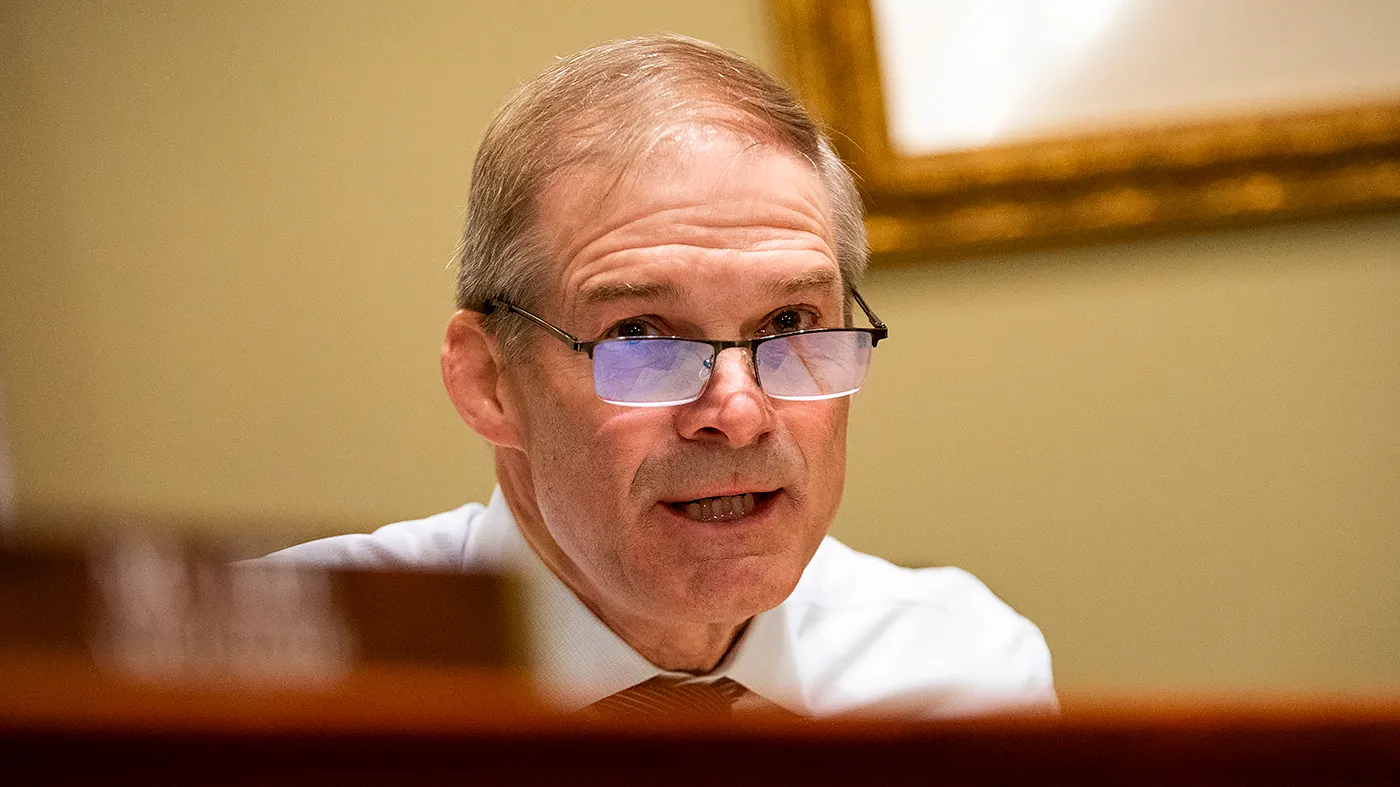
“We all enjoy football, but we’re raising a critical question: Is this model benefiting the people who pay for it?” said Rep. Jim Jordan (R-Ohio), who chaired the session.
Rep. Jamie Raskin (D-Md.), the committee’s ranking member, echoed similar sentiments. “It’s unjust that the NFL secures billions in deals while fans are left to cover the costs,” he stated. “This isn’t just about money—it’s about fairness.”
The Role of the Sports Broadcasting Act of 1961
The debate centered on the Sports Broadcasting Act (SBA) of 1961, a piece of legislation that initially allowed professional football teams to collectively negotiate broadcasting rights with national networks. Enacted decades before the rise of cable TV and internet streaming, the law was designed to protect the league’s interests but is now being questioned for its relevance in today’s media landscape.
Critics argue that the SBA no longer adequately safeguards consumers, as the NFL has leveraged its power to secure exclusive deals with streaming platforms. These contracts, they say, have shifted the balance of power from fans to the league, resulting in higher subscription fees and fragmented access to games.
Financial Windfall and Rising Costs
The NFL has consistently capitalized on its popularity, signing high-profile deals that generate over $100 billion in media rights revenue in recent years. These agreements, which include partnerships with traditional broadcasters and digital giants, have enabled the league to offer a broader range of content but at a steep price for viewers.
Fans who wish to watch every game now face challenges that were once unthinkable. According to estimates by the Federal Communications Commission, the average cost for comprehensive NFL coverage last season exceeded $1,000, with viewers needing to subscribe to more than 10 services to access all games. This has sparked outrage among lawmakers and consumers alike, who see the trend as a financial burden.
“Eighty-seven percent of games remain free, but the remaining 13 percent are being sold to platforms that charge viewers,” noted Clay Travis, a Fox News sports analyst who testified on behalf of the committee. “That’s not just a problem—it’s a violation of the SBA’s intent.”
Travis used the example of the Buffalo Bills’ new stadium, funded by $850 million in taxpayer money, to illustrate the issue. “Their first home game was streamed exclusively on Amazon, leaving New York residents who paid for the infrastructure unable to watch it for free,” he said. “This undermines the purpose of public investment.”
Legal and Economic Challenges
The hearing also touched on ongoing legal battles surrounding the NFL’s distribution model. A class-action lawsuit filed in 2015 alleged antitrust violations related to the Sunday Ticket subscription service, which costs over $500 per season. This service, which allows fans to watch out-of-market games, has been a focal point for critics who argue it forces consumers to pay for more games than they desire.
Although NFL Commissioner Roger Goodell was invited to testify, he opted to defer his appearance due to the unresolved litigation. This absence raised questions about the league’s willingness to address concerns head-on.
Impact on Local Businesses
Beyond consumer costs, the NFL’s shift to streaming has disrupted local establishments that rely on live game broadcasts to attract customers. Sports bars and restaurants, which once used television to draw crowds, now face significant expenses and logistical hurdles in adapting to digital platforms.
Jim Hallers, owner of multiple sports bars in Houston, described the transition as a “major financial strain.” “The cost to stream every game has increased by hundreds of thousands annually,” he said. “For a business that depends on these events, it’s not just a change—it’s a challenge.”
“Offering every game is no longer optional for a sports bar. It’s a necessity,” Hallers added. “What seems trivial for a home viewer becomes a critical operation for a venue trying to stay competitive.”
Local broadcasters also expressed alarm over the NFL’s strategy, viewing it as a direct threat to their business models. Curtis LeGeyt, CEO of the National Association of Broadcasters, highlighted the growing disparity between traditional networks and tech-driven platforms. “Consumers are paying more for less, while global platforms can subsidize sports rights through diverse revenue streams,” he said. “This is eroding the local networks’ ability to survive.”
Broader Implications for Media Markets
The hearing underscored the broader implications of the NFL’s actions for the media industry. With the league’s dominance in streaming, smaller broadcasters and regional networks risk being sidelined, potentially reshaping how sports content is delivered and consumed. Lawmakers emphasized the need for updated regulations to ensure fair competition and protect consumer interests.
Following the session, the committee released a report outlining its findings. The document stated that the NFL’s current approach, particularly its Sunday Ticket service, forces fans into paying for a large bundle of games when they only want to watch their favorites. This has led to calls for reforming the SBA to better align with modern viewing habits and market dynamics.
As the NFL continues to expand its digital footprint, the debate over its economic practices is intensifying. While the league maintains that its strategies are necessary to keep up with evolving technology, critics warn that without intervention, the cost of accessing games could continue to rise, leaving fans with fewer choices and higher bills. The outcome of this scrutiny could shape the future of sports broadcasting in the United States.