Thune urges passage of FISA extension before deadline amidst Pulte uproar

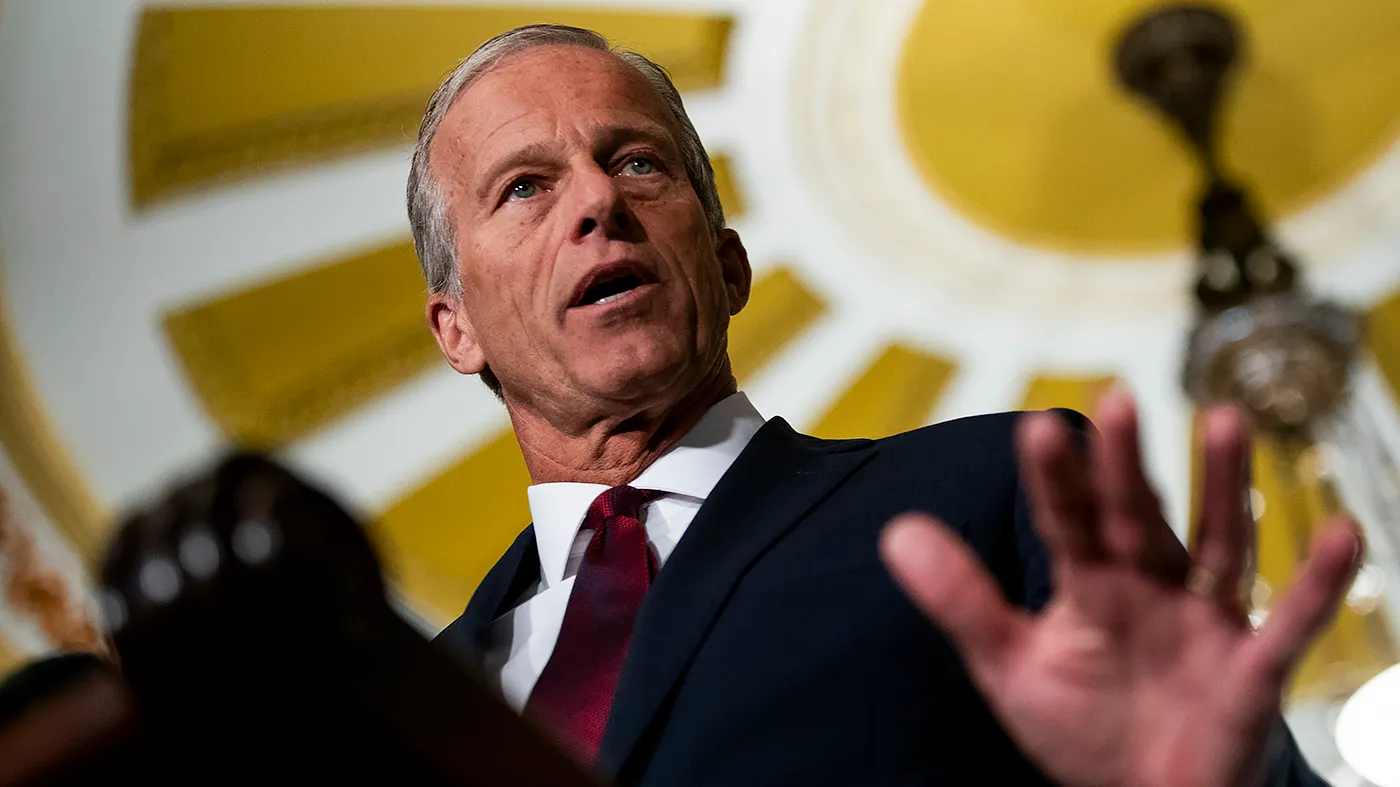
Thune Pushes for FISA Extension Amidst Pulte Controversy
Provpnadvice.com – Senate Majority Leader John Thune (R-S.D.) is intensifying efforts to secure passage of a critical surveillance law extension before its impending deadline. His campaign to rally support for the reauthorization of Section 702 of the Foreign Intelligence Surveillance Act (FISA) has faced resistance, particularly from Democrats, as the GOP leader grapples with political fallout over President Trump’s recent decision to appoint Bill Pulte as acting national intelligence director.
The FISA extension, which has sparked bipartisan debate, aims to modernize the nation’s intelligence-gathering capabilities while addressing privacy concerns raised by critics. Section 702, a cornerstone of U.S. spy operations, enables the government to collect foreign intelligence data from non-Americans abroad. However, its expansion has raised alarms about potential overreach, prompting lawmakers to advocate for reforms that limit incidental collection of American citizens’ information.
Thune emphasized the urgency of the situation during a recent statement, stating that negotiations are underway to finalize the bill before the week concludes. “We have a deadline approaching, and it’s essential we act swiftly,” he remarked. “The reforms included in this package are vital, and we require Democratic support to make it happen.” His comments highlight the growing pressure on the Senate to move quickly, even as partisan tensions linger over Pulte’s controversial nomination.
“Irrespective of one’s views on Bill Pulte, the reforms in this 702 reauthorization are a necessary safeguard. They should be backed by both parties,” Thune added, underscoring the bipartisan nature of the proposed changes.
Pulte, currently serving as the head of the Federal Housing Finance Agency (FHFA), has drawn scrutiny for his rapid ascension to the intelligence director role. Critics argue that his lack of experience in national security matters undermines his ability to manage the vast responsibilities of the position. Meanwhile, supporters contend that his administrative expertise in the FHFA could translate well to the intelligence community, though this remains a point of contention.
Trump’s appointment of Pulte has triggered a wave of protests across the political spectrum. Democrats, alongside a few Republican senators, have united to block the three-year extension of FISA, citing Pulte’s unproven credentials as a major obstacle. The move comes after the president named Pulte to the senior intelligence post last week, a decision that has already led to reports of mass layoffs within the intelligence agencies. These cuts have been interpreted as a sign of Trump’s confidence in Pulte’s leadership, despite the widespread skepticism.
Amid the uproar, Thune has maintained a strategic stance, urging his colleagues to focus on the merits of the reforms rather than the personnel dispute. “We can’t let this issue derail the progress we’ve made on strengthening FISA,” he said. “The reforms in question are strong, and they deserve a fair chance to be debated.” His remarks reflect a broader attempt to balance the need for legislative action with the political implications of Pulte’s appointment.
Pulte’s controversies extend beyond his recent role in the intelligence community. As FHFA director, he has leveraged mortgage records to scrutinize public officials perceived as critical of Trump, including former Federal Reserve board member Lisa Cook and New York Attorney General Letitia James. These actions have fueled accusations of partisan bias and raised questions about his impartiality in the intelligence role. Critics argue that his investigative tactics, while effective in the housing sector, may not align with the neutrality required in national security oversight.
Thune acknowledged the growing dissent around Pulte but emphasized that the reforms themselves are nonpartisan. “I’m aware of the discussions about Pulte’s future, but the priority right now is getting this bill across the finish line,” he noted. “We need to pass it, and we can’t do that without the backing of Democrats.” His comments suggest that the Senate leader is prepared to engage in dialogue about Pulte’s qualifications, even as the deadline looms.
Political analysts have pointed to the broader implications of the FISA debate. The extension, if passed, would restore critical surveillance authorities while incorporating measures to protect American privacy. This includes provisions to enhance transparency, improve oversight, and reduce the risk of data collection overreach. The reforms have been praised by privacy advocates as a necessary step toward balancing national security and civil liberties.
Meanwhile, the House of Representatives has seen similar resistance. Rep. Don Bacon (R-Neb.), a retiring congressman known for his independent stance on Trump’s policies, joined Democrats in opposing the FISA extension. He labeled Pulte a “hindrance to progress” and called for his removal from the intelligence post. Bacon’s position underscores the growing bipartisan concern over the appointment, even as some Republicans remain hesitant to challenge Trump directly.
House Minority Leader Hakeem Jeffries (D-N.Y.) has also voiced opposition, stating that the FISA extension will not receive his endorsement while Pulte occupies the position. “Until we have a clearer understanding of his qualifications, we can’t support this measure,” Jeffries declared. His statement highlights the role of the House in shaping the Senate’s agenda, as the two chambers work in tandem to finalize the reauthorization.
The debate over Pulte’s appointment has reignited discussions about the importance of experience in key leadership roles. While some lawmakers argue that his background in financial regulation is sufficient, others stress the need for a national security expert in the intelligence director position. This divide has created a political stalemate, with Thune seeking to bridge the gap by framing the reforms as a win-win for both parties.
As the deadline approaches, the focus remains on whether the Senate can overcome partisan differences and pass the FISA extension. Thune’s efforts to unite the chamber will be critical in determining the fate of the bill, which has become a symbol of the broader struggle between surveillance authority and privacy rights in the U.S. government. The outcome of this vote could set a precedent for future intelligence reforms and shape the nation’s approach to foreign espionage in the coming years.
Analysts suggest that the controversy surrounding Pulte may not resolve quickly, but the urgency of the FISA deadline could force lawmakers to prioritize the bill over personal disagreements. “The reforms are a solid foundation for the law, and the key now is to pass them without delay,” said one political strategist. “Even if there are tensions over who leads the intelligence effort, the importance of maintaining these surveillance powers cannot be overstated.”
With the Senate’s vote on the horizon, the stage is set for a pivotal moment in the legislative process. Thune’s ability to rally support for the FISA extension will depend on his capacity to navigate the complex political landscape, from addressing privacy concerns to countering opposition from both sides of the aisle. The outcome could determine whether the nation’s intelligence community continues to operate under expanded powers or faces a potential reduction in its authority.