House Republican criticizes Hegseth ‘inappropriate’ D-Day remarks

House Republican Criticizes Hegseth’s ‘Inappropriate’ D-Day Remarks
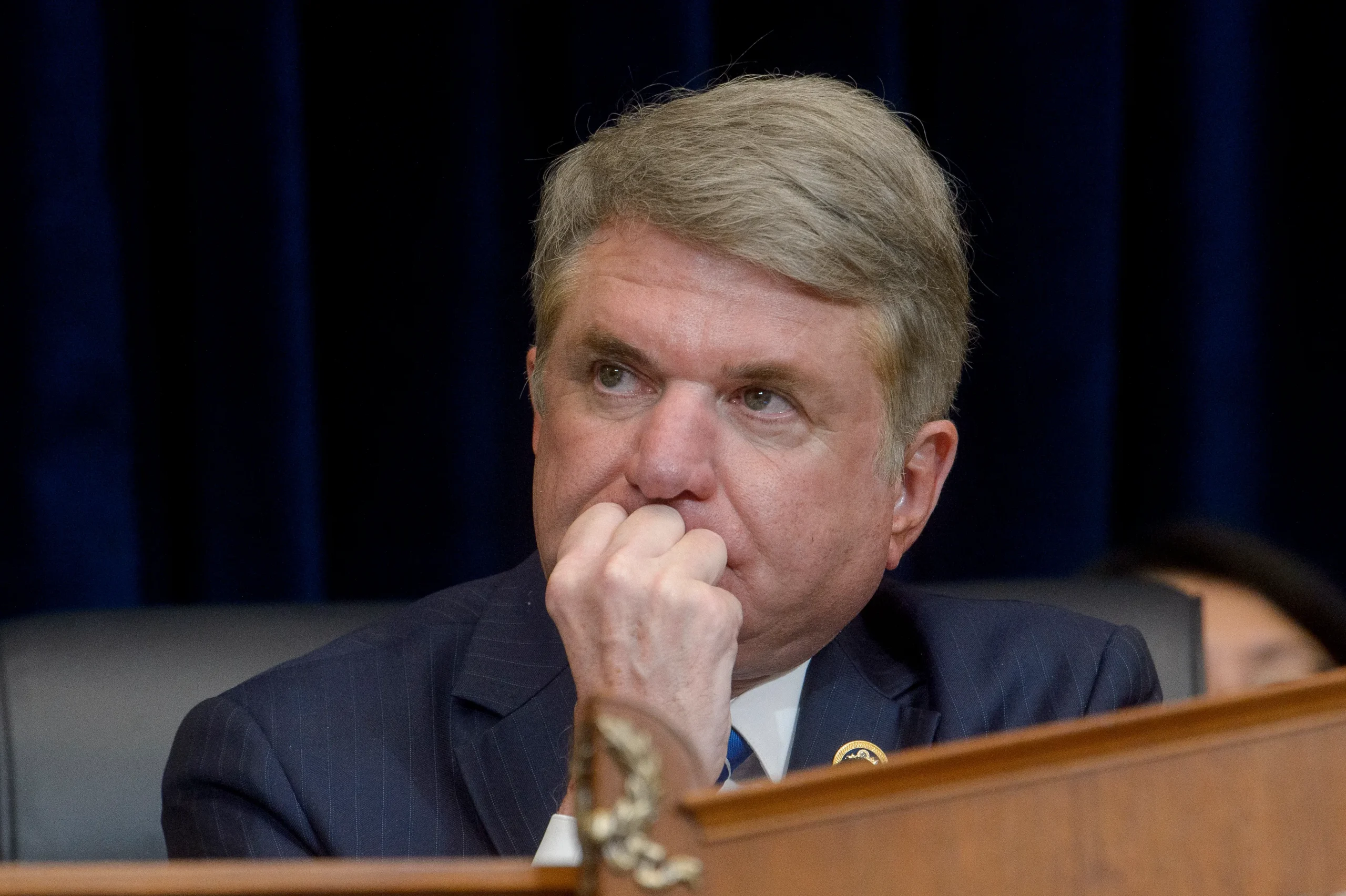
Provpnadvice.com – On Sunday, House Republican Michael McCaul from Texas expressed strong disapproval of Defense Secretary Pete Hegseth’s remarks during the 82nd anniversary celebration of D-Day. The event, held in Colleville-sur-Mer, France, marked the historic Allied invasion of Normandy in 1944, a pivotal moment in World War II that reshaped the course of global history. McCaul argued that Hegseth’s speech veered off-topic, failing to honor the sacrifices of the war heroes who had fought to liberate Europe from Nazi oppression.
McCaul’s Criticism of Hegseth’s Remarks
During an interview on ABC’s “This Week,” McCaul emphasized that the commemoration should have focused on the valor and dedication of the soldiers who had given their lives to secure freedom. “The speech should have centered on their sacrifice, their service to their country, and the critical role they played in protecting the free world during a time of immense danger,” he stated. The Republican representative added that Hegseth’s comments were not only off-message but also disrespectful to the solemnity of the occasion.
“That should have been the message. It always has been in the past. And, quite frankly, I thought it was just inappropriate,” McCaul said.
McCaul highlighted his personal connection to the event, noting that as the son of a D-Day veteran, he felt particularly compelled to address the shift in focus. “Out of respect for the veterans—and myself being the son of a D-Day veteran—those remarks were out of place,” he reiterated. The criticism came as Hegseth spoke at the Normandy American Cemetery, a site dedicated to the memory of American soldiers who perished during the invasion. The speech was intended to honor the fallen, yet it sparked controversy for its tangential themes.
Hegseth’s Focus on Immigration and Foreign Threats
While Hegseth acknowledged the importance of the D-Day anniversary, his address included a sharp critique of immigration policies and the threat posed by foreign ideologies. “Beaches in Spain and Italy and Greece and Bulgaria, boats and men arrive. When will European capitals do something about that invasion? Or is it too late?” he said, drawing comparisons between the 1944 invasion and contemporary challenges. The Defense Secretary’s remarks suggested that the current wave of immigrants arriving in European ports mirrors the earlier surge of Allied forces, framing the issue as a pressing security concern.
“As the son of a D-Day veteran, look, there’s a time and a place for these issues of immigration. That was not the day. Not the anniversary of D-Day,” McCaul said during the interview.
The timing of Hegseth’s comments drew immediate backlash from some attendees. By highlighting immigration as a modern-day invasion, he appeared to divert attention from the original purpose of the ceremony: to commemorate the bravery of the soldiers who had stormed the beaches of Normandy nearly eight decades earlier. Critics argued that such a comparison was misleading, as the context and nature of the 1944 invasion were vastly different from the current situation. The shift in focus, they claimed, diluted the significance of the event and overshadowed the sacrifices of the past.
Meeting with French Officials and Event Context
Despite the controversy, Hegseth’s visit to France included a significant meeting with Catherine Vautrin, the French Minister of the Armed Forces, in Normandy. The encounter was part of broader efforts to strengthen military ties between the United States and France, a key ally in the war effort. However, the Defense Secretary’s remarks during the ceremony drew mixed reactions. While some saw his comments as a timely reflection on modern threats, others viewed them as a disruption to the historical narrative.
The Normandy American Cemetery, where Hegseth delivered his speech, is a powerful symbol of the Allied victory. It stands as a tribute to over 9,000 American soldiers who lost their lives during the D-Day landings. By addressing the audience at this site, Hegseth aimed to connect the past with the present, yet his emphasis on immigration and foreign ideologies raised questions about the appropriateness of his message. The speech was delivered just days after the main international ceremony in Langrune-sur-Mer, which had drawn a larger crowd and more prominent figures.
Public Reaction and Political Implications
Some residents of Colleville-sur-Mer expressed disappointment with Hegseth’s decision to skip the primary D-Day commemoration. While the ceremony in Langrune-sur-Mer was the most widely attended event, Hegseth’s alternative gathering in Normandy was seen by some as a strategic choice to highlight his own priorities. This split in focus led to criticism, with local attendees accusing Hegseth of prioritizing political messaging over genuine remembrance.
“Beaches in Spain and Italy and Greece and Bulgaria, boats and men arrive. When will European capitals do something about that invasion? Or is it too late?” Hegseth said.
The tension between honoring history and addressing contemporary issues is a recurring theme in political discourse. For McCaul, the key was maintaining the reverence for the past while acknowledging present challenges. “The message should have been about the legacy of D-Day, not about modern-day immigration concerns,” he said. His critique underscores a broader debate about how to balance historical commemoration with current policy discussions, particularly in an era where global events are often linked to past struggles.
Hegseth’s remarks, while controversial, reflect a strategic approach to shaping public perception. By juxtaposing the 1944 invasion with today’s immigration challenges, he sought to frame the issue as a continuation of the fight for freedom. However, this comparison also risked alienating those who felt the event’s essence was compromised. The debate over the speech highlights the delicate task of aligning historical reverence with modern relevance, a challenge that political leaders often face during significant commemorations.
As the D-Day anniversary continues to be a focal point for reflection and remembrance, the exchange between McCaul and Hegseth serves as a reminder of the diverse perspectives that can emerge. While some see the speech as a necessary evolution in how historical events are contextualized, others argue that it was a missed opportunity to honor the past. The conversation also underscores the importance of timing and tone in political messaging, particularly during moments of national and international significance.