Lockheed Martin strikes $35B deal to restock depleted THAAD interceptor stockpile

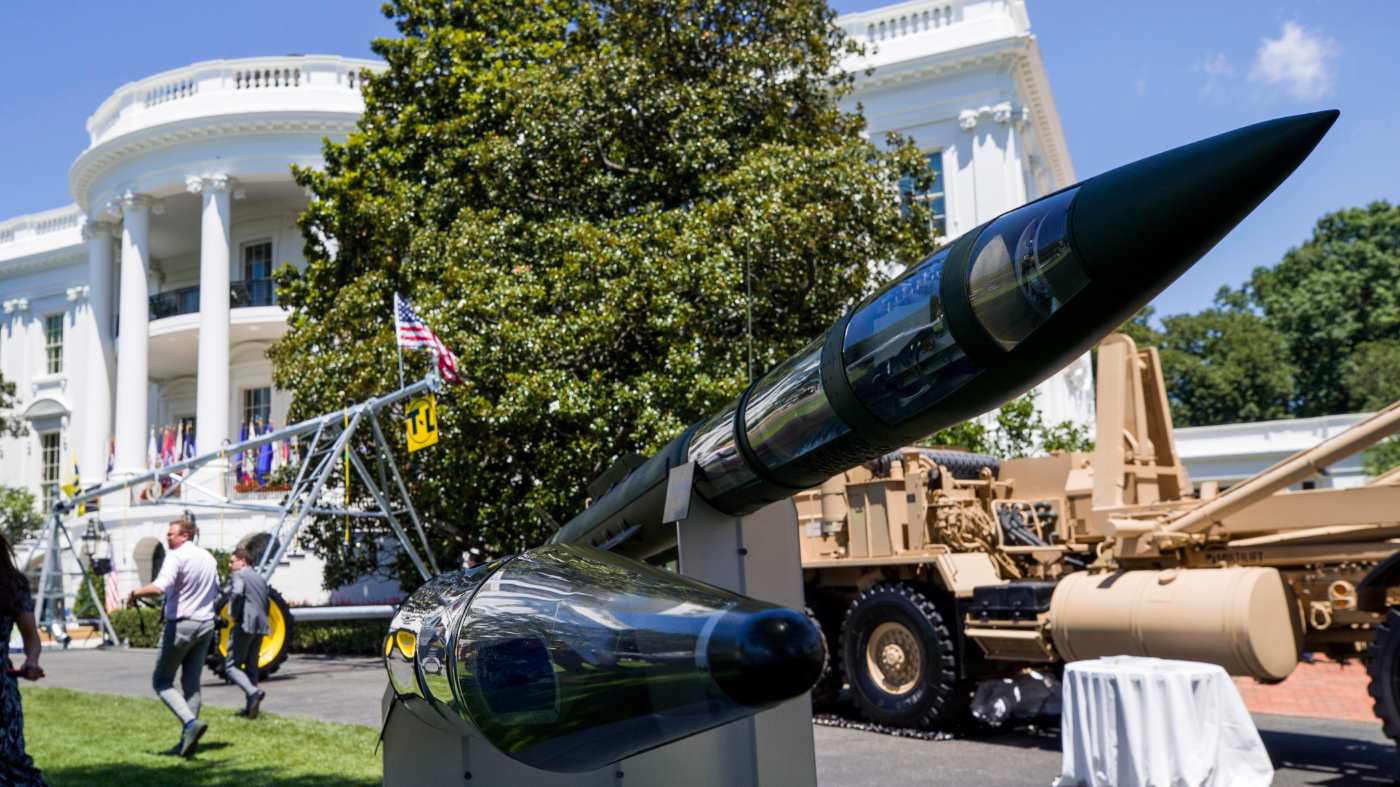
Lockheed Martin Secures $35 Billion Contract to Boost THAAD Interceptor Production
Provpnadvice.com – The U.S. Department of Defense has signed a seven-year agreement with Lockheed Martin, valued at up to $35 billion, to increase the annual manufacturing of Terminal High Altitude Area Defense (THAAD) interceptors. This move aims to replenish the nation’s dwindling stockpiles of advanced weaponry, particularly following their extensive use during the conflict with Iran. The contract, announced Wednesday, includes an initial payment of $842.9 million, according to the Missile Defense Agency (MDA). THAAD systems are designed to neutralize ballistic missiles in the Earth’s atmosphere and can cost over $12 million each to produce.
Strategic Push for Accelerated Weapon Production
President Donald Trump convened a meeting with the heads of Lockheed Martin, Boeing, and Honeywell at the White House, a session intended to urge defense contractors to expedite the production of weapons. The gathering followed concerns that the U.S. had exhausted critical munitions reserves during the Iran war, which has seen the deployment of sophisticated interceptors and missiles. The new contract aligns with the administration’s broader goal of increasing the pace of military output to meet rising demands.
The decision to invest in THAAD production also follows a $4.7 billion agreement with Lockheed Martin from April, aimed at boosting Patriot missile production. However, both contracts are labeled “undefinitized,” meaning their total funding remains uncertain until Congress approves them. Once finalized, Lockheed will receive a complete agreement to proceed with full-scale manufacturing.
Expanded Manufacturing Capacity
Lockheed Martin has taken proactive steps to support the production of THAAD interceptors, including the construction of a new facility in Alabama. The site, which broke ground in May, is part of a $9 billion investment plan scheduled to span through 2030. This initiative is expected to enhance the company’s capacity to meet the heightened demand for defense systems. “Our investment is already yielding tangible outcomes, such as this new plant and more than 20 other facilities across the United States,” the company stated in a press release.
The administration has incentivized defense firms to ramp up production by offering long-term contracts. These agreements are designed to ensure that manufacturing lines operate at full capacity, even amid challenges like supply chain disruptions and long lead times. Trump previously emphasized the importance of doubling or tripling weapon output, a goal he reiterated during a meeting with major contractors on March 6, when he declared that they had agreed to quadruple the production of “exquisite class” military hardware.
Supplemental Funding and National Security Priorities
In conjunction with the contract, the White House has sought additional funds from Congress, requesting $87.6 billion in supplemental appropriations. Of this amount, $21 billion is allocated specifically for munitions, reflecting the administration’s focus on sustaining military readiness. The increased production is also tied to the invocation of the Defense Production Act, which Trump recently used to address “systemic constraints in the munitions industrial base, including limited production capacity, fragile supply chains, long-lead dependencies, and related production bottlenecks.”
The THAAD interceptors and Patriot missiles have played a vital role in recent military operations, including the defense of U.S. forces against Iranian drones and ballistic missiles. Their use in these scenarios has underscored the need for a robust supply chain to maintain operational effectiveness. As part of the effort to address this, Lockheed Martin’s contract ensures that the company can continue to develop and deploy these systems without interruption.
Raytheon, another major defense contractor, also received a contract from the MDA for $398.7 million, aimed at supplying Advanced Medium Range Air-to-Air Missiles. This highlights the Pentagon’s simultaneous commitment to supporting multiple platforms across the defense sector. Both the Lockheed and Raytheon deals are part of a larger strategy to diversify and expand the nation’s missile capabilities, ensuring that the U.S. can respond to threats in various regions.
Industry Response and Long-Term Planning
Lockheed Martin’s new Alabama facility is a key component of its strategy to scale production. The company has highlighted its commitment to long-term planning, stating that the investment will not only bolster THAAD capabilities but also support the development of other defense systems. This approach aligns with the broader industry shift toward multiyear contracts, which provide stability and predictability for manufacturers.
Manufacturers have been promised financial incentives in exchange for increasing production. These multiyear deals are intended to keep factory lines running at a steady pace, even as demand fluctuates. The administration has repeatedly stressed the importance of such partnerships, viewing them as essential for maintaining national security in an era of rapid geopolitical change. The current contracts are part of a larger effort to modernize and sustain the U.S. military’s arsenal.
While the initial funding for these contracts has been approved, the full $35 billion for THAAD and the $4.7 billion for Patriot systems remain contingent on congressional support. This dependency on legislative approval reflects the complex interplay between executive action and legislative oversight in military procurement. The ongoing negotiations and funding requests indicate a continued focus on ensuring that the U.S. is prepared for potential conflicts, both near and far.
Context of the Iran Conflict
The Iran war has served as a catalyst for the Pentagon’s decision to prioritize replenishing its missile stockpiles. The extensive use of THAAD interceptors and other weapons systems in this conflict has exposed vulnerabilities in the nation’s defense infrastructure. As a result, the administration has pushed for increased investment in production facilities and operations to prevent future shortages.
Lockheed Martin’s contract is a direct response to these challenges, ensuring that the company can maintain and expand its manufacturing capacity. The new Alabama facility exemplifies the company’s dedication to meeting the demands of the U.S. military. By securing this contract, Lockheed Martin reinforces its role as a critical supplier of advanced defense systems, particularly in the face of global tensions and evolving threats.
With the Defense Production Act now in effect and the supplemental funding request pending, the U.S. is poised to enhance its military readiness. The contracts with Lockheed Martin and Raytheon signal a strategic shift toward ensuring that the country can rapidly deploy interceptors and missiles when needed. These agreements are expected to play a significant role in maintaining the U.S. position as a global military power, even amid economic and logistical constraints.