FISA 702 lapse plunges US into unknown territory

FISA 702 lapse plunges US into unknown territory
Provpnadvice.com – The sudden end of the U.S. government’s warrantless surveillance authority under Section 702 of the Foreign Intelligence Surveillance Act (FISA) has created a new era of legal ambiguity. With the program expiring on July 2, officials are left grappling with unanswered questions about how to monitor foreign targets without the same level of congressional oversight. This marks a first-time scenario where the program’s scope remains undefined, raising concerns about the balance between national security and privacy rights.
Congressional Deadlock
Both the House and Senate failed to pass legislation extending FISA 702 by July 2, sparking criticism from Democrats. The dispute centered on the nomination of Bill Pulte to lead the intelligence community. Critics argued that his selection as director of the Office of the Director of National Intelligence (ODNI) undermined trust in the program, citing his past role at the Federal Housing Finance Agency where he had referred criminal cases against Trump allies for mortgage fraud.
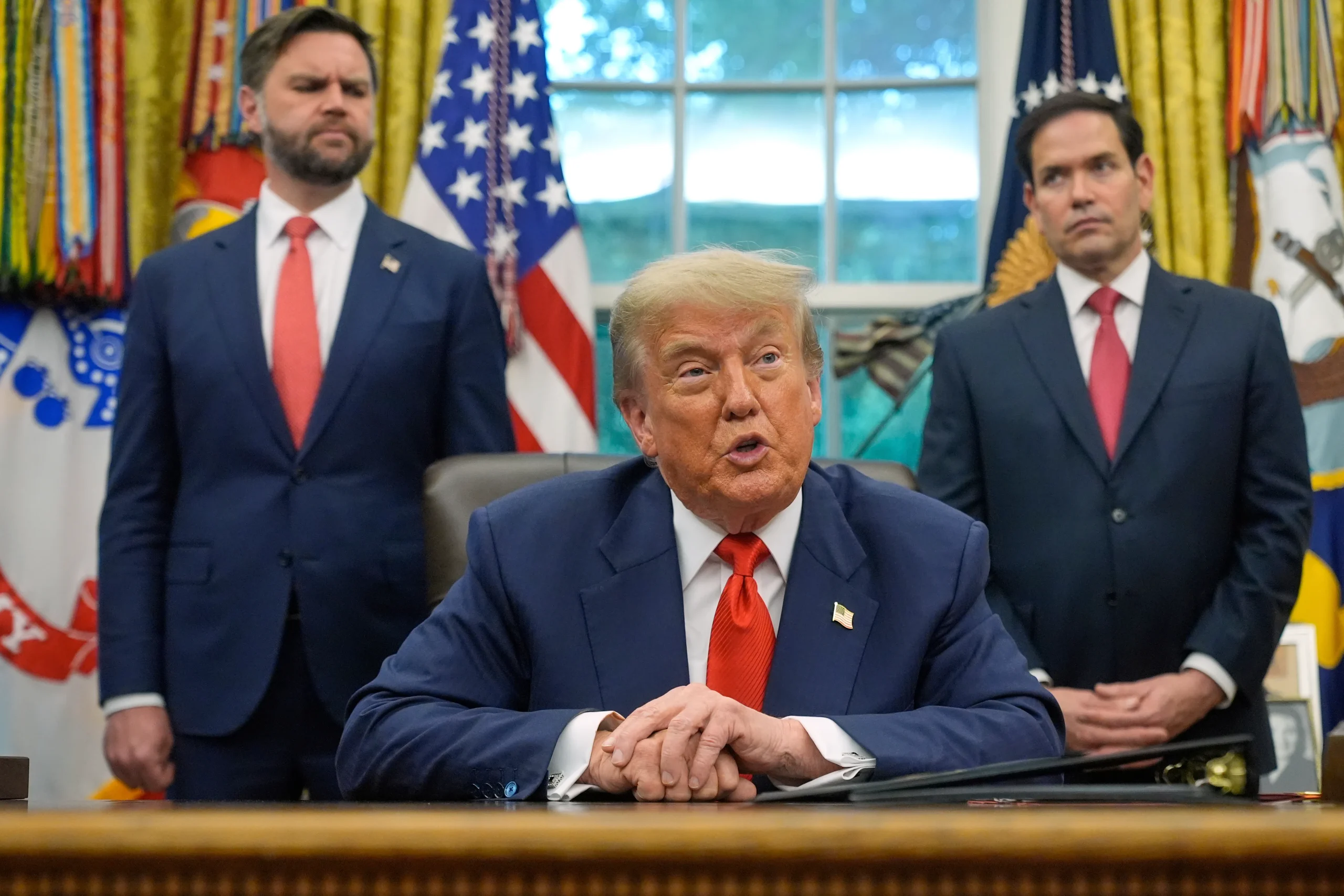
With no agreement reached, lawmakers departed for the weekend, allowing the surveillance powers to lapse at midnight. Meanwhile, President Trump is considering an executive order to maintain the program’s functionality, signaling a potential shift toward unilateral authority. These developments have left the country in a legal limbo, as the fate of the surveillance framework hinges on new interpretations of existing rules.
Legal Uncertainty
FISA 702 permits the government to obtain communications records of foreign individuals without a warrant, provided they are deemed targets of interest. This process relies on a database that tracks global communications, enabling agencies to identify potential threats. However, the recent expiration has raised doubts about whether this system can continue operating under the authority of the Foreign Surveillance Intelligence Court (FISC), which had previously approved its renewal in March.
“This is uncharted territory. We’ve never been in this position before,” said Rep. Brian Fitzpatrick (R-Pa.), a former FBI agent who has accessed the 702 database. He emphasized that the program’s survival now depends on the cooperation of cellphone companies and email providers, which may decide to withhold data if new legal challenges arise. “The real test is whether these companies will still comply with requests for information,” Fitzpatrick added.
Privacy advocates have long maintained that FISA 702 doesn’t truly expire if the FISC continues to certify its use. They argue that the program can persist as long as the court authorizes it, even without congressional renewal. Yet supporters counter that this approach is legally shaky, noting Congress’s responsibility to set parameters and authorize the program’s continuation.
Compliance Risks
When the program last faced a potential lapse in 2024, major electronic service providers threatened to stop participating, citing concerns about indemnification. This risk resurfaced as lawmakers debated the current extension, with some fearing that companies could once again refuse to share data. Rep. Jim Himes (D-Conn.), the top Democrat on the House Intelligence Committee, warned that the legal theory of continued operation through FISC certification remains untested.
“We’ve always cautioned against testing this theory because when a lawsuit is filed, the court’s response is uncertain,” Himes explained. “This time, we may have no choice but to find out if the program can function without congressional approval.” He highlighted the critical role of private companies in sustaining the surveillance framework, noting that their compliance is essential for the program’s effectiveness.
Shifting Power Dynamics
President Trump’s push for an executive order reflects a broader strategy to assert control over surveillance programs in the absence of legislative support. While he initially delayed Pulte’s nomination to head the ODNI, the former agency head is still set to serve as acting director starting June 19. Democrats, however, have vowed to block any extension of FISA 702 until they resolve their objections to Pulte’s leadership.
“The program’s survival now depends on how the FISC interprets its authority,” said Sen. Mark Warner (D-Va.), chair of the Senate Intelligence Committee. “This is a high-stakes gamble, especially with key events like the World Cup and bicentennial celebrations approaching, which could become targets for intelligence operations.” He pointed to ongoing U.S.-Iran tensions as a potential catalyst for increased surveillance activity.
Future Implications
As the FISA 702 database remains operational, it may still provide historical data but lack real-time insights. This limitation could hinder agencies’ ability to respond swiftly to emerging threats. Rep. Rick Crawford (R-Ark.), chair of the House Intelligence Committee, warned that without active data collection, the program’s utility would diminish.
“The database is a look back, not a look ahead,” Crawford said. “If we can’t update it with current intelligence, we risk missing critical signals. This is a dangerous situation, especially with high-profile events and international conflicts on the horizon.” His remarks underscore the growing pressure to resolve the FISA 702 impasse before it impacts national security operations.
Stakes of the Debate
The debate over FISA 702 has exposed deep ideological divides. While privacy advocates emphasize the need for oversight, national security proponents argue that the program is vital for tracking foreign adversaries. The expiration has forced a reckoning over how much authority the government should hold in monitoring global communications without judicial or legislative approval.
“This is a test of how far we’re willing to go in protecting our citizens’ privacy versus maintaining our intelligence edge,” said Himes. “If the FISC certifies the program, it’s a temporary fix. But without that, we’re looking at a complete shutdown of this critical tool.” The uncertainty now extends beyond legal interpretation, affecting everything from foreign intelligence gathering to domestic privacy protections.
As the clock ticks toward the next phase of the FISA 702 debate, the nation faces a pivotal moment. The survival of the program hinges on whether the courts will endorse its continued use, whether companies will comply with new requests, and whether the executive branch can step in to fill the legislative void. Whatever the outcome, the lapse has exposed the fragility of the U.S. surveillance system and the need for a clear legal pathway to address future uncertainties.