DNI warned Rubio of ‘advanced’ Iranian efforts to target US personnel, memo shows

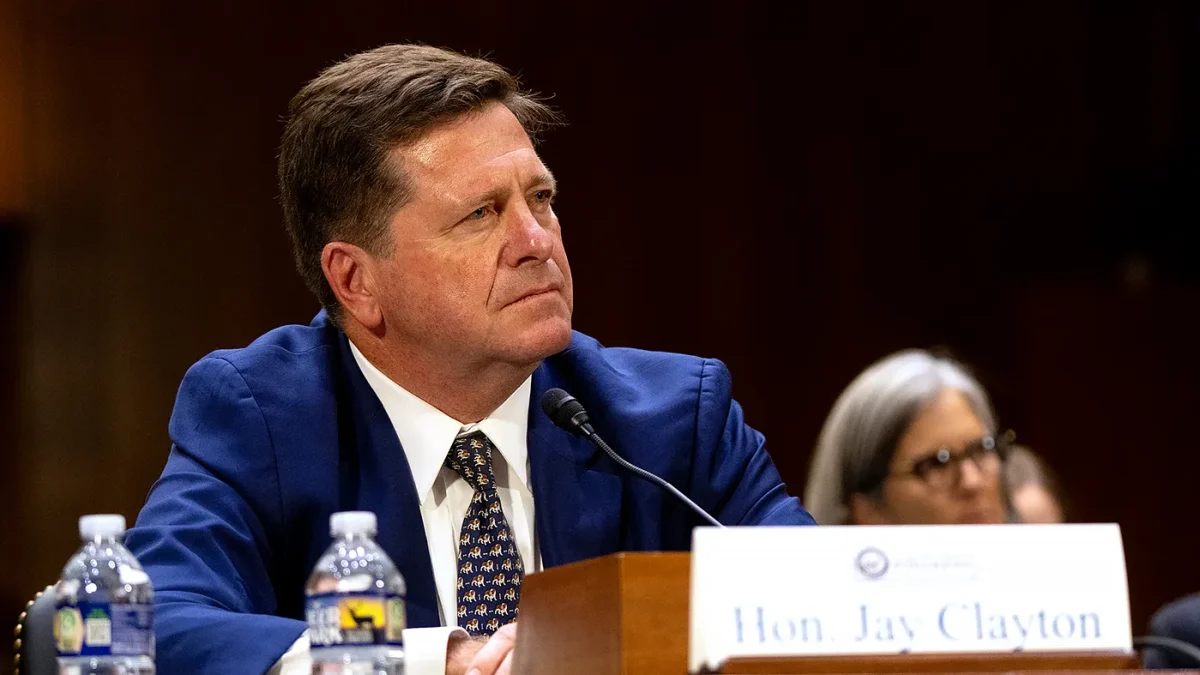
Table of Contents
U.S. Intelligence Warns of Escalating Iranian Threats to American Personnel
Provpnadvice.com – U.S. intelligence officials have warned that Iranian efforts to target American citizens and personnel have grown significantly, with some alleged plots progressing to an advanced phase in the Middle East and elsewhere.
The warning was delivered in a declassified memo dated Friday from Director of National Intelligence Jay Clayton to Secretary of State Marco Rubio. It arrived amid heightened regional tensions and shortly after the State Department directed certain nonessential U.S. personnel to leave Saudi Arabia.
“Specifically, through various channels, we have received intelligence that Iran has substantially increased efforts to target U.S. personnel,” Clayton wrote. “The lethal plotting efforts by Iranians against U.S. citizens have reached advanced stages in both the Middle East and certain other countries.”
Heightened Security Concerns in the Region
The intelligence assessment underscores the security challenges facing U.S. personnel as violence involving Iran-backed groups continues to affect several countries in the Persian Gulf and the wider Middle East. The memo itself did not refer to the State Department’s decision to remove some American personnel from the region.
That departure order followed an increase in attacks inside Saudi Arabia by Yemen’s Houthi rebels, who receive backing from Iran. The Houthis have struck civilian infrastructure, including airports, in attacks that have injured and killed civilians.
Saudi authorities said Wednesday that their military stopped another attempted attack aimed at Medina, one of Islam’s holiest cities. The incident added to concerns that fighting connected to Yemen’s long-running conflict could create broader instability beyond Yemen’s borders.
The State Department has stressed that the security situation could change quickly. A department spokesperson said the fighting carried a risk of spreading outside the immediate conflict area.
“As the Department has repeatedly emphasized, the hostilities have the potential to escalate rapidly, including beyond that immediate area,” a State Department spokesperson said.
Yemen Conflict Has Wider Regional Effects
The Houthi campaign is tied to the continuing war between Yemen’s rebel movement and the Saudi-backed Yemeni government. What began as a domestic conflict has repeatedly drawn in neighboring states, particularly Saudi Arabia, which has faced attacks because of its role in supporting the Yemeni government and its partnership with the United States.
U.S. military action involving the Islamic Republic has also intensified the regional consequences of the Yemen war. Since the conflict began, the Houthis have directly targeted countries in the region, creating risks for civilian areas, transportation facilities and diplomatic operations.
Saudi Arabia has remained a prominent focus of Houthi attacks. Its military cooperation with Washington and its position in the Yemen conflict have made the kingdom a central participant in a wider confrontation involving regional governments and Iran-aligned forces.
What the Memo Means for U.S. Operations
The intelligence warning points to a threat environment that extends beyond conventional battlefield risks. Alleged efforts to harm U.S. citizens in multiple countries require attention not only from military and intelligence officials, but also from diplomats, security personnel and Americans working or traveling abroad.
Measures such as reducing the number of nonessential personnel can give U.S. agencies greater flexibility during periods of uncertainty. Such decisions do not necessarily signal an immediate attack, but they reflect concern that the conditions surrounding American personnel may deteriorate rapidly.
The memo’s emphasis on alleged plots reaching advanced stages also highlights the difficulty of managing threats that can involve different locations, intermediaries and methods. U.S. officials must weigh intelligence assessments alongside conditions on the ground, including attacks on regional infrastructure and the possibility of further escalation.
For governments across the Middle East, the developments show how conflicts involving armed groups can produce consequences far beyond their original borders. Attacks in Saudi Arabia, warnings involving U.S. personnel and concerns over the Yemen war are all part of a regional security picture shaped by overlapping alliances, rivalries and continuing violence.
As diplomatic and security officials monitor events, the immediate focus remains protecting civilians and U.S. personnel while preventing the conflict from expanding further across the region.
Related Reading
Frequently Asked Questions
What is DNI warned Rubio of advanced Iranian?
DNI warned Rubio of advanced Iranian is the main topic of this guide. The article explains the context, practical details, and next steps readers should understand.
Why does DNI warned Rubio of advanced Iranian matter?
DNI warned Rubio of advanced Iranian matters because readers are looking for a useful answer, not just a short summary. Good content should match search intent and help them decide what to do next.