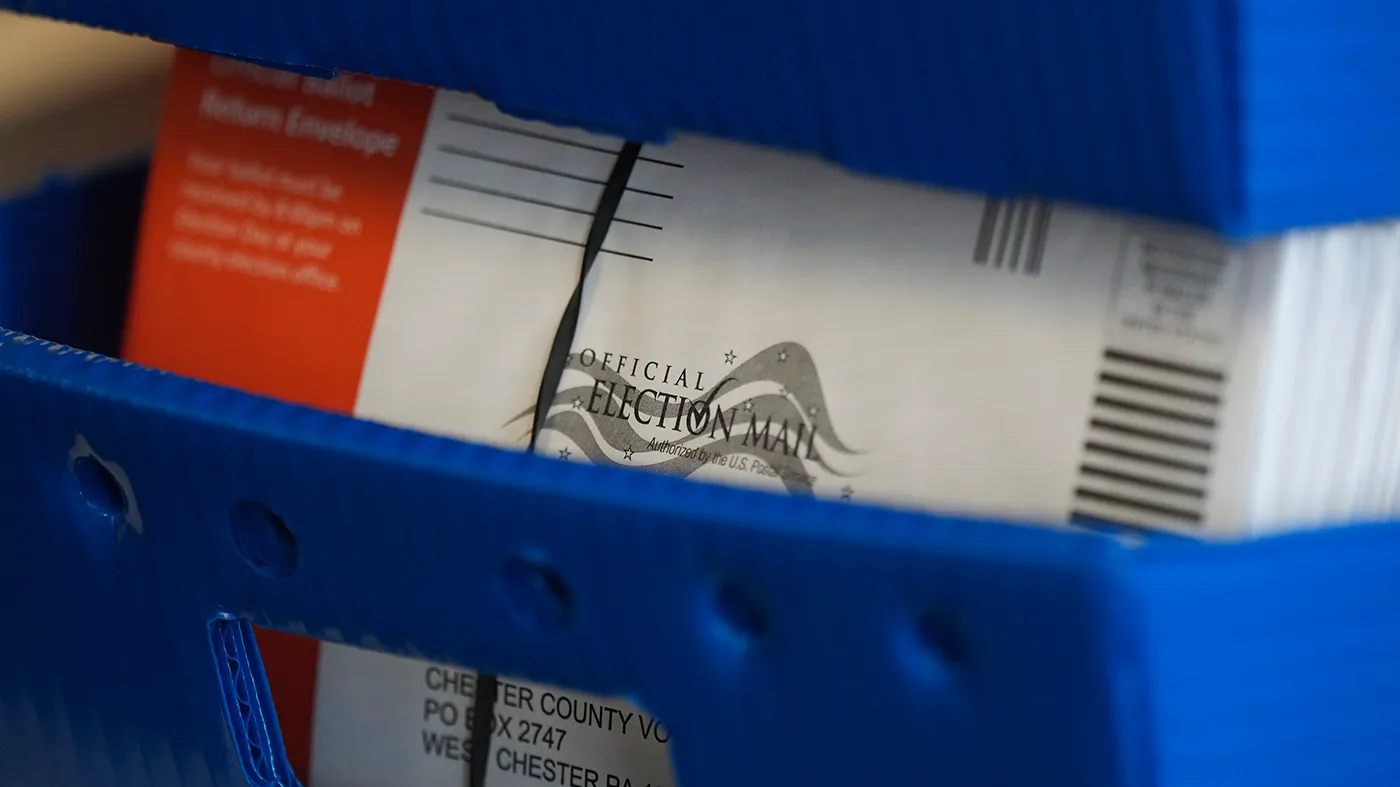
Justice Department targets and charges 28 alleged noncitizen California voters

Table of Contents
Federal Charges Focus on Alleged Noncitizen Voting in California
Provpnadvice.com – Federal authorities have brought criminal complaints against 28 California residents accused of registering and voting in U.S. elections despite not holding U.S. citizenship, the Justice Department announced Monday. Eleven of the defendants were arrested in California on the same day.
The cases are part of a broader federal effort to examine voter-registration records in California and identify people the government believes may be noncitizens. All 28 defendants are lawful permanent residents with green cards, the Justice Department said, and each is accused of falsely claiming U.S. citizenship under oath on voter-registration forms.
The allegations involve both registration and participation in elections. Federal officials said most of the defendants are accused of casting ballots obtained through registrations they were not legally eligible to make. The criminal complaints have not established guilt; the defendants will have the opportunity to contest the accusations through the court process.
“Every illegal vote cancels out the vote of a lawful American citizen,” Acting Deputy Attorney General Trent McCotter said in the Justice Department release.
McCotter linked the prosecutions to a much larger group of registrations that federal officials recently brought to the attention of California election administrators.
“Each of the 28 defendants charged today appears on the list of more than 20,000 likely noncitizen registrants we provided to California election officials last week,” he added.
Dispute Over Voter-Registration Data
The announcement follows a rapidly escalating dispute between the Justice Department and California officials over election data. Last week, the department filed suit against the state after delivering a USB drive containing information it wanted election authorities to compare against California’s voter rolls.
Federal officials urged the state to complete that comparison within two days. The material reportedly included roughly 20,000 names identified as possible noncitizen registrants. California and local election officials were also sent a warning letter last Tuesday that raised the prospect of legal action if they did not conduct the requested review.
A copy of the letter provided by Los Angeles County showed that the USB drive’s password had been written by hand. The episode highlighted the practical and legal sensitivity of exchanging voter and immigration-related data, especially when election officials must protect personal information while maintaining accurate registration lists.
Voter eligibility is generally limited to U.S. citizens in federal elections. Green-card holders may live and work permanently in the United States, but lawful permanent residence does not provide the right to vote in federal contests. A voter-registration application typically requires applicants to attest to citizenship status, making an alleged false declaration potentially subject to criminal penalties.
Why the Cases Matter
The charges arrive amid heightened national attention on immigration enforcement during President Trump’s second term. The administration has made immigration enforcement a central priority, drawing sharp criticism from opponents of its approach. Federal immigration operations since Trump returned to the White House have also been connected to multiple incidents in which people were injured or killed.
For California election officials, the dispute extends beyond the individual criminal cases. Maintaining voter rolls involves removing ineligible registrations while avoiding the mistaken cancellation of eligible voters. Citizenship, residency, identity, and registration records may be maintained by different agencies, which can make cross-checking data complicated.
The Justice Department’s list of more than 20,000 “likely noncitizen registrants” does not itself resolve the eligibility of every person named. The current prosecutions concern 28 people who federal authorities say were identified within that larger list and then charged through criminal complaints. Each case will require the government to prove its claims in court.
The development also underscores the distinction between allegations of improper registration and a completed criminal conviction. A criminal complaint begins a federal case and outlines accusations supported by investigators’ assertions; it is not a finding of guilt. Defendants are presumed innocent unless prosecutors establish guilt beyond a reasonable doubt.
California’s response to the federal data request and lawsuit could shape the next stage of the conflict. State and local election offices face pressure to review the information supplied by the federal government, while also ensuring that any action affecting registration records is supported by reliable evidence and consistent with election law.
For voters, the immediate message is that eligibility requirements remain central to the registration process. The federal government’s announcement signals continued scrutiny of citizenship attestations and voter-list data in California, while the legal proceedings against the 28 defendants will determine whether the allegations result in convictions.
Related Reading
Frequently Asked Questions
What is Justice Department targets and charges 28 alleged?
Justice Department targets and charges 28 alleged is the main topic of this guide. The article explains the context, practical details, and next steps readers should understand.
Why does Justice Department targets and charges 28 alleged matter?
Justice Department targets and charges 28 alleged matters because readers are looking for a useful answer, not just a short summary. Good content should match search intent and help them decide what to do next.