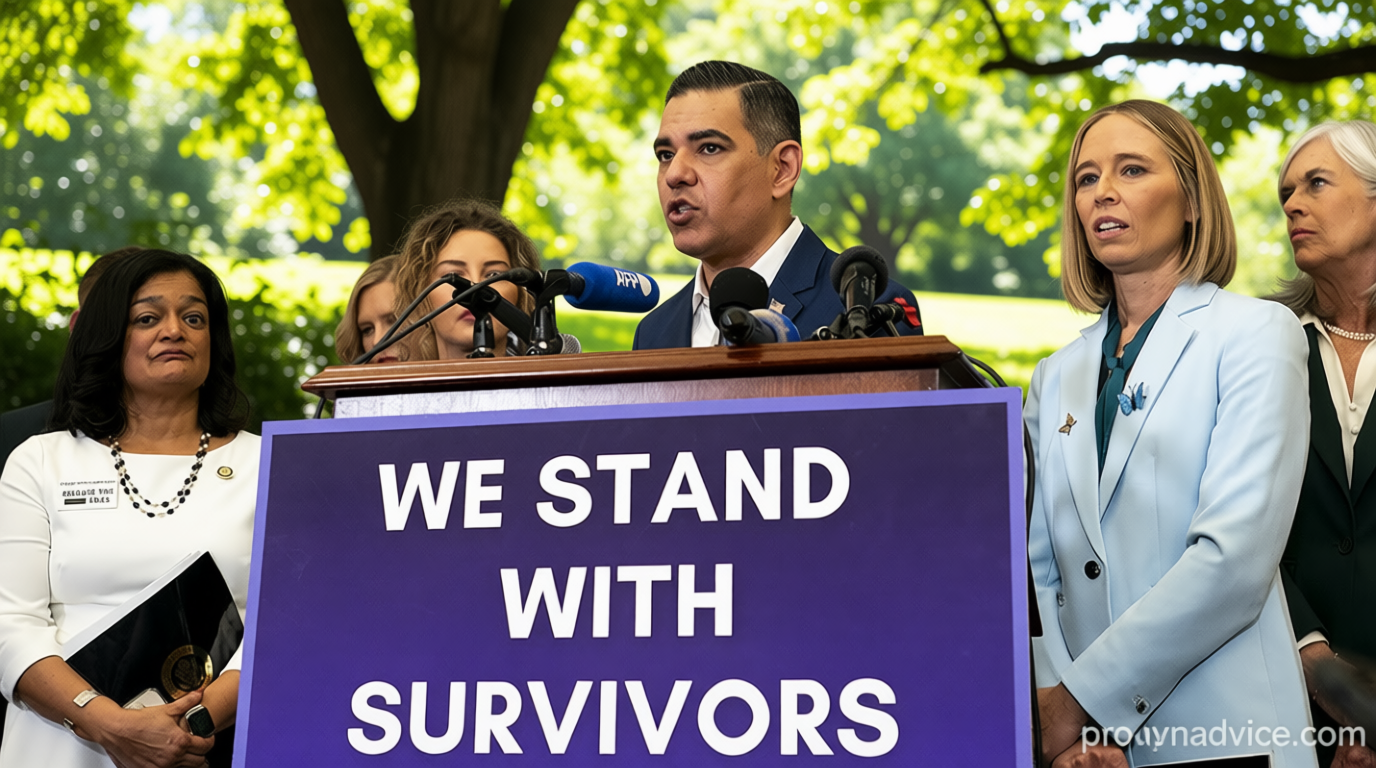
Johnson: Video of Hasan execution could be ‘recruiting tool for future terrorists’

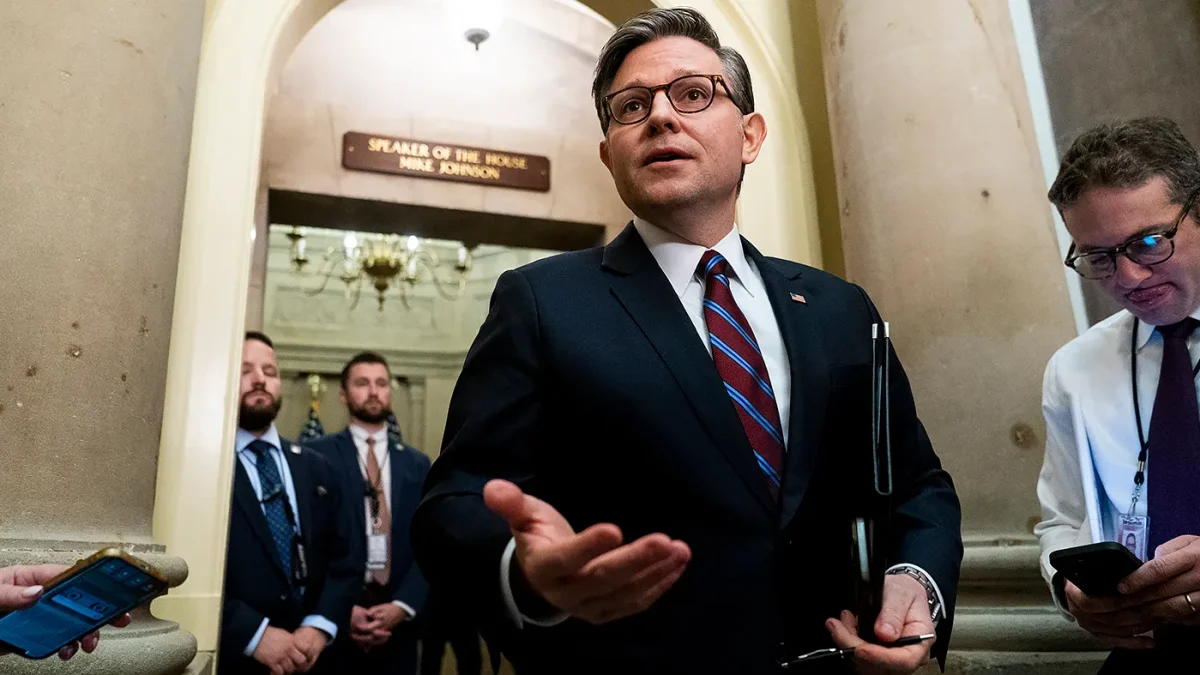
Table of Contents
Johnson Raises Terrorism Concerns Over Proposed Hasan Execution Broadcast
Provpnadvice.com – House Speaker Mike Johnson has voiced concerns that a public livestream of former Army Maj. Nidal Malik Hasan’s planned execution could give extremist groups material they could exploit for propaganda and recruitment.
Johnson, a Louisiana Republican, said the issue has prompted unease among members of Congress even as many lawmakers support Hasan receiving the death penalty for the 2009 Fort Hood shooting that killed 13 people. Hasan was convicted and sentenced to death after admitting responsibility for the attack at the Texas military installation.
“There are colleagues that have concerns,” Johnson said. “The concern would be that you would create a video that would be a recruiting tool for future terrorists. We got to think through the policy implications of all that.”
The Pentagon’s proposal would make Hasan’s firing squad execution, scheduled for Dec. 3 in Texas, available for public viewing. It would be the military’s first execution in more than 60 years, making the decision about public access especially significant.
A Debate Over Visibility and Consequences
The controversy is not centered on whether Hasan should be held accountable for his crimes. Instead, it concerns whether broadcasting the execution would turn the event into a public spectacle and grant Hasan a platform after his conviction.
Johnson said he would not watch a livestream if one were made available. He also said he had not yet discussed the subject with President Trump, Vice President Vance or Defense Secretary Pete Hegseth.
“My role as the leader of the legislative branch is to share my opinion,” Johnson said. “It’s outside of my lane, of course, but I need to tell the White House what some of my colleagues think about that, and not everybody’s in favor of the idea.”
His comments reflect a broader concern on Capitol Hill that images from the execution could circulate far beyond an official broadcast. Critics fear that footage could be edited, reused or promoted by groups seeking to glorify violence or portray Hasan as a martyr.
That possibility has fueled opposition from lawmakers in both parties. The objections have focused on the practical implications of a livestream, including whether it would create notoriety for Hasan rather than keeping the focus on the victims of the Fort Hood attack and the military community affected by it.
Republican Senators Challenge the Plan
Sen. Lisa Murkowski, an Alaska Republican, urged Hegseth to reconsider the decision. She warned that public exposure could help fulfill Hasan’s desire for martyrdom and give him the attention that critics believe should be denied to someone convicted of such an attack.
“There is no need to livestream any execution, including this one,” Murkowski wrote on X. “I would expect this from terrorists and dictators, but not here in America.”
Sen. Thom Tillis, a North Carolina Republican who has been outspoken in his criticism of Hegseth’s Pentagon leadership, also objected sharply. Tillis said Hasan should still face the death penalty, but he rejected the idea of airing the execution for the public.
“Hasan should face the death penalty, but making his execution public and streaming it? Beyond disgusting,” Tillis wrote on X.
Both senators linked their criticism to concerns about the image a broadcast would project. They argued that public executions are associated with authoritarian governments and adversarial nations, rather than with a military justice process intended to impose a lawful sentence.
Hegseth Announces Public Access
Hegseth said last week that the planned firing squad execution would be open to the public. During an Oct. 8 interview with Real America’s Voice, he indicated that people would be able to watch the proceeding.
“We’ll make sure that people are able to watch it, that it’s public,” Hegseth said.
The final decision on a public broadcast remains with Trump. The president approved Hasan’s execution, but he has said he will determine whether it should be transmitted to a wider audience.
The dispute illustrates the competing questions surrounding an execution that already carries unusual weight. Supporters of public access may see transparency as important in a case involving a military officer convicted of killing fellow service members. Opponents argue that transparency does not require a livestream and that public distribution could produce consequences extending well beyond the execution itself.
For Johnson and other critics, the central question is whether broadcasting the event could undermine the purpose of punishment by supplying extremists with imagery they could use to recruit or radicalize others. As the Dec. 3 date approaches, the White House will face pressure to decide whether public access serves the public interest or creates an avoidable security and propaganda risk.
Related Reading
Frequently Asked Questions
What is Johnson?
Johnson is the main topic of this guide. The article explains the context, practical details, and next steps readers should understand.
Why does Johnson matter?
Johnson matters because readers are looking for a useful answer, not just a short summary. Good content should match search intent and help them decide what to do next.