Tillis says Trump’s Russia deal ‘is tarnishing Lindsey Graham’s efforts’ at sanctions

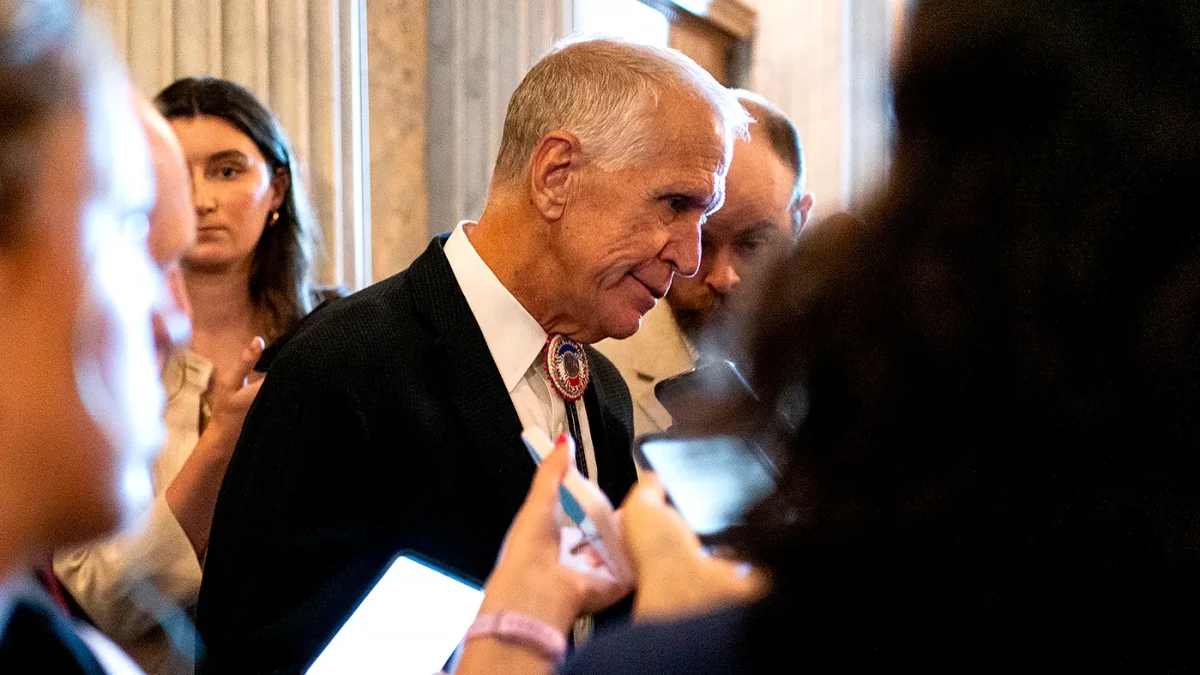
Table of Contents
Tillis says Trump’s Russia diesel deal could weaken sanctions push
Provpnadvice.com – Tillis says Trump s Russia deal risks undercutting congressional efforts to increase economic pressure on Moscow. Sen. Thom Tillis (R-N.C.) criticized President Trump over an arrangement for Russia to supply diesel fuel to the United States and global markets, arguing that the decision conflicts with a newly enacted sanctions law.
During an interview with Kristen Welker on NBC News’s “Meet the Press,” Tillis said the administration should focus on enforcing the Russia sanctions measure rather than opening the door to additional Russian energy supplies. His comments came as fuel costs remained an important issue ahead of the midterm elections.
“The president needs to move forward with the sanctions bill that we sent him. This agreement with pursing Russian oil is essentially, I think, tarnishing Lindsey Graham’s efforts to try and get the sanctions bill through,” Tillis said.
Russian diesel supply plan draws criticism
Trump announced Friday that Russia would provide diesel for the American and global marketplaces. The agreement calls for an immediate shipment of more than 300,000 tons of diesel, followed by another 500,000 tons during November and 1 million tons shortly afterward.
In a Truth Social post, Trump described his conversation with Russian President Vladimir Putin as successful and said the fuel would be supplied without delay.
“I have just concluded a highly successful discussion with President Vladimir Putin, of Russia, wherein it was agreed that Russia will immediately supply over 300,000 Tons of Diesel Fuel to the American and Global Marketplace, another 500,000 Tons during the month of November, and 1,000,000 Tons immediately thereafter,” Trump wrote.
Diesel plays a central role in freight transportation, farming, construction, rail service and backup power generation. Greater supplies can affect fuel availability and transportation costs, which may eventually influence prices for goods delivered to consumers.
Tillis says Trump’s Russia approach creates a difficult political and policy balance: easing pressure in diesel markets may offer short-term economic benefits, while expanding purchases of Russian fuel could weaken the broader effort to isolate Moscow financially during its war against Ukraine.
Sanctions law focuses on Russian energy revenue
Last month, Trump signed a Russia sanctions bill into law that authorizes additional sanctions and tariffs against Moscow. The measure was championed by the late Sen. Lindsey Graham (R-S.C.).
The law encourages Trump to impose tariffs of up to 100 percent on the five largest buyers of Russian energy. It also targets countries that help Russia evade sanctions, reflecting lawmakers’ view that oil and fuel exports are a major source of revenue for Moscow.
Tillis argued that the administration should implement the sanctions law as Congress intended instead of remaining open to Russian energy imports.
“So, the president should implement the sanctions bill, not be wide open to Russian energy,” he added.
The dispute highlights a wider question for U.S. policymakers: how to address domestic concerns about energy prices while maintaining pressure on Russia. As the proposed diesel shipments move forward, the administration is likely to face continued scrutiny over whether its energy policy aligns with its sanctions strategy.
Frequently asked questions
Why is Tillis criticizing the diesel arrangement?
Tillis believes accepting Russian diesel could contradict the purpose of sanctions intended to limit Moscow’s energy revenue and economic influence.
What does the Russia sanctions law allow?
The law gives the administration authority to impose additional sanctions and tariffs against Russia and to target major buyers of Russian energy or those helping Russia avoid restrictions.
How could diesel shipments affect U.S. consumers?
Diesel is widely used by freight carriers, farms, construction companies and rail operators. Changes in supply or price can influence transportation expenses and the cost of everyday goods.