Trump says he will ‘ultimately make decision’ on Fort Hood shooter execution livestream

Table of Contents
Trump Weighs Whether Fort Hood Shooter’s Execution Should Be Broadcast
Provpnadvice.com – President Trump said he has not yet made a final call on whether the planned firing-squad execution of former Army psychiatrist Nidal Hasan should be livestreamed, describing the question as a balance between public exposure and the risk of unnecessary spectacle.
Hasan was convicted for the 2009 shooting at Fort Hood, where he killed 13 people and wounded 32 others. His execution, set for Dec. 3 under a recommendation approved by Trump, would mark the first military execution in roughly 60 years if it proceeds as planned.
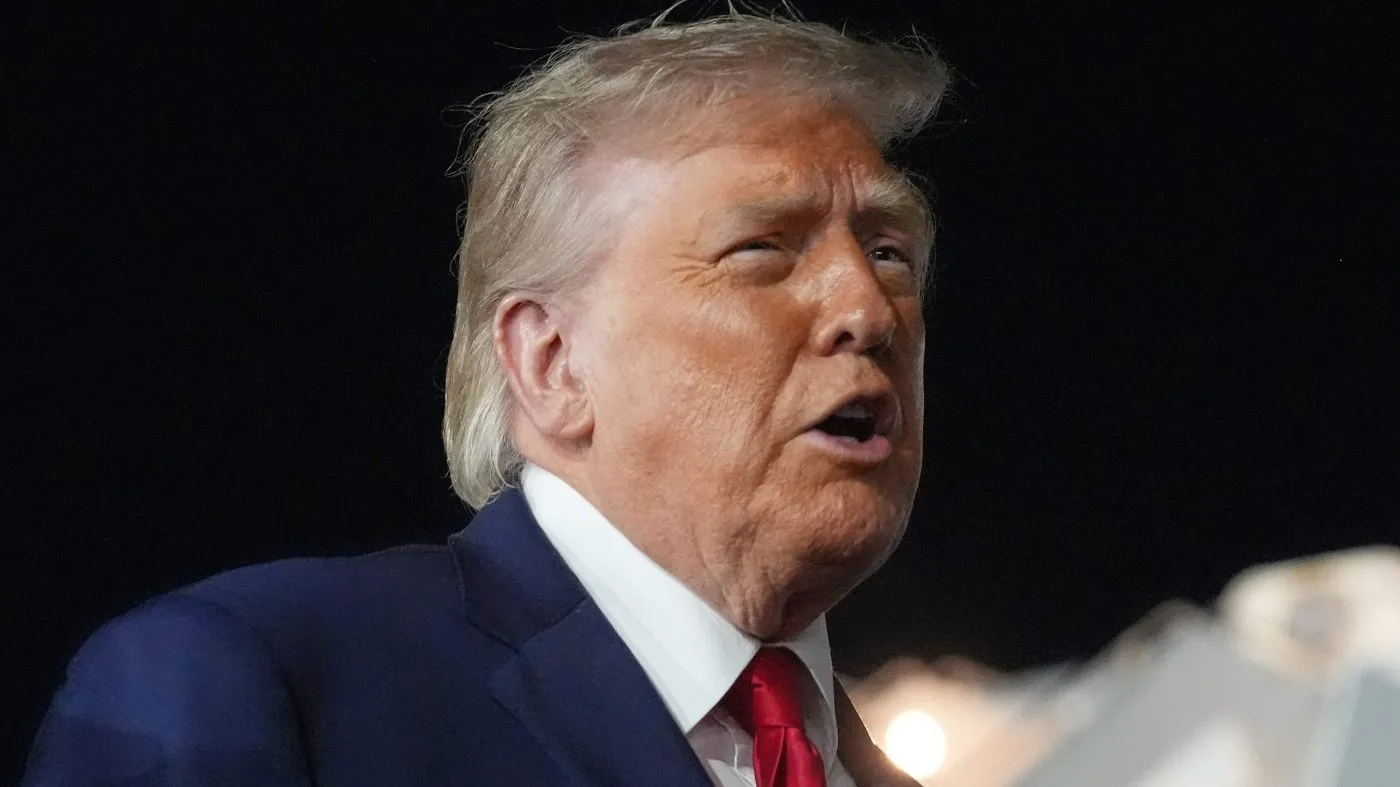
Speaking with reporters on the White House South Lawn on Saturday, Trump emphasized the lasting impact of the attack on victims and their families. He called Hasan a “vicious killer” and said some of those harmed would never fully regain their lives.
“He’s a vicious killer, killed 13 people in cold blood, wounded over 20. Some of those people will never have their lives back in a true sense,” Trump said. “He was vicious. He was violent.”
The president said there are competing views on making the execution available to the public. One argument favors withholding the broadcast, while another holds that showing the consequences of such violence could discourage future attacks. Trump said the military has its own preference, but added that the final determination would be his.
“There are two thoughts: don’t show it and show it, because you know by showing it, maybe other people won’t be doing what he did,” Trump said. “So I’ll make a decision ultimately. I know what the military would like to do, but we’ll make a decision.”
Execution Method Has Already Been Approved
The issue of a livestream concerns the public presentation of the execution, not whether Hasan will face the death penalty. Trump said Friday that officials were still considering a broadcast, but that Hasan would be executed by firing squad.
“So, I really don’t care how he goes, as long as he goes, and I think that the death penalty is a very worthy way of going for him,” Trump stated.
A White House spokesperson said Defense Secretary Pete Hegseth recommended that Hasan be put to death by firing squad on Dec. 3 and that Trump approved the recommendation. The decision has renewed attention on the military justice system, which differs from civilian criminal courts and has not carried out an execution since the 1960s.
Whether the event should be livestreamed has produced strong objections across party lines. Republicans and Democrats have criticized the proposed broadcast, reflecting concerns about the consequences of placing an execution before a potentially vast audience. The debate extends beyond Hasan’s case: it raises questions about deterrence, public accountability, the dignity of victims, and the possibility that a televised punishment could create a harmful spectacle.
A Deadly Attack at Fort Hood
The shooting took place in November 2009 at the Fort Hood processing center in Texas. Hasan opened fire on soldiers and civilians, killing 12 service members and one civilian. Thirty-two people were injured. At the time, it was the deadliest mass shooting ever carried out on a U.S. military installation.
Hasan was a major in the Army and worked as a psychiatrist before the attack. At his 2013 court-martial, he chose to represent himself. In his opening statement, he did not dispute that he was responsible for the shooting.
“The evidence will clearly show that I am the shooter,” Hasan said during the trial.
He also said the attack was connected to the U.S. wars in Afghanistan and Iraq. The court-martial convicted him and imposed a death sentence. The case has remained significant for military families, survivors and the broader armed forces because of both the scale of the violence and the years that followed before an execution date was set.
For victims, the looming execution may bring renewed public attention to an event that permanently altered their lives. Trump’s comments focused on the severity of Hasan’s crimes and the people injured in the attack, including those who continue to live with physical or emotional consequences.
Vance Says He Would Not Watch
Vice President J.D. Vance said Friday that he would not view the execution if it is broadcast. He also expressed uncertainty about whether a livestream would ultimately occur.
“I don’t know that that’s actually going to happen,” Vance said.
The administration’s final choice could determine how the military handles an execution of this kind after decades without one. A decision to broadcast would make the execution an unusually public event, while a decision against it would leave the proceeding limited to those authorized to attend or observe under military rules.
Trump has made clear that he supports carrying out Hasan’s sentence. The unresolved question is whether the public will be allowed to witness it remotely. As Dec. 3 approaches, that decision will remain closely watched by survivors, military personnel, lawmakers and death-penalty opponents and supporters alike.
Related Reading
Frequently Asked Questions
What is Trump says he will ultimately make?
Trump says he will ultimately make is the main topic of this guide. The article explains the context, practical details, and next steps readers should understand.
Why does Trump says he will ultimately make matter?
Trump says he will ultimately make matters because readers are looking for a useful answer, not just a short summary. Good content should match search intent and help them decide what to do next.