US reups do-not-travel warning for Russia over ‘suspected pneumonic plague’

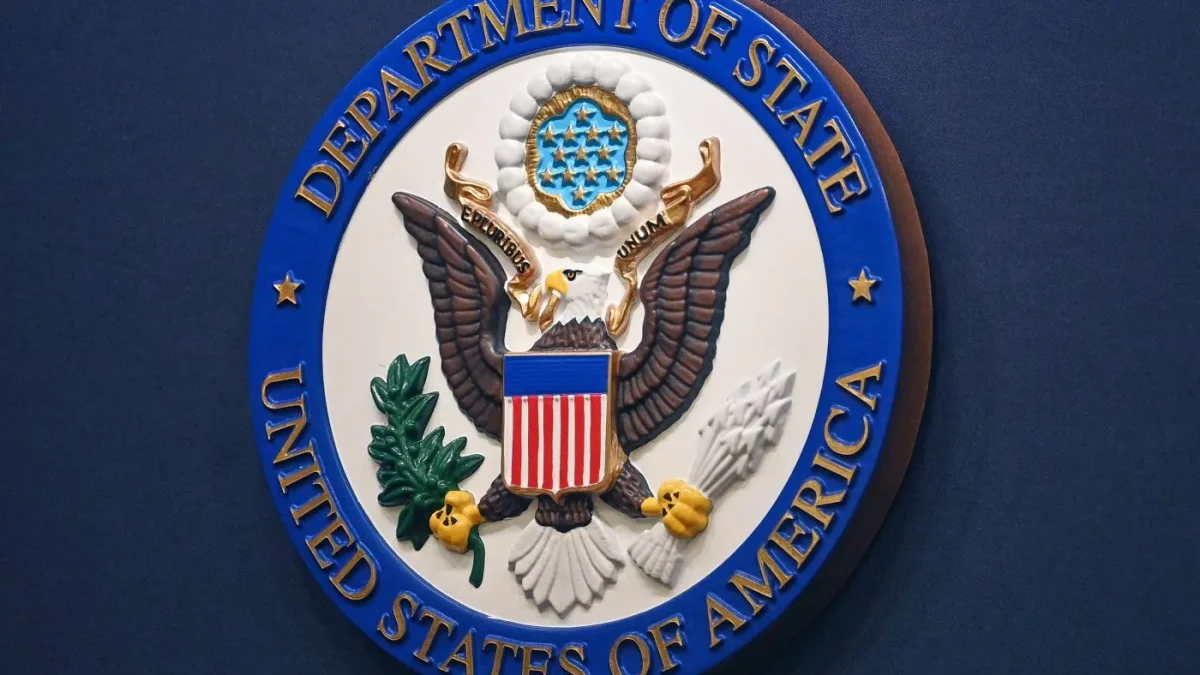
Table of Contents
U.S. Renews Warning Against Travel to Russia Amid Siberian Health Concern
Provpnadvice.com – The State Department has reiterated its strongest travel warning for Russia after authorities became aware of concerns surrounding a suspected case of pneumonic plague in the Irkutsk region of Siberia.
In a message posted Tuesday on X, the department said the U.S. Embassy was monitoring media accounts involving the death of one person and resulting public-health restrictions in Irkutsk. The developments have included quarantine measures and hospital closures in the region.
The U.S. Embassy is aware of press reports from the Irkutsk region of suspected pneumonic plague resulting in the death of an individual and of associated quarantine measures in, and closures of, hospitals in Irkutsk.
Officials emphasized that the situation remains under review and repeated that Americans should not travel to Russia. The country remains under the department’s Level 4 advisory, its most serious designation, which advises U.S. citizens already in Russia to leave without delay.
We continue to track the situation closely. The U.S. government has limited ability to help U.S. citizens in Russia, especially outside of Moscow.
Limited Assistance Outside Moscow
The renewed alert highlights a broader concern for Americans who may be considering travel to Russia or who remain there. The U.S. government has warned that its capacity to provide help to citizens is restricted, particularly in areas far from Moscow. Irkutsk, a major city in eastern Siberia, is thousands of miles from the Russian capital, making distance an important practical consideration during an emergency or rapidly changing health situation.
Travel advisories are intended to give citizens a clear assessment of risks that could affect their safety, access to transportation, availability of medical care, or ability to receive consular assistance. A Level 4 designation does not address only one event; it is a standing warning that reflects the government’s assessment of the overall environment for U.S. travelers.
The State Department’s language did not confirm that pneumonic plague was the cause of the death. Instead, it said it was aware of press accounts describing a suspected case and was continuing to follow developments. That distinction is significant because Russian authorities had not publicly identified a specific cause of death.
Death Under Investigation
The concern centers on a 28-year-old laboratory worker who may have been exposed to pneumonic plague. She worked at an institute involved in combating plague and died after the possible exposure. Around 200 people in Siberia were placed under medical observation in connection with the case.
On Sunday, Russia’s consumer welfare service said the woman died from “pneumonia of unknown etiology.” The description means that the cause of the pneumonia had not been determined. Russian authorities did not provide a definitive explanation for her death.
Pneumonic plague is the form of plague that affects the lungs. Its suspected appearance can prompt intensive precautionary measures because respiratory illnesses may require close monitoring of people who had contact with a patient. The reported quarantine steps and hospital disruptions in Irkutsk reflect the seriousness with which officials can respond when a potentially dangerous infectious disease is being investigated.
For travelers, the key issue is not simply the possibility of a single illness but the uncertainty that can follow an active investigation. Local rules can change quickly, hospitals may face temporary restrictions, and transportation or routine services can be affected by quarantine decisions. Americans in Russia should remain attentive to official notices and make travel plans with the State Department’s warning in mind.
Trump Voices Concern
President Trump addressed the suspected case Monday before departing the White House for Nebraska. He said the United States was examining the matter closely and expressed concern for those affected.
I hate to see them having it. It’s a rough disease. We used to be able to control, but somehow those microbes have gotten stronger and smarter.
Trump also said the administration was “looking at it very strongly.” His remarks came as questions continued over whether the laboratory worker’s illness was connected to pneumonic plague and what additional public-health measures might be needed.
At this stage, the central facts remain limited: one person has died, authorities described the death as pneumonia of unknown cause, and medical observation and quarantine-related measures have been reported in Siberia. The U.S. Embassy and State Department are monitoring the circumstances while maintaining their existing advice that Americans should avoid travel to Russia.
Anyone currently in Russia should keep track of local public-health guidance, possible hospital restrictions, and transportation options. The State Department’s renewed reminder also underscores that U.S. citizens outside Moscow may have especially limited access to government assistance if conditions worsen or if travel becomes more difficult.
Related Reading
Frequently Asked Questions
What is US reups do not travel warning?
US reups do not travel warning is the main topic of this guide. The article explains the context, practical details, and next steps readers should understand.
Why does US reups do not travel warning matter?
US reups do not travel warning matters because readers are looking for a useful answer, not just a short summary. Good content should match search intent and help them decide what to do next.