Trump is turning out Democrats, but can he still do it for the GOP?

Table of Contents
Trump’s Political Gravity Is Reshaping the 2026 Midterms
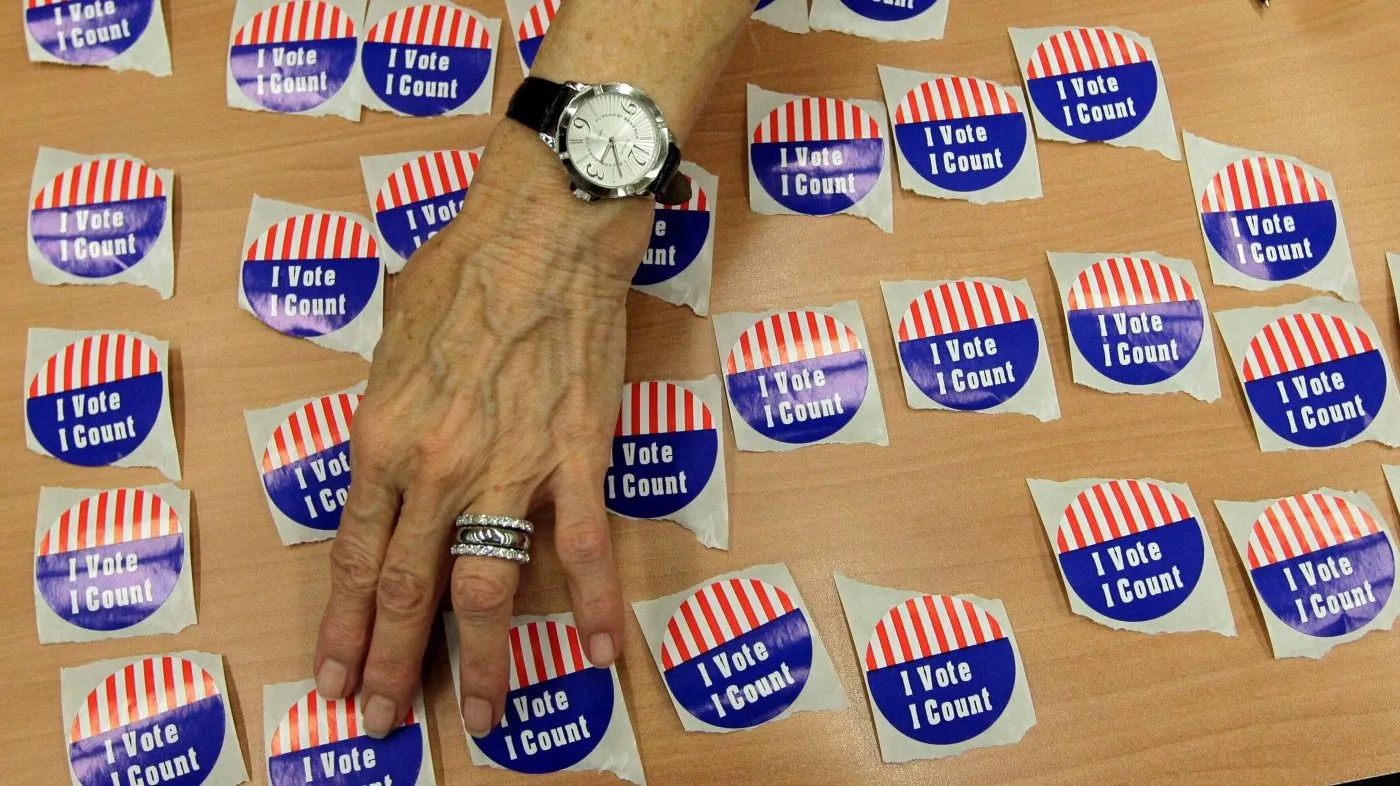
Provpnadvice.com – Voting is already underway in six states as the 2026 midterm campaign enters its closing stretch. By the end of the following week, 19 states are expected to have opened early voting, beginning a process that will ultimately produce well over 100 million ballots. Roughly half of those votes are likely to be submitted before Election Day on Nov. 3.
The central question is not simply how many people vote. It is which voters show up, which voters stay home and whether the patterns that have defined the Trump era continue into another national election.
Midterm elections usually involve a sharp decline from presidential-year participation. The 2024 presidential contest produced 155,552,842 valid votes, representing about 64 percent of the voting-eligible population. If turnout falls by roughly one-third, as it often has in recent midterms, total participation this year could land near 103 million.
Turnout Has Become the Defining Variable
The extraordinary participation of 2020 had clear circumstances behind it. More than two-thirds of eligible voters cast ballots, the highest level of the post-Voting Rights Act period. The pandemic expanded access to mail and early voting, while a public-health crisis, social unrest and widespread political anxiety gave many people unusual reasons to engage. Americans also had more time at home than in a typical election year.
Yet the rise in participation cannot be explained only by COVID-19. Two years earlier, the 2018 midterms had already produced an unusually large electorate. About half of eligible voters participated in that contest, a share comparable with turnout in certain presidential elections during the late 1980s and 1990s.
Participation eased in 2022, reaching about 45 percent, but that remained far above the 34.4 percent recorded in 2014. In broad terms, 2022 looked more like a return to the usual midterm range: turnout often settles in the low 40-percent range when the presidency is not on the ballot.
For voters, this is more than an abstract statistical exercise. A few percentage points can alter the composition of the electorate dramatically. Midterms reward parties whose supporters feel urgency, while punishing those whose voters are dissatisfied, complacent or simply less inclined to vote outside presidential years.
The Boom-and-Bust Pattern Before Trump
The 2010s showed how quickly turnout shifts can reverse political fortunes. Barack Obama’s 2008 victory brought many Democrats from red states into office alongside him. But a considerable share of his coalition, including many newer voters, did not return in 2010. Republicans reclaimed much of what they had lost and expanded their position further.
Obama won reelection in 2012 by a narrower margin, helping Democrats recover some ground. Then came 2014, when Democratic participation collapsed. Republicans’ 2010 gains are often remembered as the defining tea party wave, particularly because the GOP won the largest House gain by either party since World War II. But Republicans reached an even stronger position four years later.
In 2014, the GOP held a 30-seat House majority and flipped nine Senate seats, the highest number of Senate switches since 1946. Several forces contributed, but the decisive electoral condition was the absence of many Democratic voters and Democratic-leaning independents.
That 2014 turnout low point also previewed the 2016 presidential election. Participation did not reach the level Democrats needed, and a Republican candidate delivered one of the most startling presidential upsets since Harry Truman’s 1948 comeback. Some Democratic voters had become weary after eight years of unified influence, unhappy with their nominee or convinced that a reality television star could not win.
Trump Mobilizes Supporters and Opponents
Donald Trump’s rise changed the turnout equation for both parties. His first presidential victory might have seemed like an isolated event if the elections that followed had returned to older patterns. Instead, Trump and the political movement around him intensified engagement across the electorate.
His appeal has helped bring lower-propensity, largely white working-class voters into the political process. At the same time, his presence has energized college-educated suburban voters who strongly oppose him and who tend to vote at higher rates. The result has been an era in which Trump can drive turnout among groups that favor Republicans while also motivating key Democratic constituencies.
That dual effect is especially important in 2026, the sixth and final election of the Trump era described by the current political cycle. Republicans understand the risk in a conventional post-presidential turnout decline. If the electorate shrinks by something close to 42 million votes from the presidential election two years earlier, the missing voters could lean disproportionately Republican or toward GOP-friendly independents.
The challenge for Republicans is therefore not simply persuading undecided voters. It is ensuring that voters drawn into politics by Trump remain motivated when congressional contests, governors’ races and state-level campaigns dominate the ballot. Democrats, meanwhile, have a familiar incentive of their own: maintain the intensity that Trump has repeatedly generated among voters alarmed by his political influence.
Early voting offers only the beginning of the story. The eventual outcome will depend less on the spectacle of ballots arriving than on the identity of the voters behind them. In a country where turnout has repeatedly redirected national power, the 2026 midterms may again be decided by the people who choose to participate when the presidency itself is not at stake.
Related Reading
Frequently Asked Questions
What is Trump is turning out Democrats but can?
Trump is turning out Democrats but can is the main topic of this guide. The article explains the context, practical details, and next steps readers should understand.
Why does Trump is turning out Democrats but can matter?
Trump is turning out Democrats but can matters because readers are looking for a useful answer, not just a short summary. Good content should match search intent and help them decide what to do next.