Hegseth indicates some US troops could be redeployed from Europe to Western Hemisphere

Table of Contents
Hegseth Indicates Troop Shift to Western Hemisphere
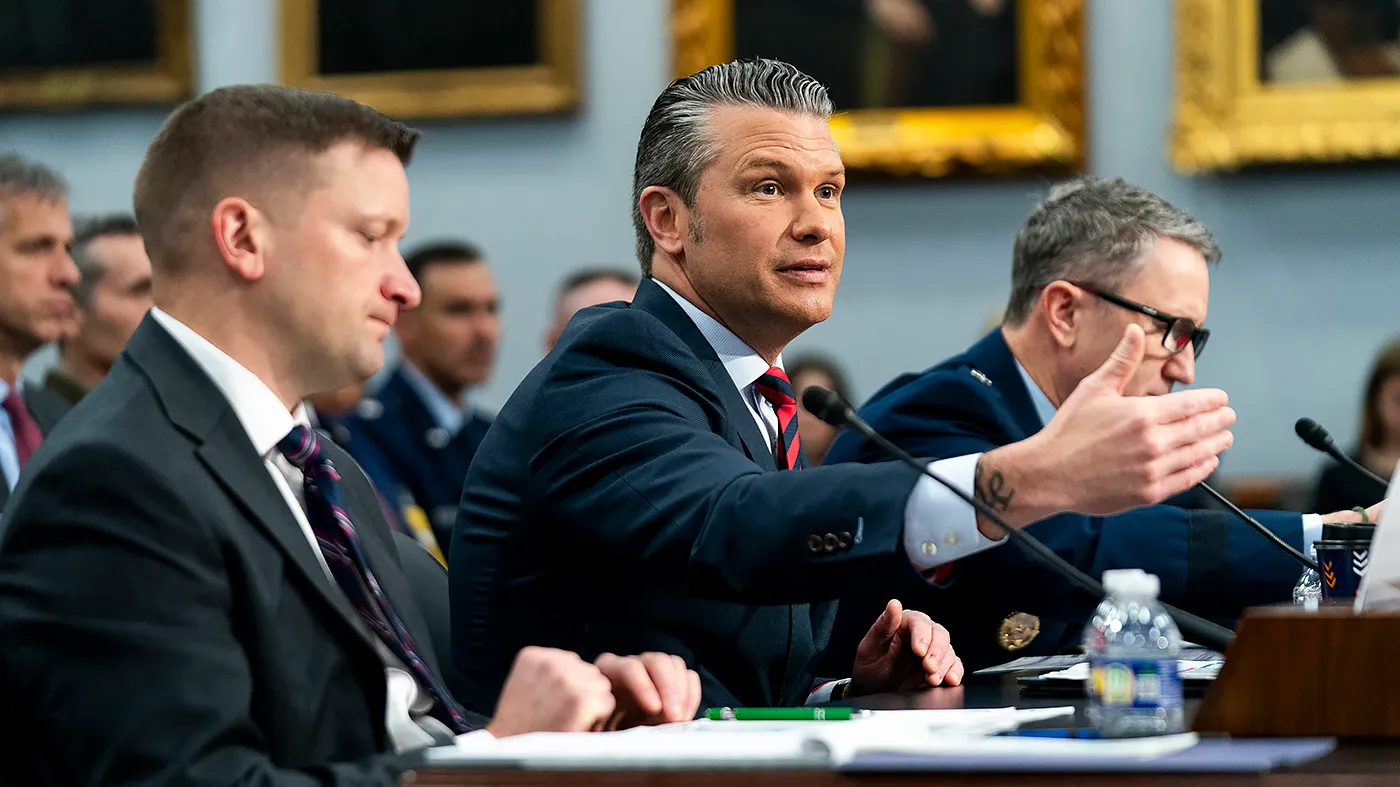
Provpnadvice.com – Hegseth indicates some US troops could be redeployed from Europe to the Western Hemisphere as the Pentagon reviews its overseas force posture and expands cooperation with regional partners. Defense Secretary Pete Hegseth said the potential shift could support the administration’s campaign against drug cartels and other designated terrorist organizations.
Speaking in Colorado Springs, Colorado, Hegseth said the United States is increasing its presence in Central and South America through partnerships with countries including Ecuador, Honduras, Guatemala and Panama. He also pointed to new economic and military options following the U.S. military capture of former Venezuelan leader Nicolás Maduro.
“We’re definitely expanding our presence and our footprint in Central and South America with partners, and because of the bold move the president made in Venezuela, we have a whole new suite of options economically and militarily with partnerships.”
Europe Review May Reposition U.S. Capabilities
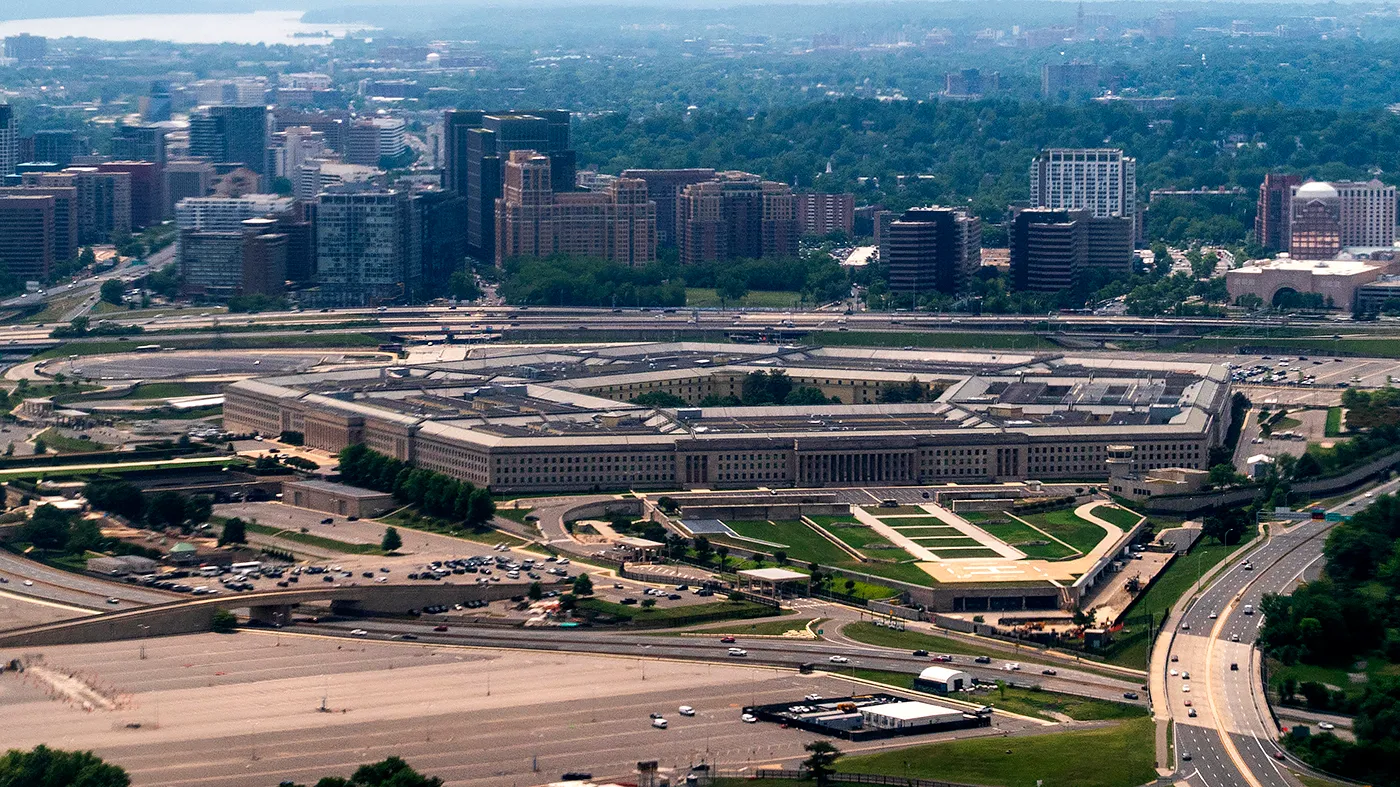
The possible redeployment is tied to a six-month Pentagon review of the U.S. military posture in Europe, which is expected to conclude in December. The administration has said NATO allies should assume a greater share of conventional defense responsibilities on the continent.
Hegseth indicates some US troops and capabilities currently based in Europe may be reassigned as allied nations take on more responsibility. Those assets could return to the United States, move to a future domestic base, or support a different military posture in the Western Hemisphere.
“As we do that, a lot of…some of those capabilities are going to move elsewhere, either back home to the big, beautiful base that we’re going to build that we announced a couple of days ago, or to a different posture in the Western Hemisphere as we get after these designated terrorist organizations.”
The United States does not currently operate a large military base in South America. Hegseth has promoted the idea of building a major new domestic base and has asked governors and state adjutants general to present proposals for the project.
Latin America Operations Target Drug Networks
Since last fall, the Pentagon has intensified operations against drug-trafficking organizations in Latin America. The campaign has included strikes on alleged drug-smuggling boats in the Caribbean and eastern Pacific.
Beginning Sept. 2 of last year, U.S. forces have conducted at least 70 strikes and killed 234 people whom the administration described as “narco-terrorists” on both sides of South America.
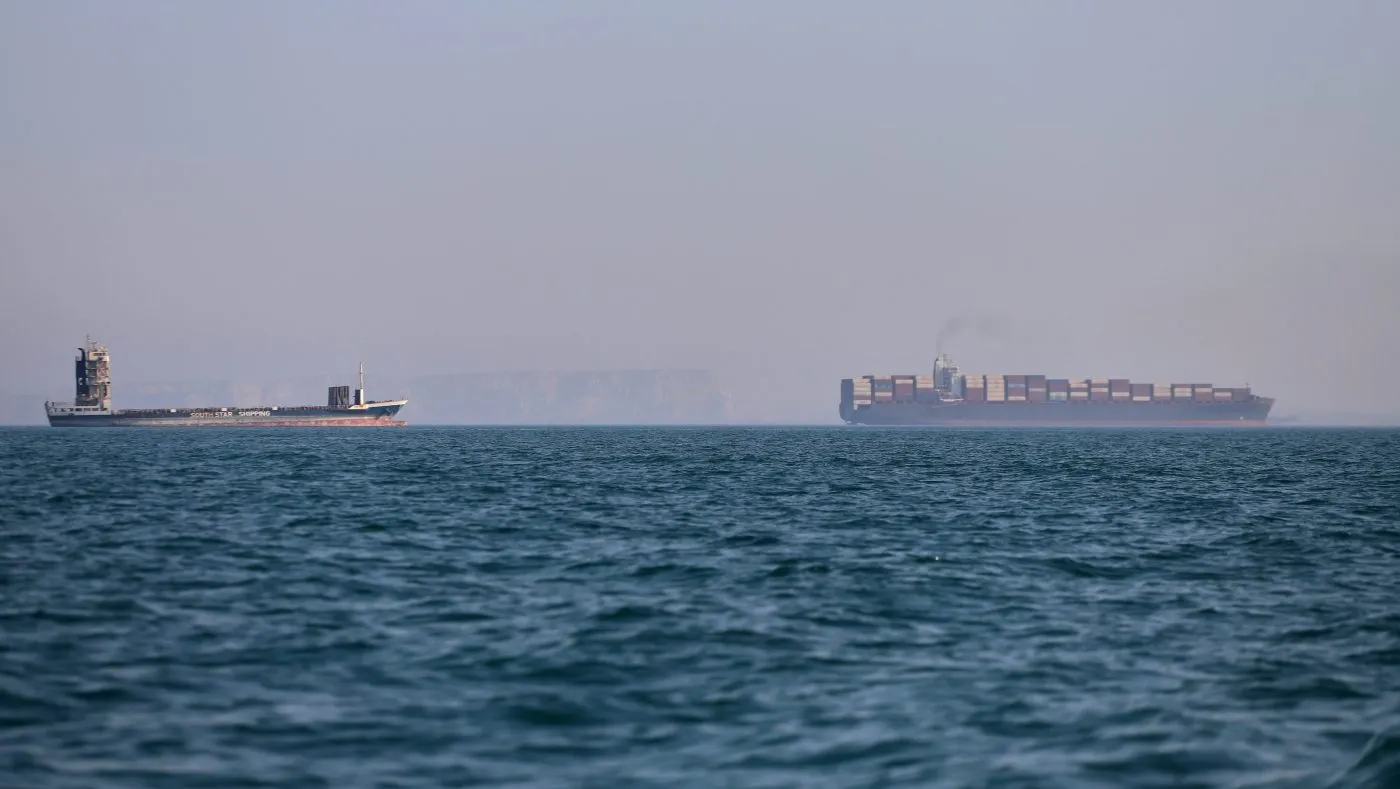
More recent operations have targeted what officials call floating refueling stations. Large fishing vessels operating off Ecuador’s coast have been intercepted, their crews removed and the vessels destroyed. The administration has described the approach as a way to avoid endangering people aboard the ships.
Officials say these maritime operations, intelligence sharing and regional partnerships are intended to disrupt illicit drug flows and weaken cartel networks viewed by the U.S. government as threats to the homeland.
Ecuador Shows the Partnership Model
The growing relationship with Ecuador illustrates the broader strategy. Last week, roughly 50 U.S. service members and law-enforcement personnel participated in operations involving alleged drug traffickers on the ground in Ecuador, while Ecuadorean police carried out the raids.
Before those operations, U.S. military personnel worked with Drug Enforcement Administration counterparts, Ecuadorean police and Ecuadorean military forces. The United States has previously provided partner countries, including Ecuador, with equipment, training and intelligence support for actions against criminal organizations.
U.S. special operations forces are expected to help partner units strengthen command-and-control capabilities and develop intelligence after a target has been established. Hegseth indicates some US troops could support this type of partner-focused mission if the Pentagon adjusts its force posture.
“Then we bring our special operations forces with their abilities to do sensitive site exploitation to develop the intelligence for the next operation.”
FAQ: U.S. Troops and the Western Hemisphere
Would a move from Europe mean the U.S. is leaving NATO?
Not necessarily. The administration’s position is that European allies should take on more conventional defense duties, while the United States adjusts some capabilities for other security priorities.
Which countries could work more closely with U.S. forces?
Hegseth specifically cited Ecuador, Honduras, Guatemala and Panama as partners in the expanding Western Hemisphere effort.
What is the stated purpose of the expanded presence?
Officials say the effort is aimed at disrupting illicit drug trafficking, weakening cartel networks and supporting partner governments through training, intelligence and operational cooperation.