Trump backs data centers in Ohio amid tight Senate race

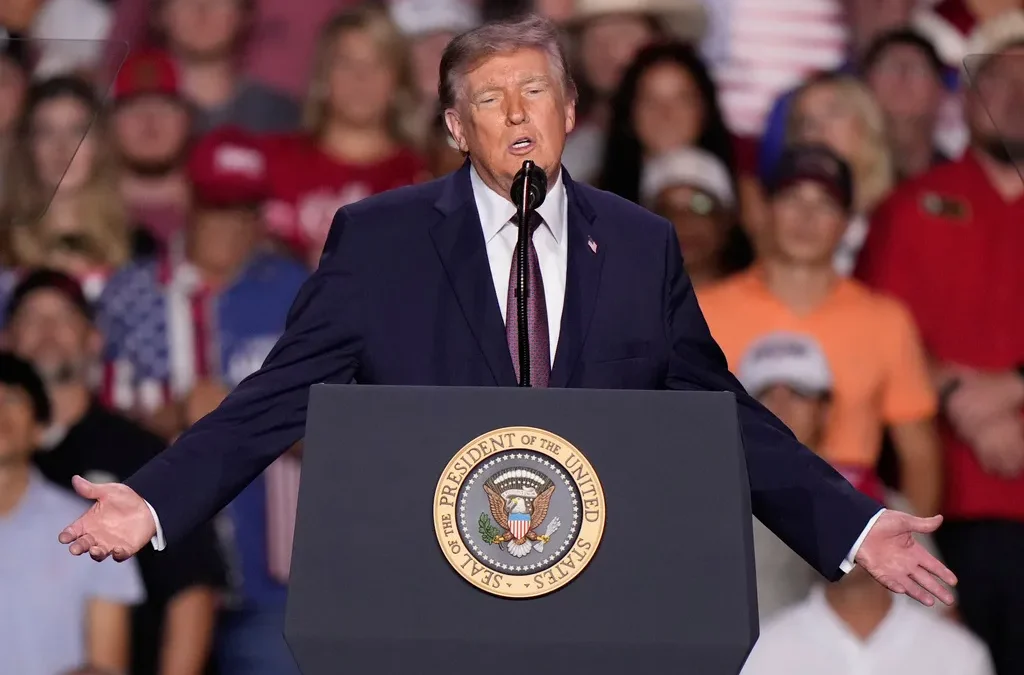
Table of Contents
Trump Promotes Ohio Data Centers as Senate Contest Intensifies
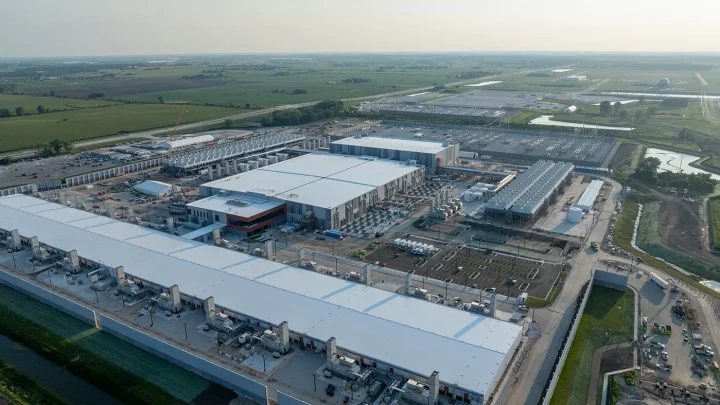
Provpnadvice.com – President Trump used a Saturday campaign rally in Vandalia, Ohio, to make the case for expanded data-center construction, tying the enormous facilities to economic opportunity and the United States’ competition with China in artificial intelligence.
Data centers have become a significant political issue in Ohio, where a closely watched Senate race is unfolding alongside wider public concerns about how the AI buildout could affect electricity costs, water use and local infrastructure. Trump argued that Ohio should welcome the investment rather than risk seeing projects move overseas.
“There’s so much money to be made for Ohio. You can’t just turn them off. They’ll go to China,” Trump told the crowd.
The president framed the facilities as central to the next phase of the technology race. Data centers house the servers and computing equipment used to train, operate and support AI systems. Trump has increasingly referred to the technology as “superintelligence,” and he said the infrastructure behind it could provide benefits for Ohio communities.
He also said his administration is seeking ways to make certain that the communities hosting such projects see tangible advantages.
AI Infrastructure Meets Local Concerns
The national push to add computing capacity has brought new scrutiny to the local impact of large-scale facilities. Residents, elected officials and consumer advocates in various parts of the country have questioned whether the substantial power requirements of data centers could raise utility expenses for households and small businesses. Water consumption has also been a recurring concern, particularly where cooling systems are needed to keep equipment operating.
Those objections have created an uncomfortable political challenge for Republicans as the midterm elections approach. Supporters of data-center development emphasize jobs, investment and the strategic importance of maintaining U.S. leadership in AI. Critics argue that communities need stronger protections against bearing the financial or environmental costs of projects driven by large technology companies.
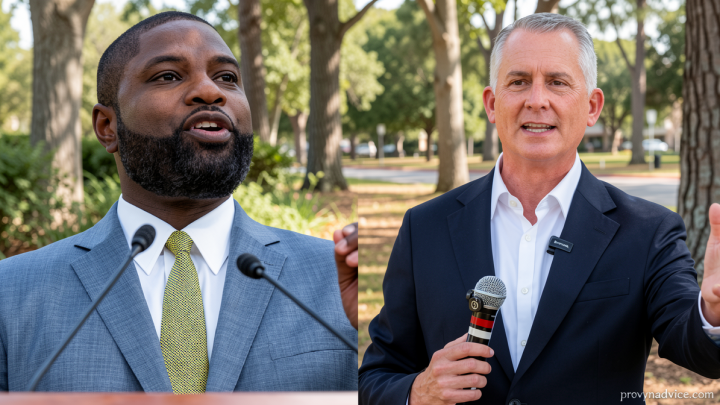
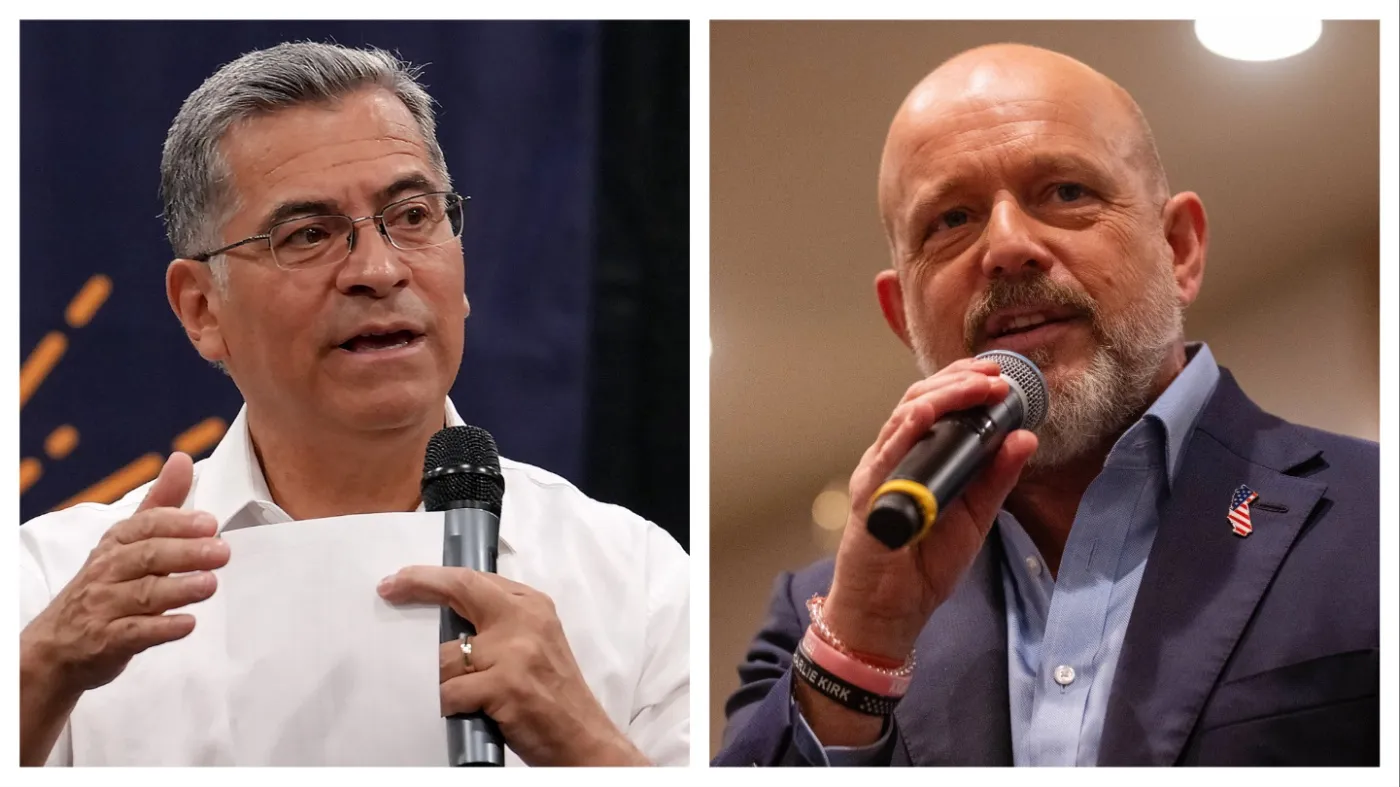
In Ohio, the debate has become closely linked to the race involving Sen. Jon Husted, the Republican appointed to the Senate seat left vacant when Vice President Vance departed the chamber. Husted is facing former Sen. Sherrod Brown, a Democrat, in what is expected to be a competitive contest.
Husted attended Trump’s Vandalia rally and has faced criticism for supporting efforts to attract data centers to the state while he was Ohio’s lieutenant governor. The dispute is especially consequential because the projects can involve major tax incentives, utility planning decisions and long-term demands on local energy systems.
Husted Bill Focused on Power Costs
Husted has sought to respond to the criticism with legislation aimed at assigning more of the cost of electricity service to large users. His proposal would require major power consumers to take on a greater share of the expenses associated with their demand.
The Republican-controlled Senate attempted to move the measure forward, but Senate Democrats blocked it. The outcome left the issue unresolved and gave both parties material for their competing campaign arguments.
Brown has argued that Ohio residents should not be left paying for incentives and infrastructure connected to major technology companies. In a Friday post on X, he criticized Husted’s record on data centers and tax breaks.
“Senator Jon Husted gave billions in tax breaks to Big Tech to make sure they would build their data centers in Ohio,” Brown wrote. “Now, he’s making Ohioans foot the bill.”
The exchange reflects a broader question confronting states seeking technology investment: how to capture the economic benefits of new facilities while ensuring that ratepayers and host communities are protected. Data centers can bring construction activity, tax revenue and related business opportunities, but their scale can also require significant additions to electricity generation, transmission and distribution capacity.
Trump’s Broader Case for Expansion
Trump has consistently supported a rapid expansion of AI-related infrastructure, presenting it as a strategic requirement in the competition with China. His remarks in Ohio followed that pattern, with the president dismissing arguments that the growth of the technology itself should slow the construction of new facilities.
For Ohio voters, however, the debate is not limited to international competition. It also involves practical questions about who pays for power upgrades, whether tax incentives are justified and what commitments companies should make to the communities where they build.
The Vandalia rally highlighted how those local questions are now part of a larger Senate campaign narrative. Trump’s endorsement of data-center growth gives Husted support from the top of the Republican ticket, while Brown is attempting to turn concern over utility costs and corporate incentives into a central contrast for voters.
As AI investment accelerates, Ohio’s debate may offer an early test of how political leaders balance economic-development ambitions with demands for affordability and local accountability. The contest between Husted and Brown is likely to keep that balance in focus throughout the midterm campaign.
Related Reading
Frequently Asked Questions
What is Trump backs data centers in Ohio?
Trump backs data centers in Ohio is the main topic of this guide. The article explains the context, practical details, and next steps readers should understand.
Why does Trump backs data centers in Ohio matter?
Trump backs data centers in Ohio matters because readers are looking for a useful answer, not just a short summary. Good content should match search intent and help them decide what to do next.