Indiana governor extends gas tax suspension

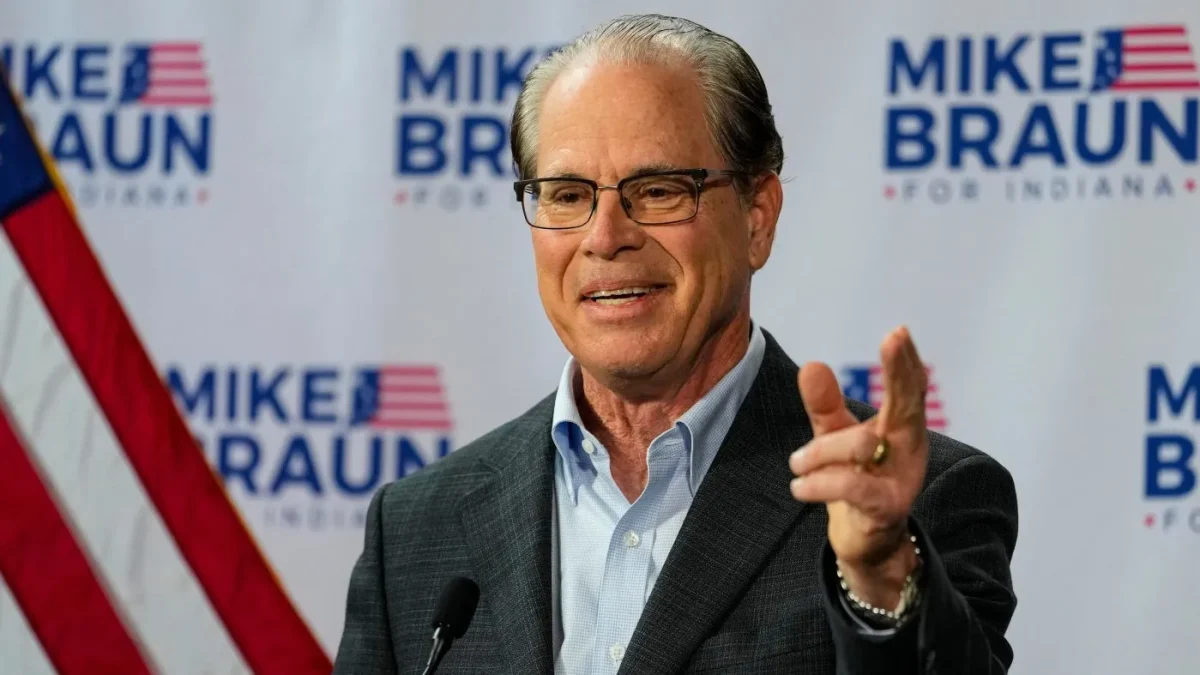
Table of Contents
Indiana Keeps Gas Tax Relief in Place as Fuel Costs Climb
Provpnadvice.com – Indiana drivers will continue receiving relief at the pump after Gov. Mike Braun announced Wednesday that the state’s suspension of its gas tax will remain in effect through early November. The extension comes as the war in Iran and disruptions to global oil supplies continue to push fuel costs higher.
Braun, a Republican, said the latest action also includes additional assistance for the state’s farmers, whose work can be especially sensitive to sharp increases in fuel expenses. Diesel and gasoline are major operating costs across planting, harvesting, transportation and other parts of agricultural production.
“Today I announced another gas tax extension with additional relief for farmers,” Braun said in a post to social platform X. “Our farmers have the hardest job in America.”
The governor linked the state action to the broader pressure created by instability in international energy markets. With higher prices affecting both household budgets and farm operations, the temporary tax relief is intended to reduce part of the cost paid by Hoosiers when they fill up.
“The added cost of fuel prices caused by continued disruptions to the global oil supply can make a major difference in our farmers’ success and their ability to put food on the table for their families,” the governor added.
A temporary measure extended several times
Indiana first paused its sales tax on gasoline for 30 days in early April. Braun has renewed the suspension multiple times since then as fuel prices remained elevated. The new extension carries the policy into early November.
When the initial suspension was announced, Braun said state officials would monitor whether the tax break was reaching consumers. A tax suspension is designed to lower the cost charged at the pump, but the practical value to motorists depends on how those savings appear in retail prices from week to week.
“The state will be watching the pumps to make sure savings are delivered to Hoosiers when they go to fill up each week, or whenever they do,” the governor said at the time.
For Indiana residents, the policy does not eliminate the many factors that determine the price of a gallon of gas. Crude oil markets, refining costs, transportation, local competition and other taxes can all affect what motorists pay. Still, removing the state sales tax is one step state leaders can take while international supply concerns remain outside their direct control.
War-related energy disruptions reshape the political debate
Energy costs have risen since the United States and Israel began their attack against Iran in late February. The conflict has led to the effective closure of the Strait of Hormuz, one of the world’s most important passages for oil shipments. Any prolonged interruption along that route can create pressure throughout global energy markets because of its importance to the movement of petroleum supplies.
High gasoline prices have also become a growing political issue across the Midwest. Elected officials and candidates in states including Iowa and Ohio have called for the war in Iran to end quickly as the conflict becomes less popular and fuel prices remain high. Several Republican officeholders are facing difficult reelection contests amid the broader political fallout.
For consumers, rising pump prices can be immediately visible in weekly spending. For farmers, the effect can extend beyond personal travel. Fuel is used in machinery, hauling, deliveries and the day-to-day work required to bring crops and other agricultural products to market. Braun’s decision to pair another tax extension with additional farm relief reflects those distinct pressures.
Indiana prices remain below the national average
As of Wednesday night, regular gasoline averaged roughly $4.43 per gallon nationwide, AAA figures showed. That was substantially higher than the approximate $3.15 average recorded at the same point a year earlier.
Indiana’s average stood at about $3.83 per gallon, below the national figure but still well above the level seen in September 2025, when the state average was around $3.09. The difference illustrates why state-level tax relief may matter to drivers even when Indiana prices remain lower than the national average.
The extension gives motorists and agricultural producers a measure of short-term certainty through early November. Its longer-term effect will depend on developments in the Iran conflict, the status of oil flows through the Strait of Hormuz and the direction of global fuel markets. For now, Indiana’s approach is focused on easing a portion of the price burden while those larger forces continue to influence costs at the pump.
Related Reading
Frequently Asked Questions
What is Indiana governor extends gas tax suspension?
Indiana governor extends gas tax suspension is the main topic of this guide. The article explains the context, practical details, and next steps readers should understand.
Why does Indiana governor extends gas tax suspension matter?
Indiana governor extends gas tax suspension matters because readers are looking for a useful answer, not just a short summary. Good content should match search intent and help them decide what to do next.