Missouri Secretary of State faces contempt hearing amid redistricting fight

Table of Contents
Missouri election map dispute heads to state Supreme Court contempt hearing
Provpnadvice.com – Missouri Secretary of State Denny Hoskins is scheduled to appear before the Missouri Supreme Court on Thursday morning as a dispute over the state’s congressional districts produces competing state and federal directives ahead of the 2026 general election.
The hearing centers on whether Hoskins should be held in contempt after directing local election officials to proceed with the newly drawn congressional map known as HB 1. The Missouri Supreme Court had issued a Sept. 3 order preventing use of that map for the November elections, but a later federal ruling required election officials to use the GOP-backed boundaries.
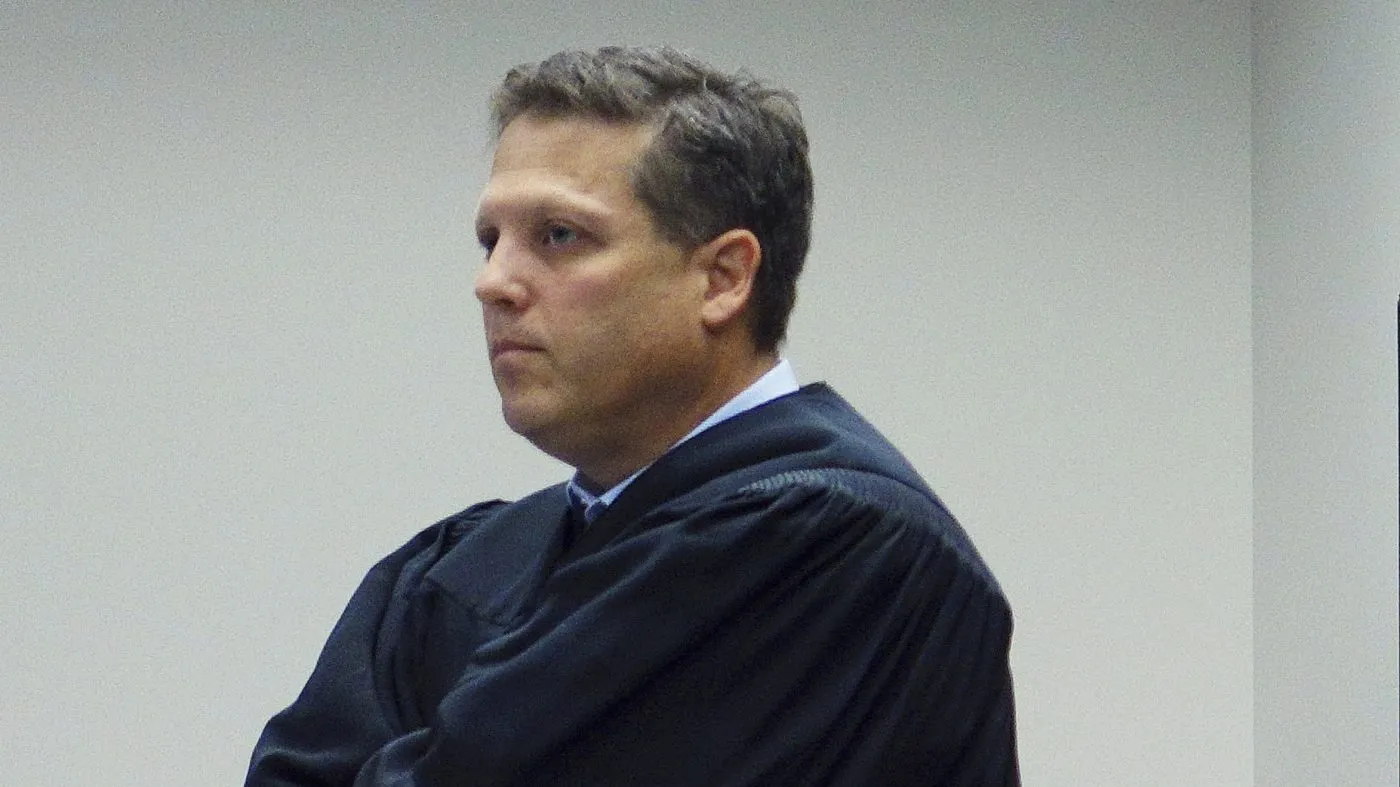
Late Wednesday, U.S. District Judge Stephen Clark declined Missouri officials’ request to halt the state Supreme Court proceeding before it began. His decision left Thursday’s hearing in place while preserving the separate federal order involving the congressional map.
“Numerous considerations counsel this Court against enjoining a state court of last resort, particularly before it even conducts a hearing,” Clark wrote.
Clark emphasized that intervening against another court, especially a state’s highest court, would be an exceptional step. He noted that the Missouri Supreme Court could reject the requested contempt finding or postpone action while federal litigation continues.
“For starters, the Supreme Court of Missouri is a fellow court, and a court of a separate sovereign. And enjoining another court’s hearing is an extraordinary measure that pretermits that court’s decision—that court could deny the relief requested, or hold any ruling in abeyance pending further federal proceedings,” he added.
Competing court orders create election-law clash
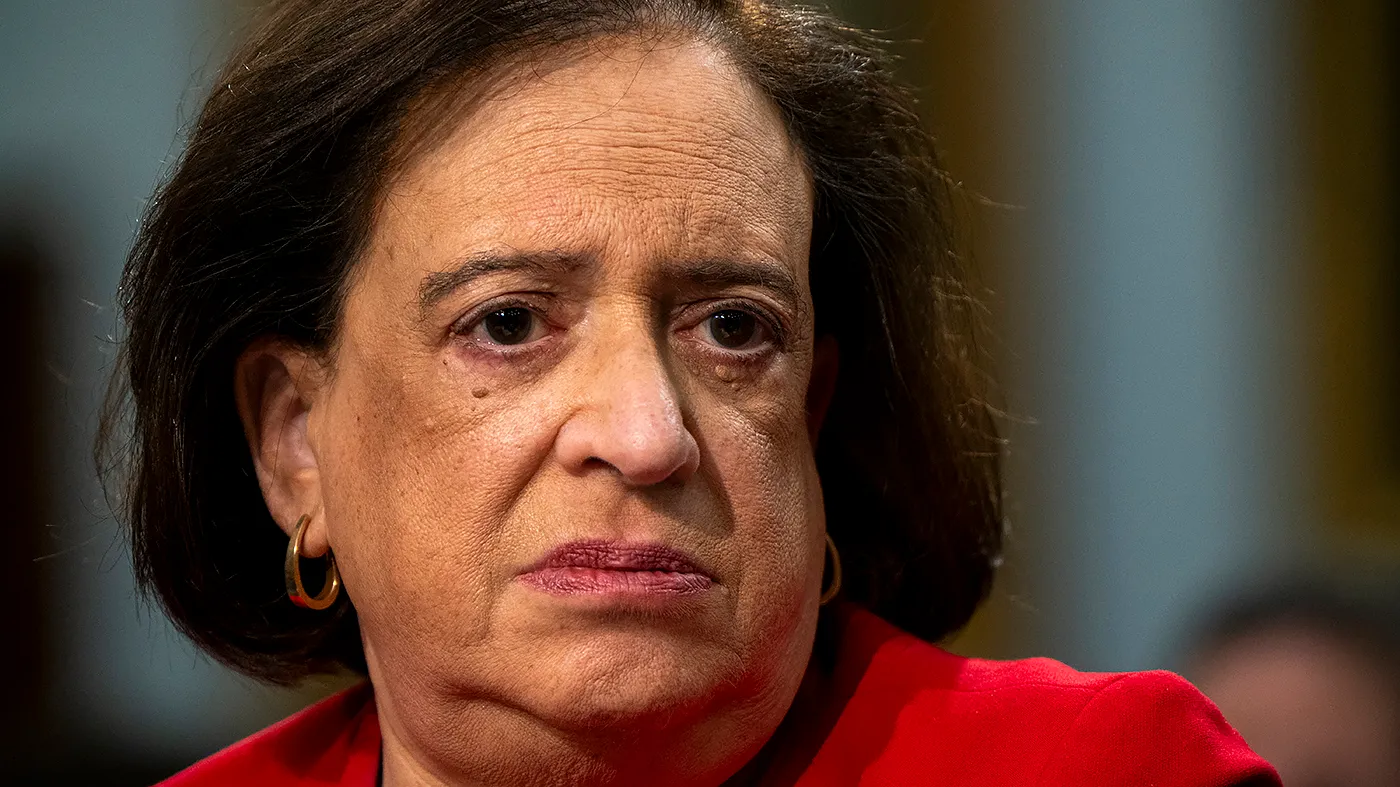
The conflict grew sharper on Wednesday when Republican Attorney General Catherine Hanaway’s office asked Clark to block what it described as an effort by the state Supreme Court to punish Hoskins for following a federal order. The filing argued that a federal court may act under an exception to the Anti-Injunction Act when intervention is needed to safeguard or carry out its judgments.
State lawyers maintained that Clark’s temporary restraining order governs the administration of the federal congressional election and therefore takes priority over a state-law ruling requiring a different map.
“This Court — a federal court — has given Secretary Hoskins an order — under federal law — to implement the HB 1 map for the 2026 General Election,” Hanaway’s office wrote. “That governs over a state court order —relying only on state law — to use a different congressional map for the 2026 General Election.”
The state’s filing also dismissed the controversy as straightforward, stating: “Despite von Glahn’s antics, this case is not particularly complicated.”
Richard von Glahn, who initiated the challenge to the Republican-favored boundaries, has taken the opposite view. His legal team asked the Missouri Supreme Court on Tuesday to find Hoskins in contempt for failing to follow its Sept. 3 injunction.
Von Glahn’s attorneys argued that the contempt matter does not reopen the federal case or decide whether the secretary of state has authority to employ HB 1. Instead, they said, the state court is considering whether its own order was obeyed.
“The Missouri Supreme Court ’s contempt proceeding does not relitigate anything the federal court decided,” the attorneys wrote. “The state court is not asking whether the Secretary has a right to use the HB 1 map — it is asking whether the Secretary is in contempt of the state’s highest court.”
Map could reshape Missouri’s congressional delegation
The HB 1 plan is politically significant because it would create a potential 7-1 Republican advantage in Missouri’s congressional delegation. Such a result could give Republicans an opportunity to gain a House seat during the midterm elections.
Redistricting fights often carry consequences beyond line-drawing. Congressional maps determine which communities vote together, where candidates must campaign and how competitive particular districts may become. In this case, the central question has moved beyond the map’s design and into a dispute over which court order election administrators must follow.
Republicans sought emergency relief from the U.S. Supreme Court after the Missouri Supreme Court blocked the new map. Justice Brett Kavanaugh declined to intervene Tuesday in a one-line order that did not explain the decision.
Hours later, Clark issued a temporary restraining order in a separate lawsuit brought by Rep. Rob Onder, a Missouri Republican. The federal judge directed state election officials not to use any congressional boundaries other than the newly adopted map. Clark said the order was necessary to prevent broad voter confusion.
Hoskins relied on that federal ruling in an email sent Tuesday evening to local election authorities. He instructed them to continue preparing elections under the GOP-backed map and stated that the federal decision “takes precedence” over the Missouri Supreme Court’s earlier order.
Von Glahn responded by urging the state’s highest court to compel compliance with its injunction. His attorney argued that only the U.S. Supreme Court could supersede the Missouri Supreme Court’s order in this situation.
“This Court should make clear that regardless of other orders (except from the United States Supreme Court) the Missouri Secretary of State must comply with this court’s injunction,” von Glahn’s attorney wrote. “The Court should instruct all local election authorities that HB 1 is not the law and has never been the law.”
Hoskins ordered to appear in person
Missouri Chief Justice W. Brent Howell ordered Hoskins to attend Thursday’s hearing personally and explain why the court should not hold him in contempt. The proceeding places the secretary of state at the center of an unusual confrontation involving the state judiciary, a federal district court and election officials responsible for carrying out preparations for a congressional contest.
Hoskins indicated on X that he intended to defend his actions in court.
“Missouri is and always will be the place I call home,” Hoskins wrote. “I will always fight to protect our common-sense Missouri values from a liberal Democrat Socialist and his out-of-state NYC sugar daddies.”
He added that he would continue following Clark’s federal temporary restraining order concerning a federal congressional election.
“I will continue to abide by Judge Clark’s federal temporary restraining order on a federal congressional election.”
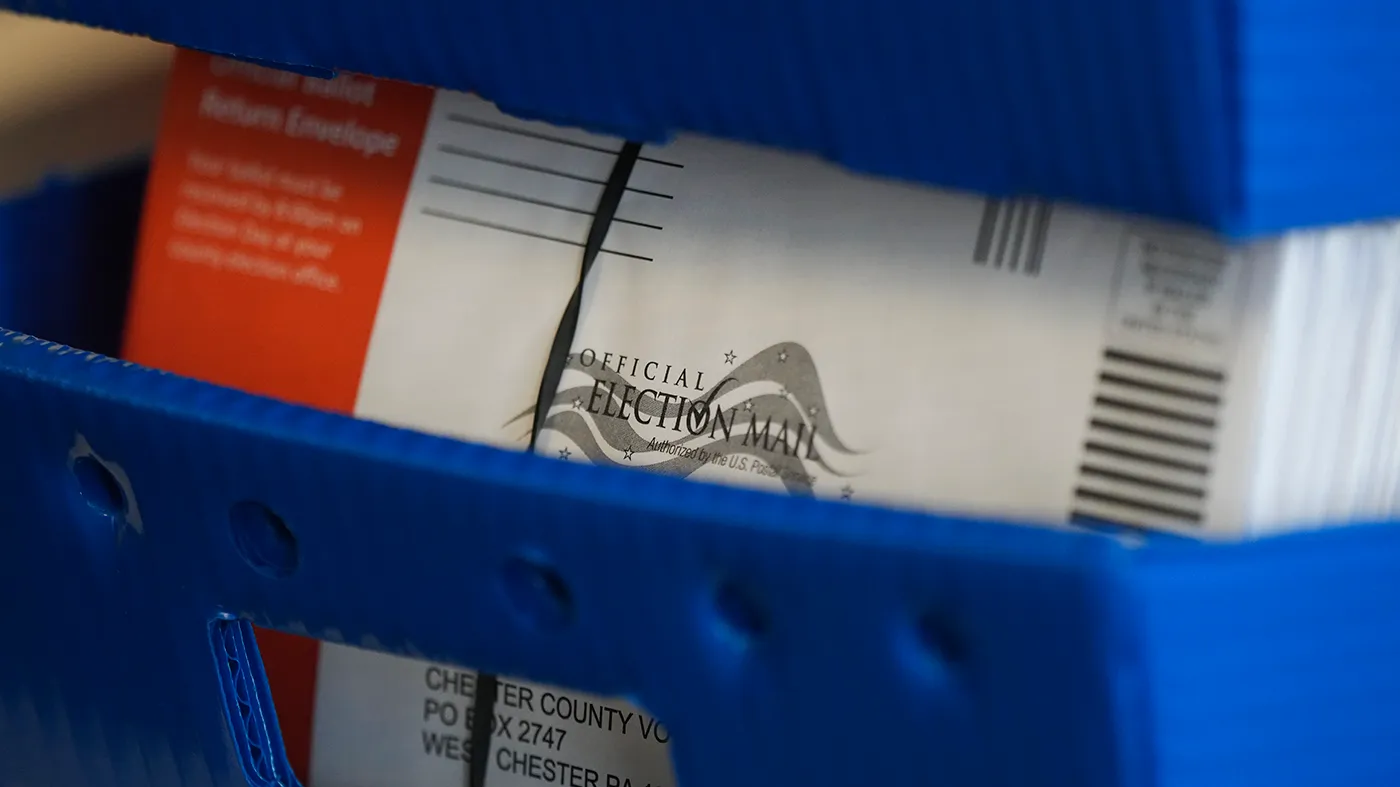
Thursday’s hearing may clarify how the Missouri Supreme Court views Hoskins’s obligation under its Sept. 3 order, but the larger litigation over the 2026 map remains unsettled. For local election authorities, the immediate challenge is practical as well as legal: they must prepare ballots and election procedures while courts continue to issue rulings over which congressional boundaries apply.
Related Reading
Frequently Asked Questions
What is Missouri Secretary of State faces contempt?
Missouri Secretary of State faces contempt is the main topic of this guide. The article explains the context, practical details, and next steps readers should understand.
Why does Missouri Secretary of State faces contempt matter?
Missouri Secretary of State faces contempt matters because readers are looking for a useful answer, not just a short summary. Good content should match search intent and help them decide what to do next.