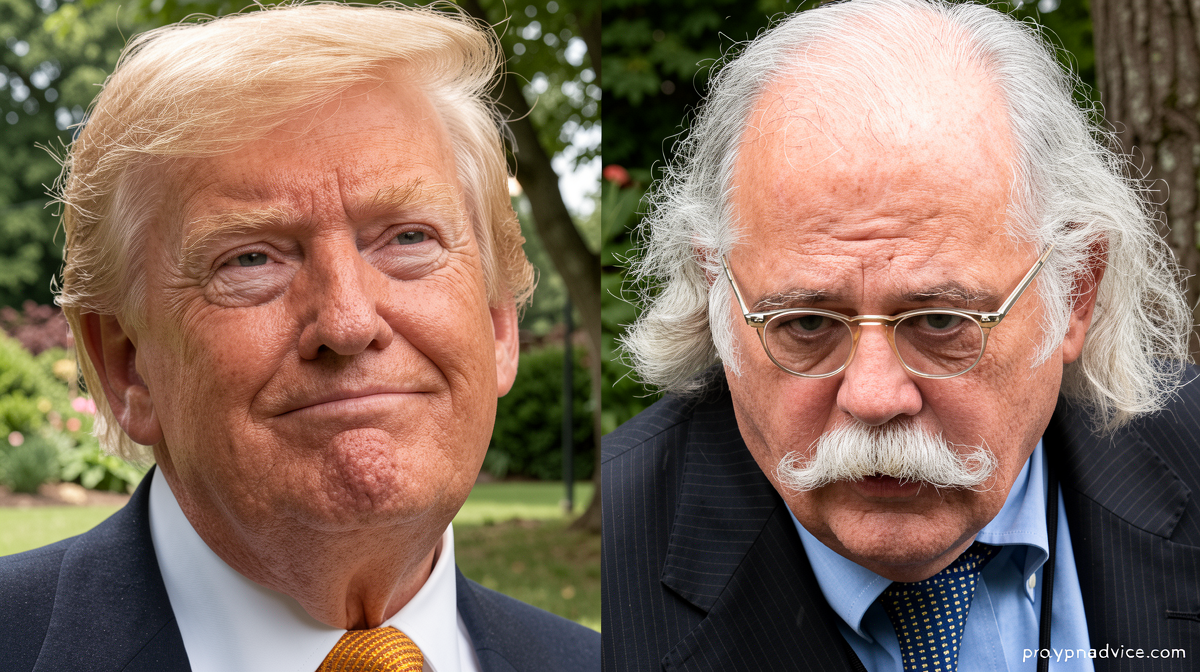
Carville claims Trump ‘wants to torture’ GOP ahead of midterms

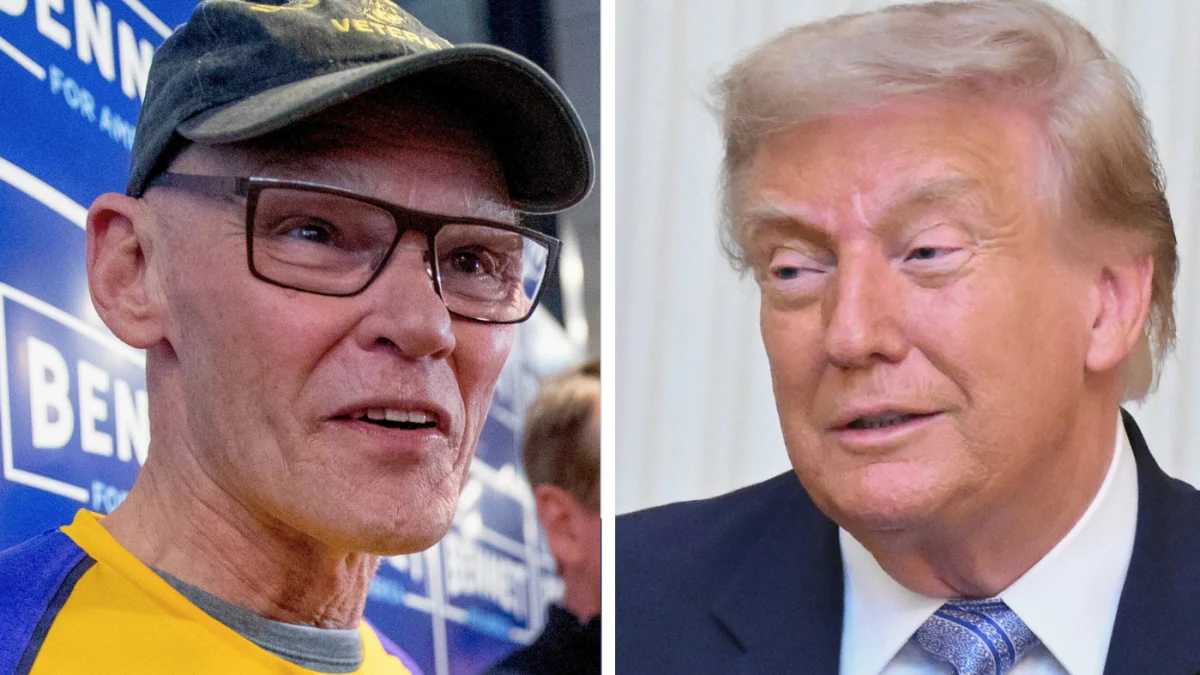
Table of Contents
Carville’s Bold Thesis: Trump Is Engineering a Republican Midterm Collapse
Provpnadvice.com – The November congressional elections are shaping up as a referendum on whether the president’s own party can survive his second term intact. Into that already tense calculus, veteran Democratic strategist James Carville injected a far more provocative theory on Tuesday: that Donald Trump is not merely indifferent to his party’s fate but actively desires its defeat.
Speaking alongside journalist Al Hunt on the “Politics War Room” program, Carville laid out what he called the only coherent explanation for a series of presidential actions that have left Republicans scrambling for direction.
“The only answer that I can come up [with] that explains the current behavior of Donald Trump is simply this: he wants the Republicans to lose. He hates them. He wants to torture them.”
Carville, who has spent decades on both sides of the aisle as a campaign architect, framed the president’s conduct as a form of political retribution. In his reading, Trump believes he rescued the Republican brand from irrelevance, handed it a playbook for victory, and was then repaid with institutional disloyalty.
“He thinks that he saved them, he taught them how to win, [they] turned [their] back on him and he’s going to teach them a lesson.”
What Is Actually at Stake in November
The stakes Carville is pointing at are concrete. Republicans currently hold narrow majorities in both chambers of Congress. Democrats, meanwhile, are mobilizing to seize control of at least one house for the final two years of the Trump presidency. The arithmetic is unforgiving: Democrats must flip three House seats to reclaim the lower chamber and four Senate seats to take the upper one. Because Vice President Vance holds the constitutional tiebreaker vote, an even 50-50 Senate split would still leave Republicans in command of the upper body.
As of Tuesday, the polling aggregator Decision Desk HQ assigned Democrats a 68 percent probability of retaking the House while pegging Senate control at even odds. Those numbers underscore how razor-thin the margin of victory or defeat has become for both parties.
Should Republicans somehow defend both majorities, the result would carry historical weight. It would mark the first time since 2002 — during George W. Bush’s first term — that an incumbent president’s party has retained control of both chambers after a midterm cycle. The last time that happened, the political landscape looked fundamentally different, and the precedent has not been repeated in more than two decades.
Trump on the Trail: Rally Rhetoric and Convention Appearances
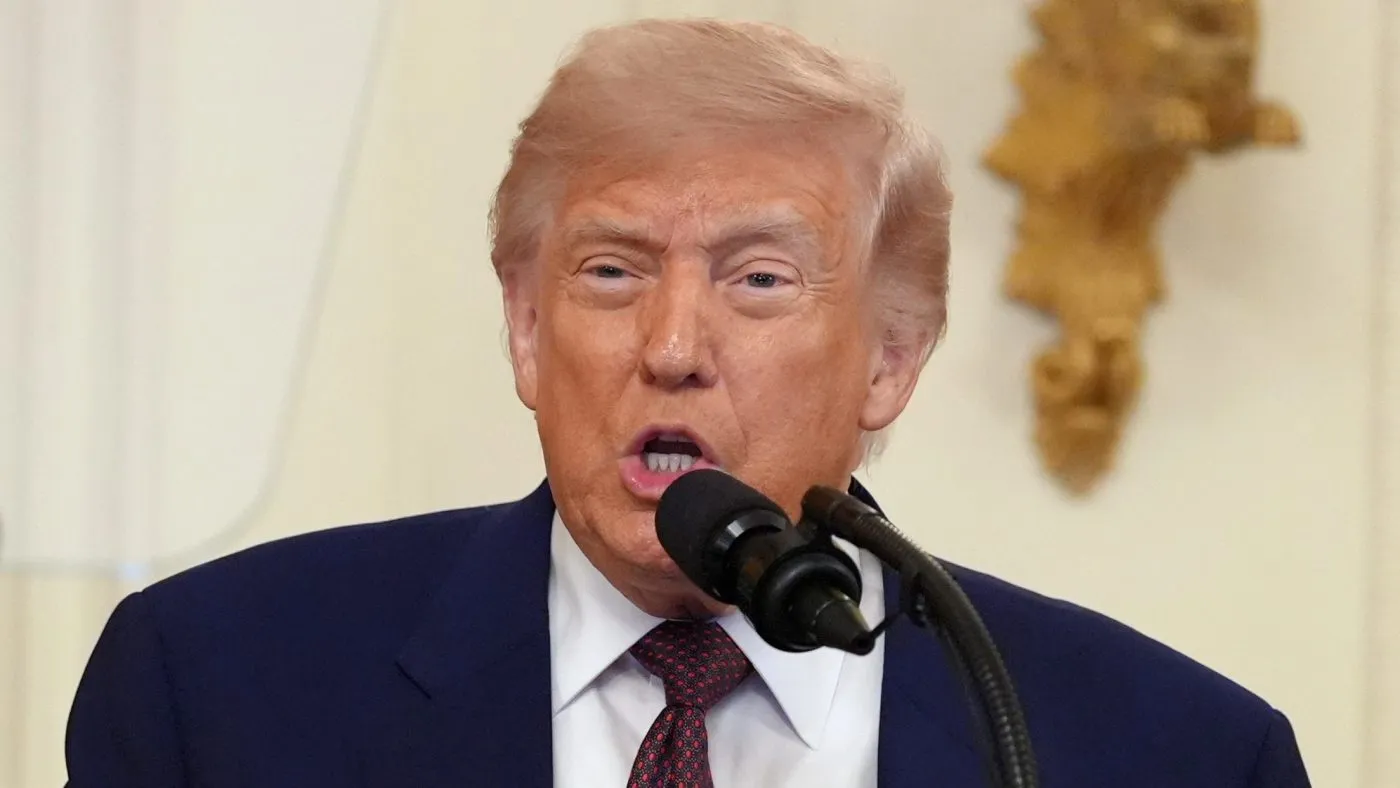
The president has been visible on the campaign circuit in recent weeks, pitching his record to voters who polling suggests are growing impatient with persistent inflation and the ongoing Iran conflict. At a rally last month held alongside Senator Darline Graham (R-S.C.), Trump attempted to reframe his role in the election cycle with a pointed instruction to the crowd:
“What I want you to do is pretend, please, that I’m on the ballot.”
That remark — asking supporters to treat a presidential candidate as though he were running for Congress — captures the unusual dynamic of a second-term president who is not himself up for re-election but is nonetheless inserting himself into the narrative of a congressional race.
His involvement will deepen this week. Trump is scheduled to speak on both nights of the Republican National Committee’s midterm convention in Dallas, which opens Wednesday. A two-night presidential appearance at a party convention is a significant commitment of time and messaging, and it signals that the White House intends to shape the GOP’s electoral story directly rather than cede the narrative to congressional candidates.
The AI Dismissal as Exhibit A
Carville did not leave his thesis abstract. During the same Tuesday episode, he cited Trump’s recent public dismissal of American anxieties about artificial intelligence as a concrete illustration of why he believes the president is working against his own party’s interests. In Carville’s framing, a leader who waves away a major economic and workforce concern shared by a large bloc of his own base is, at minimum, undermining the coalition his party needs to hold seats.
“It sounds insane, that you have a president who wants his political party to lose big,” Carville said. “But I … can’t think of another explanation … that really answers as many questions as this one does.”
Whether one accepts Carville’s motive attribution or reads the president’s behavior as simple indifference, the practical effect is the same: Republican candidates in November will be navigating a campaign environment in which their own commander-in-chief is simultaneously a source of enthusiasm and a source of friction. The question the strategist has forced onto the public agenda is whether that friction is accidental or intentional — and, if intentional, whether it will succeed in producing the very losses he allegedly seeks.
Related Reading
Frequently Asked Questions
What is Carville claims Trump wants to torture?
Carville claims Trump wants to torture is the main topic of this guide. The article explains the context, practical details, and next steps readers should understand.
Why does Carville claims Trump wants to torture matter?
Carville claims Trump wants to torture matters because readers are looking for a useful answer, not just a short summary. Good content should match search intent and help them decide what to do next.