Trump faces down beef backlash. Will import plan pay off?

Table of Contents
Foreign Beef, Domestic Fallout: Trump’s Tariff-Free Import Push Collides with Rancher Loyalty
Provpnadvice.com – The White House is barreling forward with a plan to flood U.S. grocery shelves with tariff-free foreign beef, a move designed to knock prices down for everyday shoppers but one that has ignited fierce opposition from cattle producers and Republican lawmakers in the very states most exposed to the policy. The administration framed the initiative last month as a 90-day window allowing 300,000 metric tons of imported beef to enter the country duty-free, with the meat priced roughly 25 percent below prevailing retail levels. On Friday, President Trump disclosed for the first time that the shipments would originate primarily from Brazil and Argentina, two of the world’s largest beef exporters.
Executive Orders Aimed at Softening the Blow
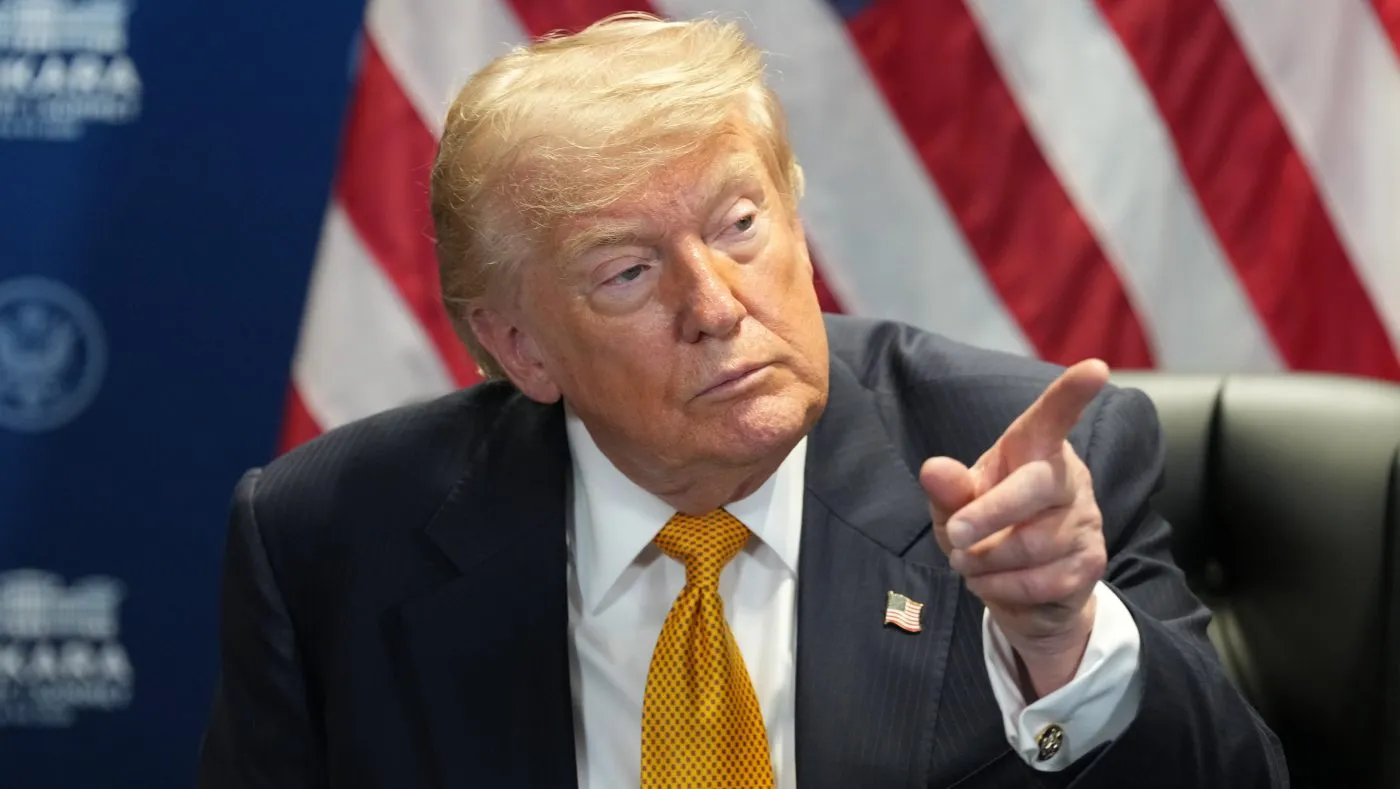
In what appeared to be a calculated effort to cushion the political sting, Trump signed a pair of executive orders in the Oval Office on Friday. One grants ranchers and farmers the authority to process and package their own products in-house, reducing dependence on third-party processors. The second promotes country-of-origin labeling across all imported beef — a measure that, in practice, would require congressional legislation to implement. Industry leaders received the gestures with measured skepticism.
“We appreciate the new orders but remain cautious on what comes next,” said Justin Tupper, president of the United States Cattlemen’s Association.
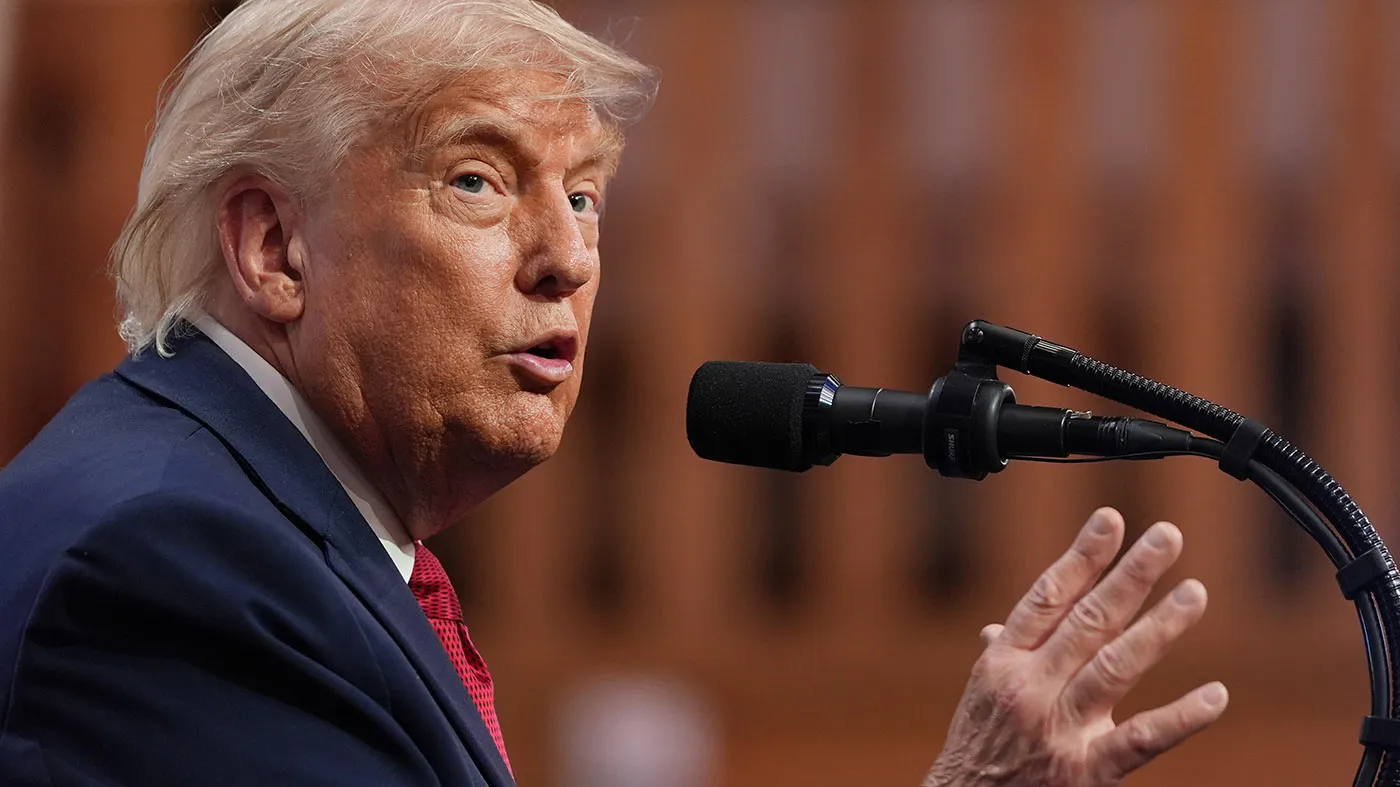
Addressing reporters immediately after the signings, Trump attempted to minimize the perceived threat to domestic producers. He insisted the operation would be tightly scoped, telling the press pool, “We’re doing it in a very limited fashion because our ranchers can handle it,” before adding, “Our ranchers want the prices to be down too.”
The Economics: A Two-Percent Nudge Against a Structural Shortage
Agri-economists are quick to note that the headline figure sounds large but translates into a marginal shift in national supply. Glynn Tonsor, an assistant professor in the Department of Agricultural Economics at Kansas State University, calculated that 300,000 metric tons represents approximately a two-percent increase in available beef. He put the expected consumer-price effect bluntly:
“I’m on record saying it’ll have very, very small, if any, impact on the price that consumers pay for beef.”
Tonsor went further, arguing that the mechanism itself works against producers. Lower retail prices mean fewer dollars flow back into the cattle industry, which in turn weakens the incentive to expand herds. He framed the dilemma in stark terms:
“If there’s something that reduces beef prices for consumers, by definition, that reduces the dollars going back into the industry, because the price clearing the market for retail beef is lower, and therefore one has to pause and say, is that good for producers? So, there’s a world where one or the other might happen, but I don’t see any world where both could happen out of the same announcement.”
The underlying supply crunch is real. The United States began the current year with 86.2 million head of cattle, per Department of Agriculture data — the smallest inventory recorded since 1951. Prolonged droughts across the West and South, coupled with climbing feed, fuel, and labor costs, have thinned herds while consumer demand for red meat has held steady or grown. The result: the average retail price of one pound of 100 percent ground beef has climbed to roughly $6.89, according to Bureau of Labor Statistics figures distributed through the Federal Reserve Bank of St. Louis.
Political Calculus Ahead of the Midterms
Affordability has become the defining voter issue heading into the November midterms, and beef prices sit squarely at the center of that conversation. Trump won 62 percent of the rural vote in 2024, yet polling conducted by ActiVote shows his approval among that demographic slipping from July into August — a trend that rancher backlash could accelerate. GOP strategist Doug Heye, a longtime campaign adviser, offered a pointed critique:
“Trump is right to address the issue of beef prices but stepped in it in doing so in a way that parts of his base are going to react to. The administration — and Trump in particular — need to be spending all their efforts on lowering prices across the board, including the latest cost driver, Iran.”
Industry Voices: Cold Water on Herd Expansion
The National Cattlemen’s Beef Association issued a statement through its chief executive, Colin Woodall, arguing that government-subsidized below-market imports are the wrong tool for rebuilding a depleted domestic herd. He emphasized the timing problem: producers are currently making critical decisions about whether to retain or cull animals, and a sudden price shock from abroad undermines the capital investment needed to grow herds back.
“While America’s cattle producers share the goal of keeping groceries affordable for consumers, flooding the market with government-subsidized, below-market beef is not the way to rebuild the American cattle herd. This is a critical time of year for cattle producers, as we approach the season where they are making decisions regarding their herds.”
Woodall characterized the import announcement as throwing “cold water” on the very investment cycle that would eventually restore supply and ease prices organically.
Market Purists Push Back
David Anderson, a professor and extension specialist in livestock and food product marketing at Texas A&M University, argued that the price spike itself is a corrective signal. When producers finally see profitable margins after years of drought-driven losses, the rational response is to expand — and that expansion, over time, brings retail prices back down without government intervention.
“You have to have cattle producers that are profitable to get that market signal to expand, to increase beef production which then brings down prices. And so, we finally have prices that are profitable and something like this gets announced.”
Anderson’s position underscores a broader tension in agricultural policy: whether short-term price relief justifies distorting the long-term supply pipeline. For ranchers in Texas, Kansas, Nebraska, and other cattle-heavy states, the answer appears to be no — and their congressional delegations are expected to press that point as the 90-day import window opens.
Related Reading
Frequently Asked Questions
What is Trump faces down beef backlash Will?
Trump faces down beef backlash Will is the main topic of this guide. The article explains the context, practical details, and next steps readers should understand.
Why does Trump faces down beef backlash Will matter?
Trump faces down beef backlash Will matters because readers are looking for a useful answer, not just a short summary. Good content should match search intent and help them decide what to do next.