El-Sayed: If you’re starting a trade war with Canada, ‘you’re the a‑‑hole’

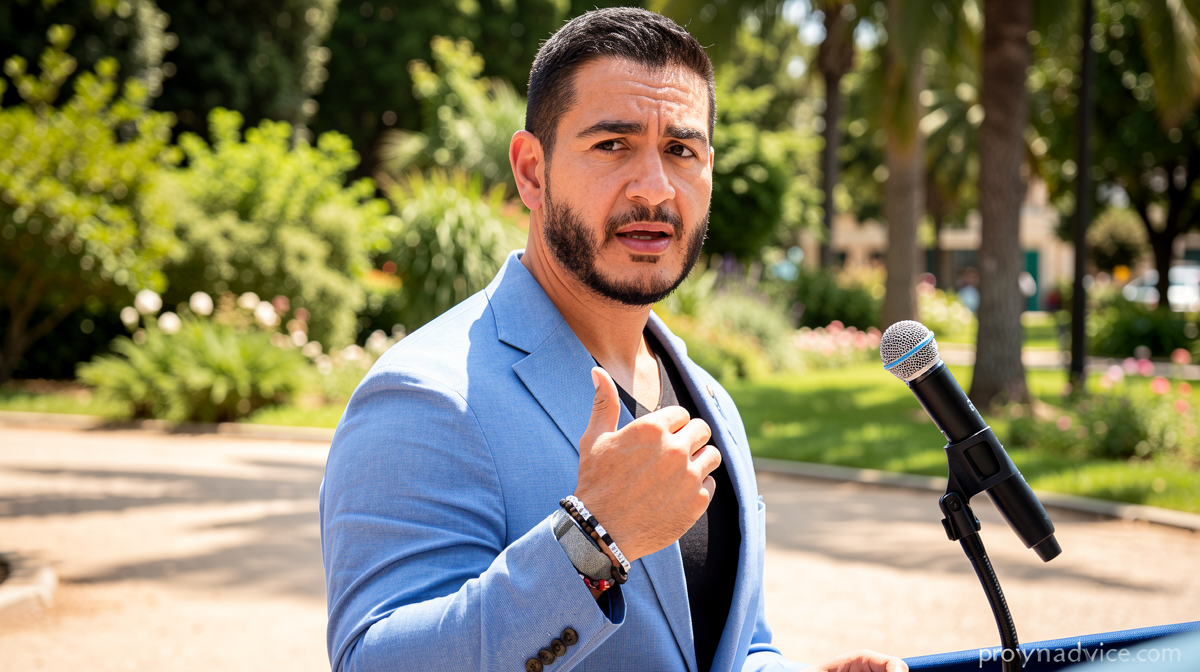
Table of Contents
Michigan Senate Race Takes Aim at Ottawa Tariff Clash as El-Sayed Calls Trade War a “Disaster” for the State
Provpnadvice.com – The escalating tariff standoff between Washington and Ottawa has landed squarely in the crosshairs of Michigan’s 2026 Senate race, with Democratic candidate Abdul El-Sayed delivering a blistering attack on the Trump administration’s northern trade policy from a Detroit podium on Monday. For a state whose economy has long been braided into Canadian supply chains — from auto parts flowing south across the border to lumber, energy, and agricultural goods moving north — the latest round of retaliatory duties represents more than a headline dispute. It is, in El-Sayed’s framing, a direct hit on household budgets and factory floors alike.
A Detroit Press Conference Turns Personal
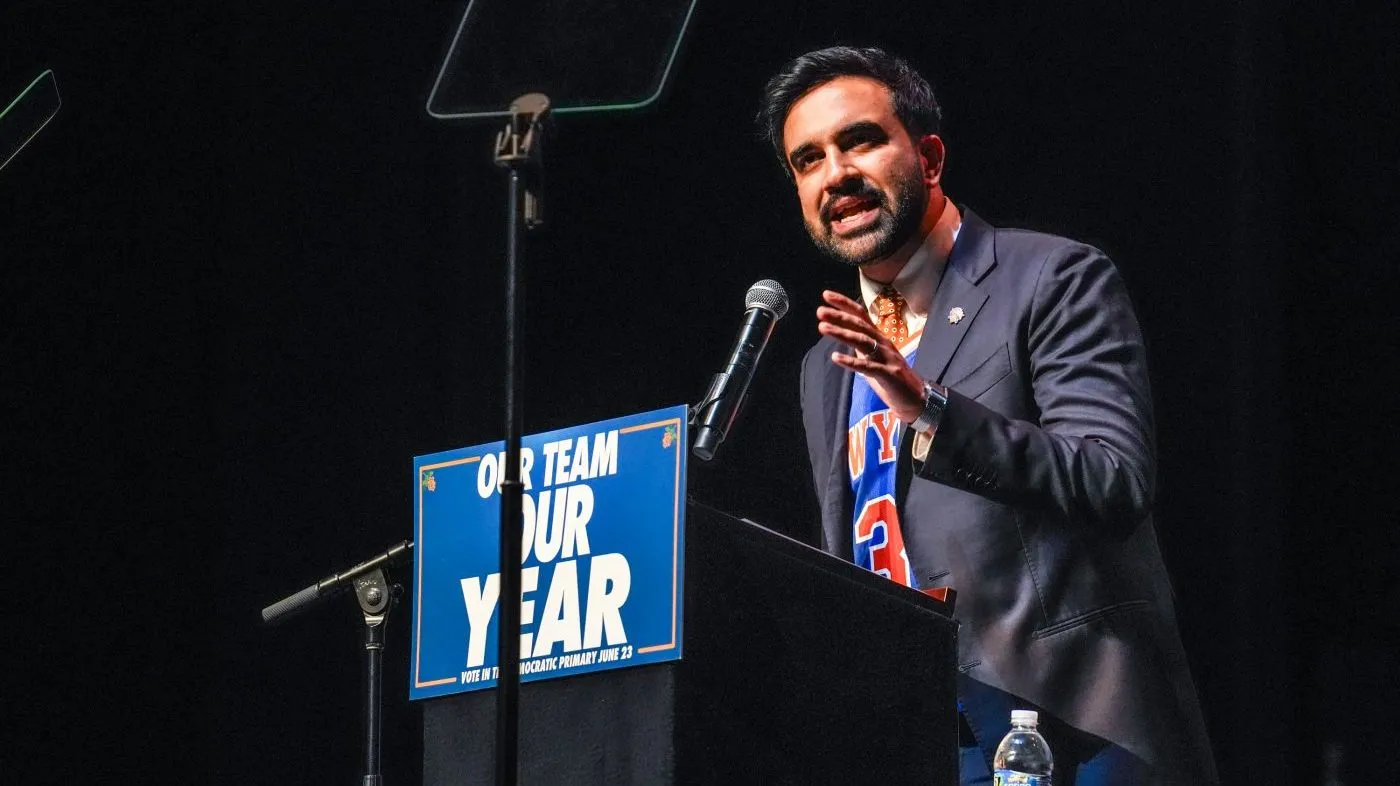
Speaking to reporters in the city that anchors the state’s automotive corridor, El-Sayed framed the tariff escalation as yet another policy misfire aimed at ordinary residents. He pointed out that Michiganders know Canadians personally — neighbors, coworkers, trading partners — and used that familiarity to sharpen his rhetorical point.
“Now, over the last couple of weeks, Michiganders have been struck by yet another disastrous Trump policy: the expansion of a trade war with Canada,” El-Sayed said during a press conference in Detroit.
He then pivoted to a line that drew immediate attention for its bluntness, invoking a stereotype about Canadian politeness to underscore what he saw as the absurdity of picking a fight with the country directly above the state.
“Now, we’re here in Michigan, we all know Canadians. Canadians are like the only people in the world who are going to preemptively apologize for something they didn’t even do. So, if you’re starting a trade war with Canada, it’s because you’re the a‑‑hole,” the Democratic Senate candidate added.
The Tariff Escalation in Context
The remarks came amid a sharp deterioration in bilateral trade relations that began in earnest during the latter half of August, when both governments moved to impose duties on each other’s goods. The tit-for-tat measures have raised costs on categories of products that Michigan manufacturers and consumers rely on daily, from steel inputs to processed foods. Economists have noted that Michigan’s position as a border state makes it disproportionately exposed to cross-border tariff shocks compared with states farther from the 49th parallel.
The White House side of the ledger has been equally vocal. Treasury Secretary Scott Bessent, appearing Monday on CNBC’s “Squawk on the Street,” directed criticism at Prime Minister Mark Carney, accusing the Canadian leader of abandoning a negotiated framework.
“And then he started this. And it’s unfortunate that he’s not doing what’s best for the Canadian people. He’s doing best, what is best for the Liberal Party, what’s best for Mark Carney. And in the long run, the other Canadian people are going to see through that,” Bessent said.
President Trump, for his part, posted on Truth Social on Sunday that he did not want American firms importing Canadian goods. In the same message, he claimed his tariff regime had “revived, and indeed saved” the domestic auto sector, citing profit figures from Ford, General Motors, and other American manufacturers during his second term. The detail is not incidental: both Ford and General Motors maintain their North American headquarters in Michigan, meaning the state’s largest employers sit at the exact intersection of the tariff debate.
El-Sayed Turns on His GOP Opponent
Beyond the administration, El-Sayed used the same podium to take aim at his Republican rival in the Senate contest, former Representative Mike Rogers. He argued that Rogers’ posture on trade amounts to automatic approval of a policy that, in El-Sayed’s calculation, costs Michigan households roughly $6,000 annually in added expenses for goods and services previously unburdened by tariffs.
“He has no choice but to rubber stamp — to roger — a trade war that is now costing the Michiganders that he says he wants to serve nearly $6,000 a year for the goods and services we did not have to worry about. Now, to what end? There’s a smart use of tariffs, this ain’t it,” El-Sayed said of his opponent.
The wordplay on “roger” — echoing Rogers’ surname while invoking the military term for blind acknowledgment — was clearly designed for clip-length repetition in campaign ads.
Rogers Pushes Back on Fox News
Rogers, appearing Monday on Fox News’s “Fox & Friends,” framed the contest as a choice between two postures at the negotiating table. He characterized El-Sayed as the candidate who would confront the president aggressively, while casting himself as the pragmatic operator who would seek incremental gains within existing agreements.
“You can send somebody back who gets up every day and tries to gouge the president’s eyes out,” Rogers said, referring to El-Sayed.
“Or you can send somebody back who’s going to walk in and say, ‘Hey, can we work on this part of the trade deal?'” Rogers added, referring to himself.
What the Tariff Standoff Means for Michigan’s Economy
Michigan’s economic profile makes the Ottawa dispute a local issue in the most literal sense. The state’s auto sector — still the largest employer in the region — depends on just-in-time parts logistics that cross the border multiple times before a finished vehicle rolls off the line. Tariffs on intermediate goods raise production costs even when the final car is assembled domestically. Energy imports from Canadian provinces feed Michigan’s grid, and lumber duties affect a construction sector already strained by labor shortages. For voters in the Detroit metro area, the question El-Sayed is pressing is not abstract: it is whether the next senator will treat the border as a bargaining chip or as a working economic seam.
The race itself remains tightly contested, with both candidates now framing trade policy as a litmus test for who will represent the state in Washington. Whether the tariff standoff cools or intensifies over the coming weeks will shape the final months of campaigning in a state that has historically voted Democratic in Senate races but watched its margins narrow in recent cycles.
Related Reading
Frequently Asked Questions
What is El Sayed?
El Sayed is the main topic of this guide. The article explains the context, practical details, and next steps readers should understand.
Why does El Sayed matter?
El Sayed matters because readers are looking for a useful answer, not just a short summary. Good content should match search intent and help them decide what to do next.