Why are flesh-eating bacteria expanding beyond traditional hotspots?

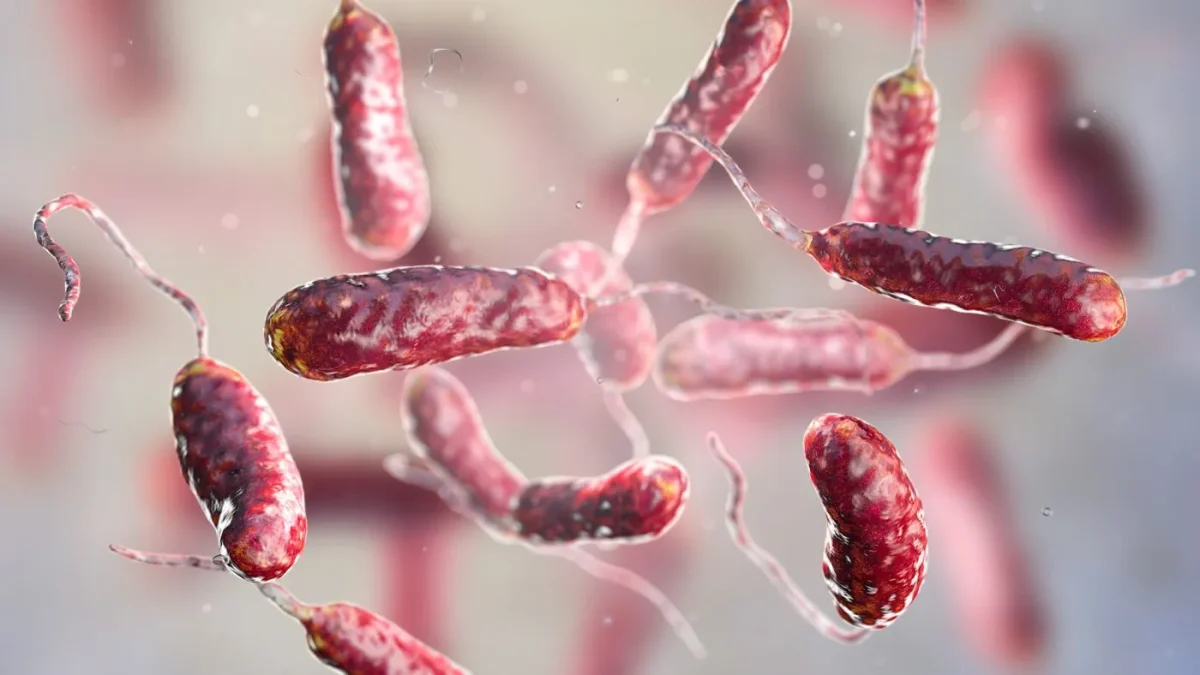
Table of Contents
Warming Waters Are Pushing a Deadly Coastal Bacterium Into New Territory
Provpnadvice.com – For decades, public-health officials tracked Vibrio infections almost exclusively along the Gulf Coast and the lower Atlantic seaboard, where summer temperatures kept the bacterium thriving in shallow, brackish estuaries. That geographic boundary is dissolving. As ocean surface temperatures climb year over year, the microbe that once could not survive in northern coastal waters is now being documented in regions far beyond its historical range, raising questions about how quickly infectious-disease maps will need to be redrawn.
What Vibrio Is and Where It Lives
Vibrio species are Gram-negative bacteria that inhabit warm, low-salinity aquatic environments — the muddy intertidal zones, oyster beds, and estuarine channels where freshwater meets the sea. They are not exotic invaders; they are native residents of coastal ecosystems. What changes with warming is not the bacterium’s biology so much as the size of the habitat it can occupy. Florida, with its long coastline, shallow continental shelf, and year-round warm waters, has long recorded the highest per-capita case rate in the United States, a figure confirmed by surveillance data maintained through the University of Florida’s public-health programs.
Yet researchers have now confirmed Vibrio presence in waters that were, until recently, too cold to support sustained bacterial growth. Documented detections as far north as Maine signal that the organism’s viable thermal envelope is shifting poleward at a pace that tracks global sea-surface-temperature trends.
The Climate Connection
The link between ocean warmth and Vibrio incidence is not speculative. Multiple peer-reviewed studies have established a clear statistical correlation between monthly case counts and contemporaneous water-temperature readings, with infection peaks aligning to the warmest months of the year.
“Vibrio infections are one of the many incidental potential consequences of a warming climate,” Tobias Dörr, an associate professor of microbiology at Cornell University, explained. He noted that while absolute case numbers remain modest, “there is a clear correlation between case load and ocean temperature reported in several studies — case rates tend to be highest in months where the water is the warmest.”
Dörr added a caveat that tempers the alarm without dismissing the trend:
“An increase in water temperature could therefore cause more infections in the future. The somewhat good news is that Vibrios did not specifically evolve to live in the human body, and a healthy immune system can in many cases fight off these bacteria.”
That last point matters. Vibrio is an environmental organism, not a human-adapted pathogen. Most healthy adults who encounter it mount an effective immune response and recover without intervention. The danger concentrates in populations with compromised immunity — those with liver disease, iron-overload conditions, recent surgical wounds, or advanced age — where the bacterium can progress from a mild gastroenteritis to a systemic, rapidly fatal infection.
How People Get Infected
The dominant transmission route is dietary. Consuming raw or undercooked shellfish — oysters above all, because they filter enormous volumes of seawater and concentrate any bacteria present — accounts for the majority of cases. The Florida Department of Health, which runs one of the most detailed state-level Vibrio surveillance programs in the country, also tracks wound-exposure events: open cuts, surgical sites, or abrasions that come into direct contact with contaminated coastal water can seed a local infection that may escalate if untreated.
Nationally, the Centers for Disease Control and Prevention estimates roughly 80,000 vibriosis cases occur each year in the United States, of which approximately 52,000 are foodborne. Most of those cases present as self-limiting gastrointestinal illness lasting a few days. They are reported, counted, and resolved without hospitalization.
When Vibrio Turns Lethal
A smaller subset of infections involves Vibrio vulnificus, a virulent species capable of producing necrotizing fasciitis — the condition colloquially called “flesh-eating disease.” In that presentation, the bacterium invades soft tissue, destroys fascia and muscle, and can trigger septic shock within hours. Case-fatality rates for necrotizing fasciitis caused by V. vulnificus hover around one in five, and death can occur within 48 hours of symptom onset if aggressive surgical debridement and targeted antibiotic therapy are not initiated immediately.
This year, state health departments in Florida and Louisiana have jointly reported at least eight Vibrio-associated deaths, a figure that underscores how quickly the milder end of the spectrum can tip into catastrophe in vulnerable patients.
What the Expansion Means for Public Health
The northward creep of Vibrio does not imply an imminent epidemic. Case numbers remain low in absolute terms, and the bacterium’s ecological niche, while broadening, is still constrained by temperature, salinity, and seasonality. What it does mean is that surveillance infrastructure, clinician awareness, and public-education messaging must follow the organism’s new range. Coastal communities in New England, which historically had little reason to monitor Vibrio, now face a non-zero risk that was effectively absent a generation ago.
For the general public, practical guidance has not changed: cook shellfish thoroughly, avoid eating raw oysters if you have chronic liver disease or a weakened immune system, and rinse open wounds with clean water after swimming in coastal or estuarine waters. The bacterium’s expanding footprint is a reminder that climate change does not merely alter weather patterns — it redraws the map of infectious disease, one degree of warming at a time.
Related Reading
Frequently Asked Questions
What is Why are flesh eating bacteria expanding?
Why are flesh eating bacteria expanding is the main topic of this guide. The article explains the context, practical details, and next steps readers should understand.
Why does Why are flesh eating bacteria expanding matter?
Why are flesh eating bacteria expanding matters because readers are looking for a useful answer, not just a short summary. Good content should match search intent and help them decide what to do next.