HHS launches autistic missing persons alert initiative

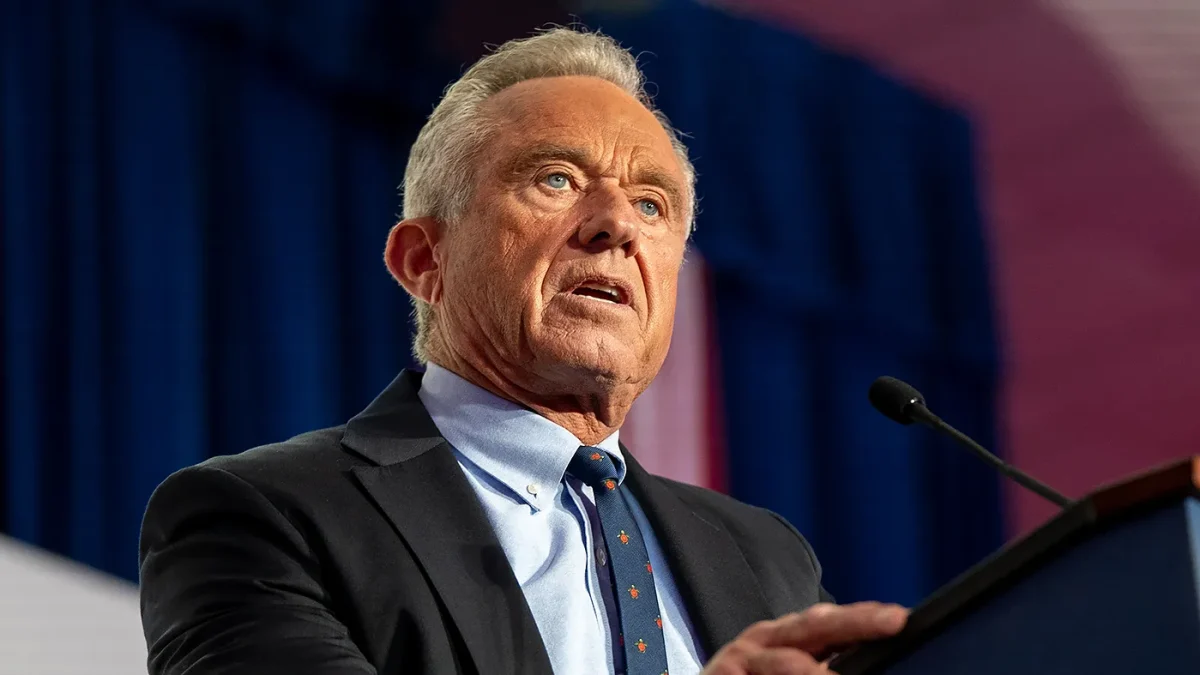
Table of Contents
A Federal Alert System for Autistic Missing Persons Takes Shape
Provpnadvice.com – For families of autistic children and adults, a missing-person report triggers a race against time unlike any other. Water draws them in. They wander without warning. And in the critical first minutes after a disappearance, the gap between a swift, coordinated response and a slow, fragmented one can mean the difference between a safe return and a tragedy. On Friday, the Department of Health and Human Services (HHS) announced a new federal program designed to close that gap: the National Autism Missing and Endangered Person Alert Initiative.
The initiative represents a formalized, cross-agency commitment to treat autism-related missing-person cases with the same urgency and speed that other high-risk alerts already command. Under the plan, HHS will work alongside the Department of Justice and the Federal Emergency Management Agency to tighten coordination among emergency managers, police departments, first responders, and community organizations across every state.
What the Program Aims to Do
At its core, the initiative seeks to build a national framework of best practices specifically tailored to autism-related disappearances. That framework will target the leading causes of preventable injury and death among autistic individuals — most notably accidental drowning. HHS framed the effort as a shared federal obligation: when an autistic person goes missing, the case should be handled with appropriate urgency from the first phone call onward, rather than being processed through generic missing-person channels that may lack autism-specific protocols.
The program also intends to strengthen existing missing and endangered person alert capabilities — the same infrastructure that distributes critical information to authorities and the public rapidly and helps bring missing individuals home safely. By layering autism-specific guidance onto those existing systems, the initiative aims to ensure that responders immediately understand the behavioral profile of the missing person and can direct search efforts accordingly.
The Human Cost Behind the Policy
The statistics that motivate the initiative are stark. Approximately half of children with autism will engage in wandering behavior at some point in their lives. When those individuals disappear, drowning accounts for the majority of fatalities. Many missing autistic individuals are ultimately found within a short distance of their last known location — meaning that speed of response, not the scope of the search, is often the decisive factor.
The National Autism Safety Council reports that an average of eight children with autism die each month in the United States following wandering or elopement, most often from drowning in nearby water. Those figures translate to roughly ninety-six deaths per year from a single, largely preventable mechanism — a number that has driven advocacy groups to push for dedicated alert protocols for years.
Leadership Statements
HHS Secretary Robert F. Kennedy Jr. framed the announcement around the immediacy of the threat. Speaking in a formal statement, he said:
“When an autistic child or adult goes missing, every minute matters. President Trump has made improving the lives of Americans with autism and their families a priority. We are bringing federal, state and local partners together to improve prevention, speed the response, and help bring autistic children and adults home safely.”
During a separate press conference, Kennedy emphasized that the initiative builds on alert infrastructure already in place:
“[It] helps to get critical information to authorities and the public quickly and helps bring missing persons home safely.”
What Families Should Do Right Now
Kennedy was explicit that the new framework is still in its earliest design phase; the system does not yet exist in operational form. Until protocols are finalized and deployed, he urged families to rely on established emergency channels:
“If an autistic loved one goes missing, people should call 911 immediately. And be ready to share critical information about communication, behavior, about the attraction of water.”
That last point — the attraction of water — is not incidental. Autistic individuals who wander are frequently drawn toward bodies of water, whether a swimming pool, a creek, a storm drain, or a lake. First responders who know this behavioral tendency can prioritize water-adjacent search areas in the critical first minutes, dramatically increasing the odds of a safe recovery.
Context and Implications
The initiative arrives in a landscape where existing alert systems — such as the AMBER Alert for abducted children and the Blue Star Alert for missing veterans — already demonstrate that targeted, behavior-specific messaging can accelerate public and law-enforcement response. By creating a parallel track for autism-related disappearances, HHS is effectively arguing that the behavioral profile of an autistic missing person warrants its own dedicated communication pathway, its own set of responder protocols, and its own public-facing guidance.
For state and local agencies, the practical implications will include updated training for dispatchers and first responders, clearer guidance on what information to collect during the initial 911 call, and standardized language for public alerts that conveys urgency without stigmatizing the individual. Community partners — schools, day programs, advocacy organizations — will also play a role in disseminating prevention information and ensuring that families know what to do in the first minutes of a disappearance.
The announcement marks a policy milestone, but Kennedy’s own caveat underscores the distance between announcement and implementation. The framework is being designed now; it is not yet operational. In the interim, the single most important action remains unchanged: call 911 the moment an autistic loved one is missing, and be prepared to describe their communication style, behavioral patterns, and relationship to water. Every minute of delay narrows the window in which a nearby search can succeed.
Related Reading
Frequently Asked Questions
What is HHS launches autistic missing persons alert?
HHS launches autistic missing persons alert is the main topic of this guide. The article explains the context, practical details, and next steps readers should understand.
Why does HHS launches autistic missing persons alert matter?
HHS launches autistic missing persons alert matters because readers are looking for a useful answer, not just a short summary. Good content should match search intent and help them decide what to do next.