Senate defense policy bill excludes IVF provision

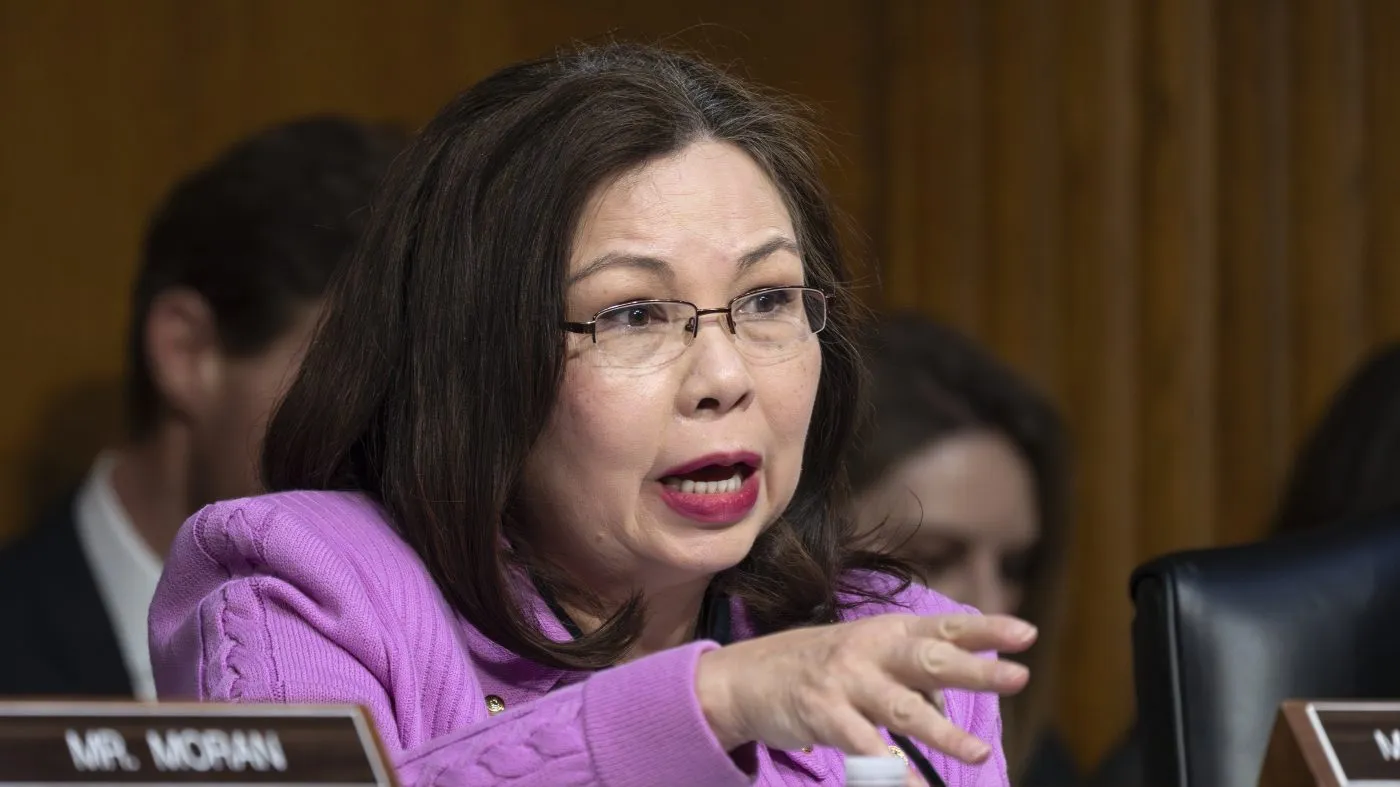
Senate Defense Policy Bill Excludes IVF Coverage
Provpnadvice.com – The Senate Armed Services Committee has taken a step back from including coverage for in vitro fertilization (IVF) in the annual defense policy bill, according to Senator Tammy Duckworth (D-Ill.). The rejection of the provision means military personnel and their families will continue to lack access to comprehensive fertility treatments, including IVF, unless additional legislation is passed. Duckworth, who spearheaded the provision, expressed disappointment over the decision, highlighting its significance for service members facing challenges in starting or expanding their families.
Advocacy for Equal Access
In a statement, Duckworth emphasized that her proposal aimed to ensure that military personnel and their families have the same access to IVF as Members of Congress. “After everything our troops sacrifice for our nation, they should never have to sacrifice their dreams of building a family,” she said. The senator’s focus on reproductive healthcare reflects a broader push to recognize the unique needs of those serving in the armed forces, particularly in terms of family planning and long-term well-being.
“My provision was supported by the committee in each of the past two years, yet this week, every single Republican on the panel chose to oppose it,” Duckworth stated. “This is a betrayal of the very heroes they claim to serve.”
Despite its previous approval, the provision faced resistance in the latest vote. The committee passed the bill by an 18-9 margin, with Republicans ultimately blocking its inclusion. Duckworth noted that the language had already cleared the full Senate with bipartisan backing last year, raising questions about the shift in stance by the committee members. “They promised to support this measure, but now they’re voting against it without explanation,” she said, accusing the Republicans of inconsistency.
Current Tricare Coverage Limitations
Under the current Tricare insurance program, fertility services are only available to service members whose infertility stems from a serious or severe illness or injury incurred while on active duty. This restriction excludes many individuals who may face challenges in conceiving naturally or require assistance through procedures like IVF. The lack of broader coverage has left couples struggling with infertility without adequate support, prompting calls for change.
Duckworth’s proposal would address these gaps by mandating Tricare to cover infertility diagnosis and treatment, including IVF. Additionally, the provision called for the creation of a dedicated program to coordinate fertility-related care, tailored to the specific needs of military families. This initiative would streamline access to services, reduce bureaucratic hurdles, and provide financial relief to those seeking to build their families.
Provision’s Inclusion and Exclusion
The IVF provision was part of both the House and Senate drafts of last year’s National Defense Authorization Act. However, it was omitted from the final compromise version, which was signed into law. Duckworth attributed this exclusion to the influence of Speaker Mike Johnson (R-La.), who she believes prioritized other priorities over reproductive healthcare for service members. “This provision was a bipartisan effort, yet it was stripped out at the last minute,” she said, expressing frustration with the political process.
The removal of IVF coverage from the final bill underscores the ongoing debate over the role of government in supporting family planning. While some lawmakers argue that fertility treatments should be covered under broader healthcare programs, others have raised concerns about cost and the potential for increased spending. Duckworth’s provision, however, sought to balance these considerations by expanding coverage without significantly increasing expenses.
Opposition from Anti-Abortion Advocates
Opposition to the IVF provision has also come from certain conservative groups that view fertility treatments as a threat to traditional values. These advocates argue that IVF often involves the creation and disposal of embryos, which they associate with abortion. For example, critics have pointed out that IVF can lead to the use of surplus embryos in research or for other purposes, prompting debates over the ethical implications of the procedure.
While Duckworth acknowledged the concerns raised by these groups, she maintained that IVF is a critical tool for couples facing infertility, regardless of their stance on abortion. “IVF is not just about individual choice—it’s about giving our service members the opportunity to fulfill their duties as parents,” she said. The provision, she argued, would benefit a wide range of families, including those who may not have access to alternative treatments.
Next Steps for the Bill
With the provision removed, the defense policy bill will move forward to the full Senate for final approval. While the rejection of IVF coverage is a setback, Duckworth remains hopeful that the issue will be revisited in future legislative sessions. She has already begun planning to reintroduce the provision as part of a broader effort to expand reproductive healthcare access for military families.
The decision to exclude IVF coverage highlights the challenges of advancing healthcare reforms within a politically divided Congress. As the bill progresses, its final outcome will depend on the priorities of the full Senate and the willingness of lawmakers to support provisions that address the needs of service members. For now, the focus remains on the broader implications of the exclusion and the potential for future action.