Senate Democrats call for hearing on Iran war’s strain on troops

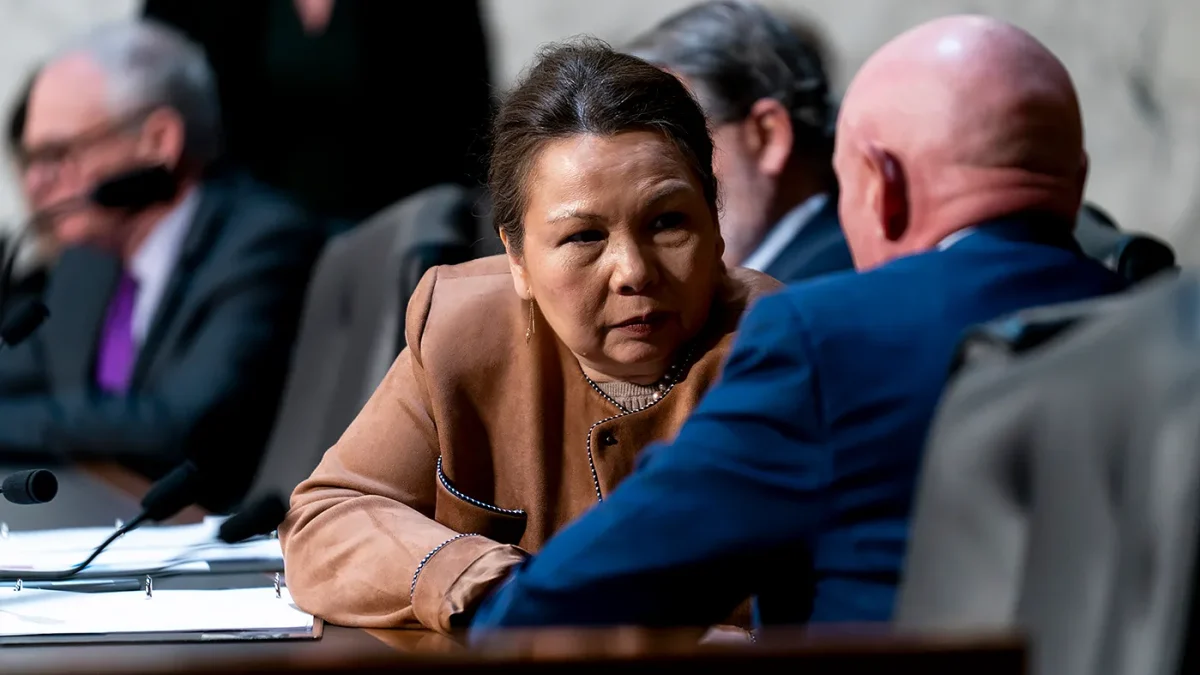
Table of Contents
Twelve Senators Demand Pentagon Accountability as Iran Conflict Grinds Through Its Seventh Month
Provpnadvice.com – With the U.S.-Israeli campaign against Iran locked in a stalemate and diplomatic channels severed earlier this summer, a bipartisan-adjacent pressure point has emerged inside the Senate: the human cost of keeping tens of thousands of service members deployed indefinitely in a theater where no endgame is in sight. On Monday, twelve members of the Senate Armed Services Committee’s Democratic minority sent a formal letter to the panel’s Republican chair demanding a public hearing with senior Pentagon officials to account for the mounting toll on American troops.
The Letter and Its Authors
The correspondence was spearheaded by Sen. Tammy Duckworth (D-Ill.), a former Air Force officer and veteran of two combat tours, and carried the signatures of eleven additional senators. It was directed at Sen. Roger Wicker (R-Miss.), who chairs the committee, and invoked the panel’s constitutional duty to ensure the armed forces remain “properly led, well-resourced, supported and able to conduct its missions.”
The senators’ central demand is straightforward: Wicker must convene a public session in which Defense Department leadership explains, on the record, how prolonged deployments are eroding military readiness and what concrete steps the department intends to take to sustain soldiers, sailors, and airmen for as long as the conflict persists. The letter makes clear that the lawmakers view the current trajectory — with the Trump administration still searching for a diplomatic off-ramp — as untenable for the men and women in uniform.
The USS Abraham Lincoln as a Case Study
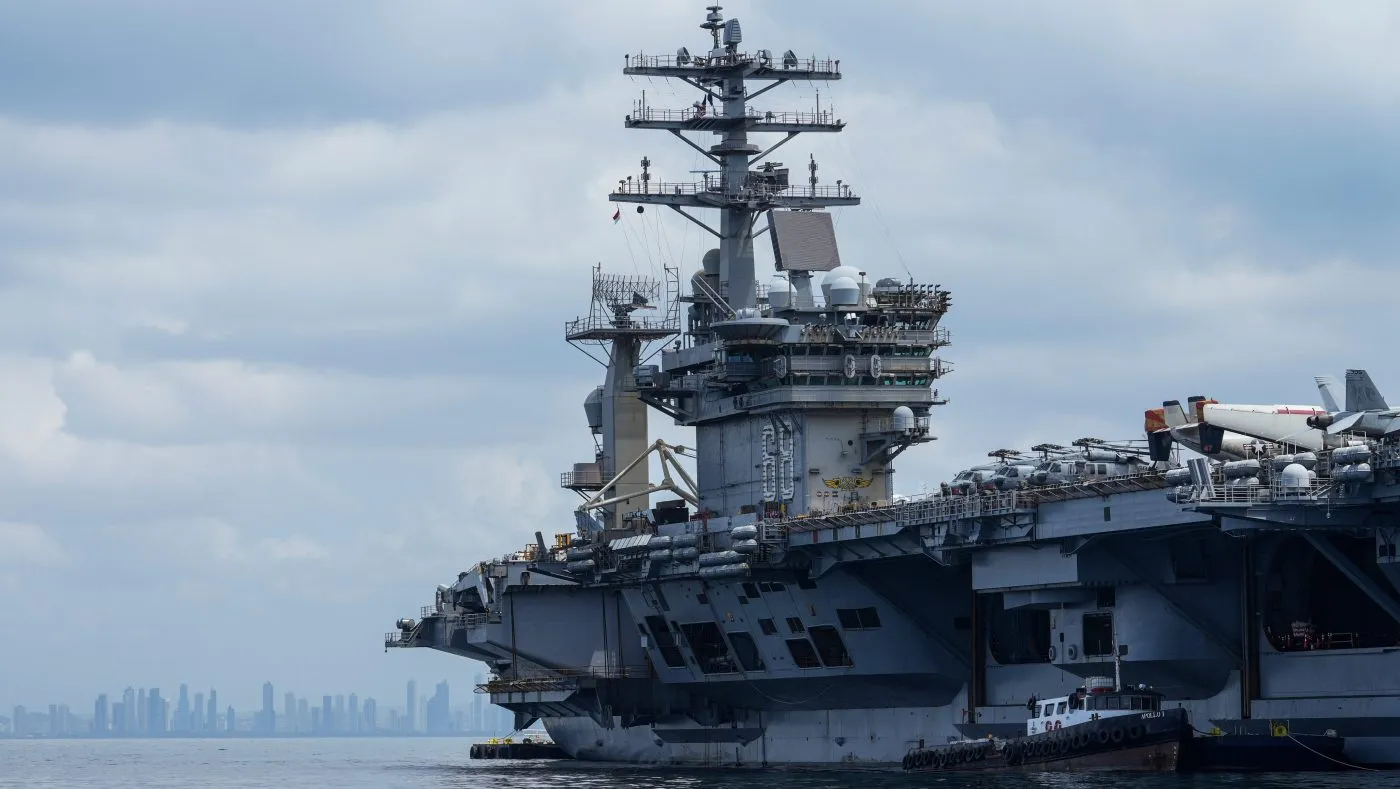
At the heart of the senators’ alarm is the condition of the USS Abraham Lincoln strike group, an aircraft carrier task force that has been at sea since November. Originally scheduled to complete its deployment and return home in May, the group was recalled to the Middle East in January ahead of the opening phase of the Iran war. It has now logged more than 260 days of continuous deployment, including a stretch exceeding 200 consecutive days without a single port call — a duration that far exceeds standard Navy rotation norms and pushes well past the physiological and psychological thresholds at which crew performance degrades.
Family members of sailors aboard told multiple news outlets earlier this month that they received urgent communications describing shortages of food and drinking water, malfunctioning plumbing systems, pervasive exhaustion, and mental-health crises severe enough that several crew members attempted to jump overboard. Administration officials moved swiftly to push back, asserting that media accounts had distorted the reality aboard ship, while simultaneously confirming that the USS George Washington aircraft carrier would soon assume the strike group’s duties and allow the Lincoln to rotate home.
“Recent reports of sailors suffering from severe mental health issues amid deteriorating conditions on the USS Abraham Lincoln have only added to a disturbing pattern of failures to adequately plan and support our troops, who have been away from their families indefinitely as the Iran War drags on.”
Strain Extends Far Beyond the Navy
The senators were careful to note that the Abraham Lincoln situation, while acute, is not isolated to one ship or one service branch. Their offices and media contacts, they wrote, have received “story after story of Soldiers and Airmen, including National Guardsmen and Reservists, seeing their deployments extended with uncertainty about when they will be relieved by other units and can return home to their families.”
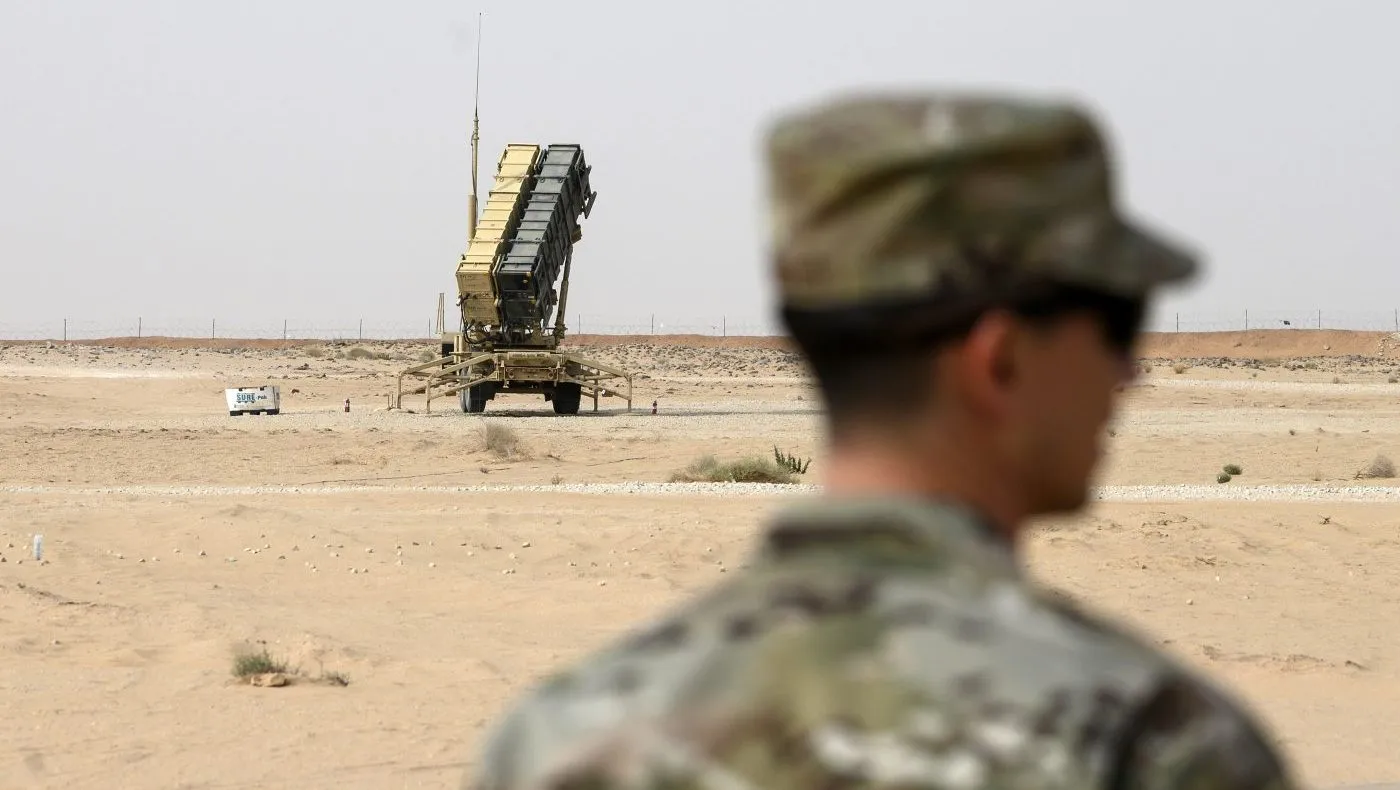
Ground infrastructure in the region presents a parallel problem. Bases in the Middle East were engineered to accommodate a specific troop ceiling; the current scale of units stationed there has stretched those facilities well beyond design capacity. The senators described conditions as deteriorating as “too many people meet too little space and supplies,” a dynamic that compounds fatigue, reduces operational tempo, and increases the risk of non-combat injuries and illness.
“Troops are suffering because of this Administration’s inability to end this war or make the environment safe enough for our servicemembers to be delivered the food, medication or supplies they need.”
The lawmakers went further, characterizing the cumulative effect as a “systemic failure of planning and adaptation by the Secretary of Defense” and senior department leaders, and labeled the overall strain on service members “unconscionable.”
The Broader Strategic Picture
The hearing demand lands against a backdrop of strategic impasse. Tehran has withstood nearly seven months of sustained U.S. military strikes, initially conducted in coordination with Israel, without capitulating or offering terms acceptable to Washington. Diplomatic overtures that had offered a potential exit collapsed earlier this summer, leaving the administration to pivot toward economic coercion as its primary lever.
Treasury Secretary Scott Bessent issued a global warning on Monday urging allied and partner nations to sever financial ties with Iran or risk exclusion from the U.S. dollar clearing system — a measure designed to tighten the noose around Tehran’s economy and pressure it toward negotiations. Simultaneously, the Navy maintains a blockade in the Strait of Hormuz that has sharply curtailed the volume of Iranian crude oil reaching export terminals by sea, choking off a principal revenue stream for the Iranian state.
For the troops on the ground and at sea, however, the calculus of economic warfare translates into continued presence in a hostile theater with no defined timeline for relief. That is precisely the gap the twelve senators want closed — not with a promise, but with a public accounting, a concrete sustainment plan, and a credible path toward bringing service members home.
Related Reading
Frequently Asked Questions
What is Senate Democrats call for hearing on Iran?
Senate Democrats call for hearing on Iran is the main topic of this guide. The article explains the context, practical details, and next steps readers should understand.
Why does Senate Democrats call for hearing on Iran matter?
Senate Democrats call for hearing on Iran matters because readers are looking for a useful answer, not just a short summary. Good content should match search intent and help them decide what to do next.